 English
 简体中文
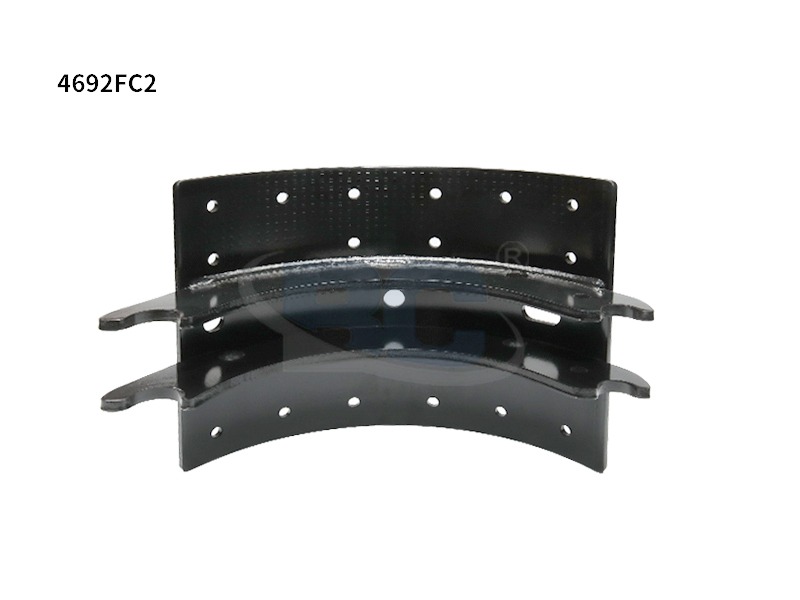
简体中文A 4692FC2 Brake Shoe is a heavy-duty drum brake component built to the FMSI 4692FC2 specification, matched to a 12.25-inch drum diameter and used across Spicer Fast Change II axle systems. Fleets and trailer shops treat it as a known-quantity part number, so getting the fit, material, and lining spec right the first time keeps a rig off the lift longer than it needs to be.
What a 4692FC2 Brake Shoe Actually Does
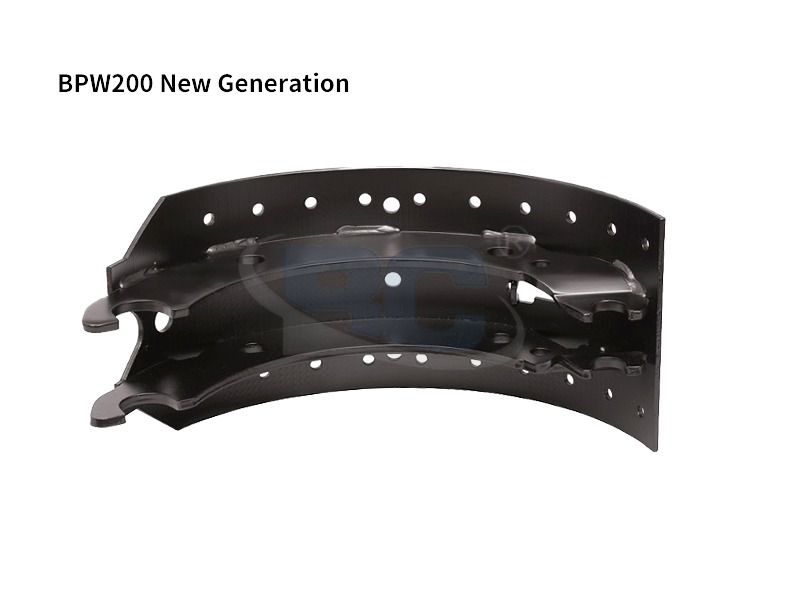
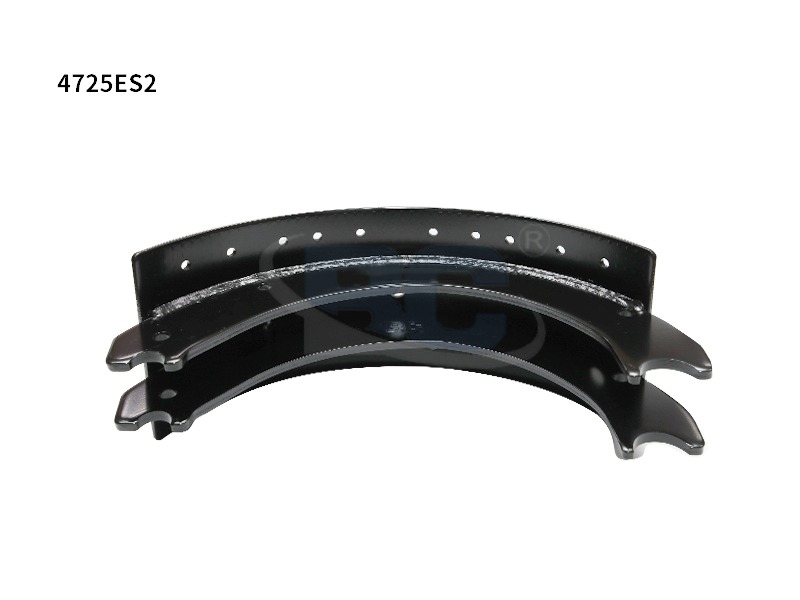
A brake shoe is a curved steel component with friction lining riveted to its outer face. Inside a drum brake, the cam mechanism pushes the shoe outward until the lining presses against the inner wall of the drum, converting mechanical force into the friction that slows the wheel.
A 4692FC2 Brake Shoe is defined by its FMSI number, not its brand name — matching that number is what actually guarantees a correct fit.
Where This Shoe Is Used
The 4692FC2 Brake Shoe is built for axle systems that see heavy, repeated braking cycles rather than light passenger duty.
-
Commercial trailers
Standard fitment on trailer axles running Spicer Fast Change II hardware.
-
Truck axle systems
Used on drive and trailer axles across heavy-duty fleet applications.
-
Vocational vehicles
Specified where frequent stop-and-go braking demands consistent friction.
-
Long-haul transportation equipment
Chosen for its resistance to repeated heat cycling on extended routes.
Construction and Materials
Two components determine how a shoe performs over its service life: the steel frame and the friction lining bonded or riveted to it.
-
Steel shoe frame
Formed for high strength and resistance to deformation under braking load.
-
Friction lining
Engineered for stable friction, heat resistance, and wear resistance in heavy-duty service.
How a 4692FC2 Brake Shoe Is Manufactured
Steel plate forming
The frame is stamped and press-formed into the curved shape required for drum installation.
Machining and surface processing
Mounting points and dimensions are machined for accurate drum contact.
Lining installation
Friction lining is riveted or bonded in place using the correct hole pattern for the 4692FC2 spec.
Quality inspection
Dimensions, rivet positioning, lining thickness, and structural strength are checked before release.
Four Signs a Brake Shoe Needs Replacing
-
Reduced braking performance
Longer stopping distance or a noticeably weaker brake response.
-
Abnormal noise
Squealing, grinding, or vibration coming from the drum during braking.
-
Uneven wear
Irregular lining thickness or inconsistent drum contact across the shoe.
-
Visible damage
Cracked lining or a damaged shoe frame found during inspection.
4692FC2 Brake Shoe vs Disc Brake Pad
4692FC2 Brake Shoe
- Drum brake system
- Contacts inside of the brake drum
- Curved shoe with riveted lining
- Common on heavy trucks and trailers
Disc Brake Pad
- Disc brake system
- Contacts the rotor surface
- Flat friction pad
- Common on passenger and light commercial vehicles
Choosing the Right Replacement
Confirm the FMSI number, brake diameter, and shoe width before ordering. A 4692FC2 Brake Shoe matched to the wrong axle or drum size will not seat correctly, even when the general shape looks similar. Pair that confirmation with a check on lining quality and manufacturing accuracy, since both directly affect stopping distance under load.
Frequently Asked Questions
What does the FMSI number on a brake shoe tell me?
The FMSI number is a standardized identifier that confirms the shoe's dimensions and design are correct for a specific brake system, regardless of brand.
What drum size fits a 4692FC2 Brake Shoe?
The 4692FC2 specification is built for a 12.25-inch brake diameter with a 7.50-inch shoe width.
Is a 4692FC2 Brake Shoe used with disc brakes?
No. It is a drum brake component and is not compatible with disc brake systems, which use flat pads instead.
How often should heavy-duty brake shoes be inspected?
Fleets typically inspect drum brake shoes at regular service intervals, and sooner if noise, vibration, or reduced stopping performance appears.