 English
 简体中文
简体中文 +86-133 7230 7977
 +86-0573-87960600
 sfp@zjbangchi.com
4515Q Lined Brake Shoe
Part Number:4515Q Product Size:16.5"*7"mm Number of rivet holes:32 Product OE nu...

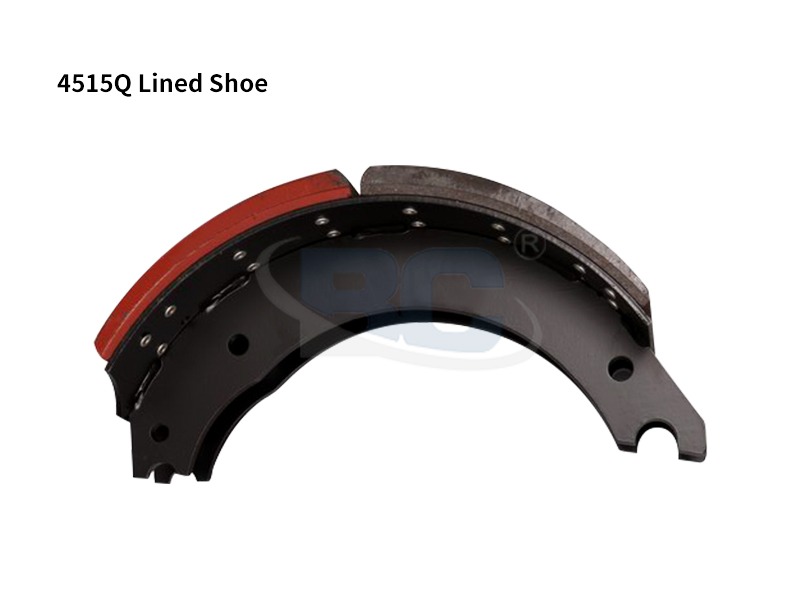
Part Number:4515Q Product Size:16.5"*7"mm Number of rivet holes:32 Product OE nu...
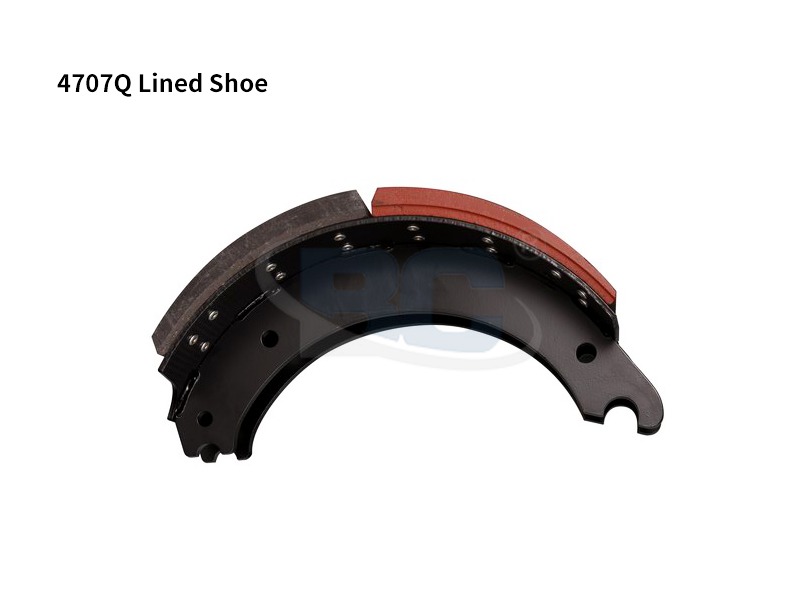
Part Number:4707Q Product Size:16.5"*7"mm Number of rivet holes:32 Product OE nu...
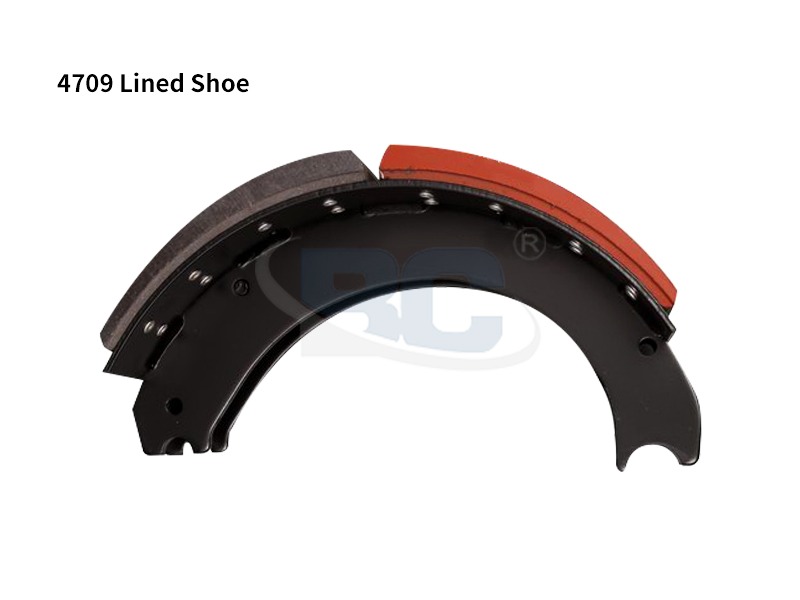
Part Number: Product Size: Number of rivet holes: Product OE number:
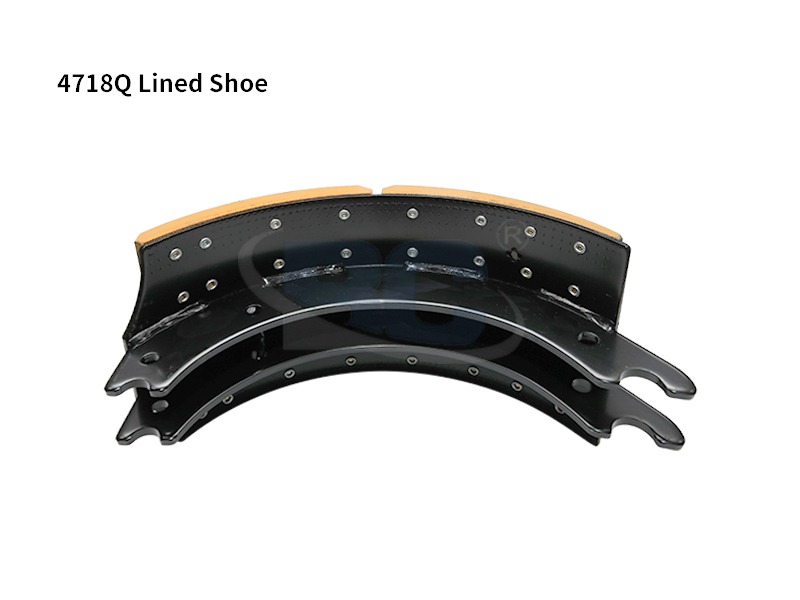
Part Number:4718Q Lined Shoe Product Size:16.5"*8" Number of rivet holes:32 Prod...
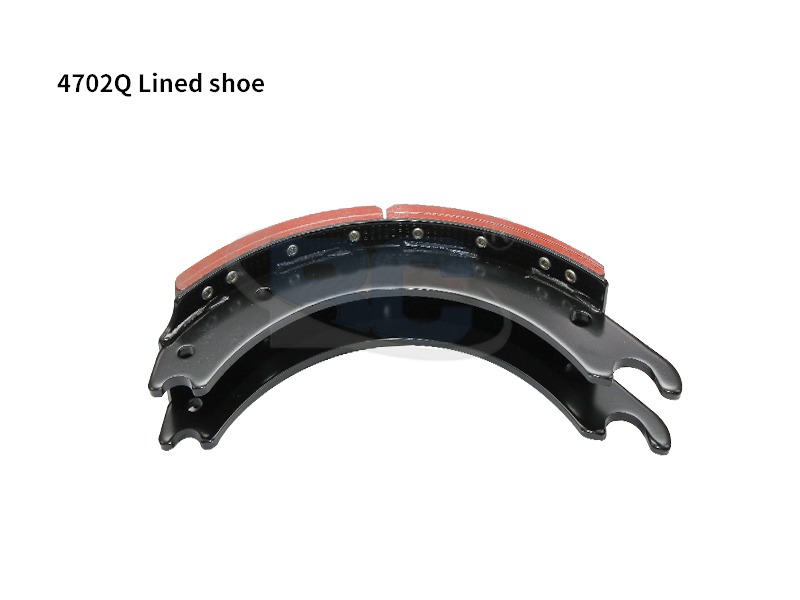
Part Number:4702Q Lined shoe Product Size:15"*4" Number of rivet holes:16 Produc...
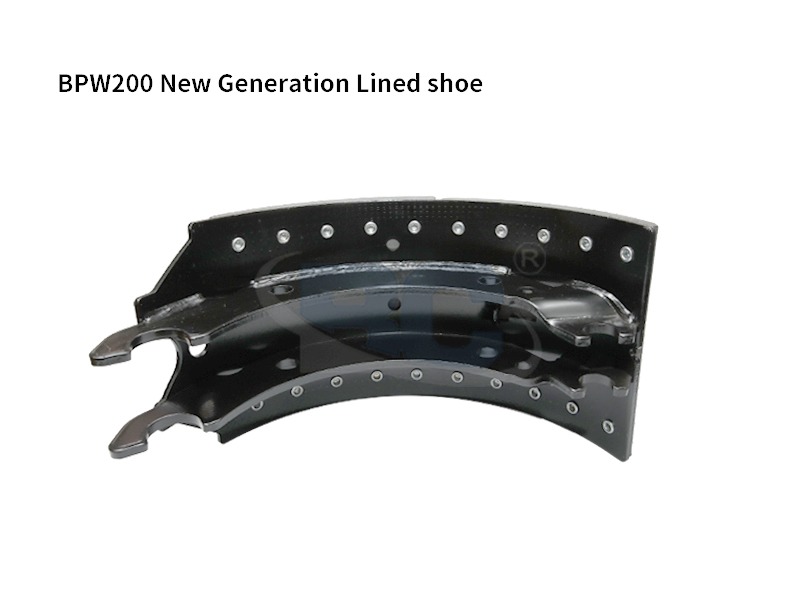
Part Number:BPW200 New Generation Lined shoe Product Size:420*200mm Number of ri...
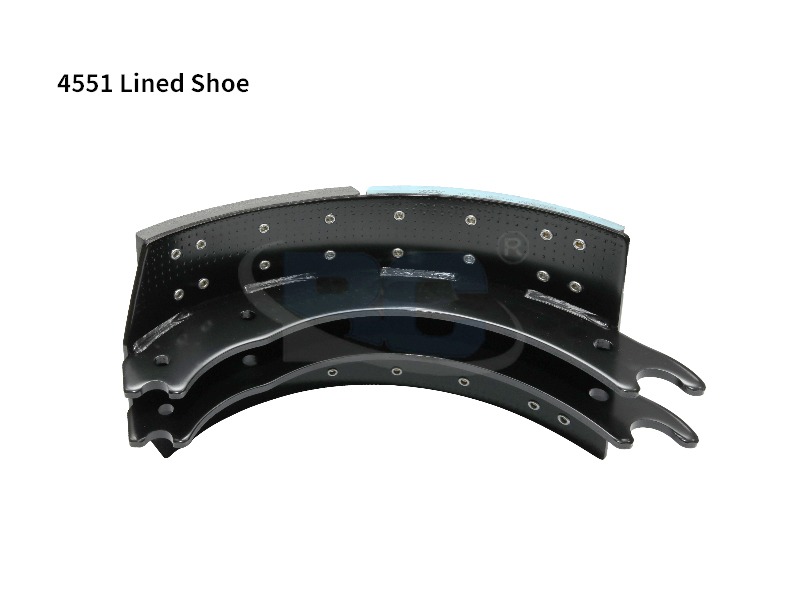
Part Number:4551 Product Size:16.5"*8.625" Number of rivet holes:32 Product OE n...
ZHEJIANG BANGCHI AUTO PARTS CO.,LTD IS AN EXPERT IN AUTO PARTS MANUFACTURING INDUSTRY
ZHEJIANG BANGCHI AUTO PARTS CO.,LTD IS AN EXPERT IN AUTO PARTS MANUFACTURING INDUSTRY
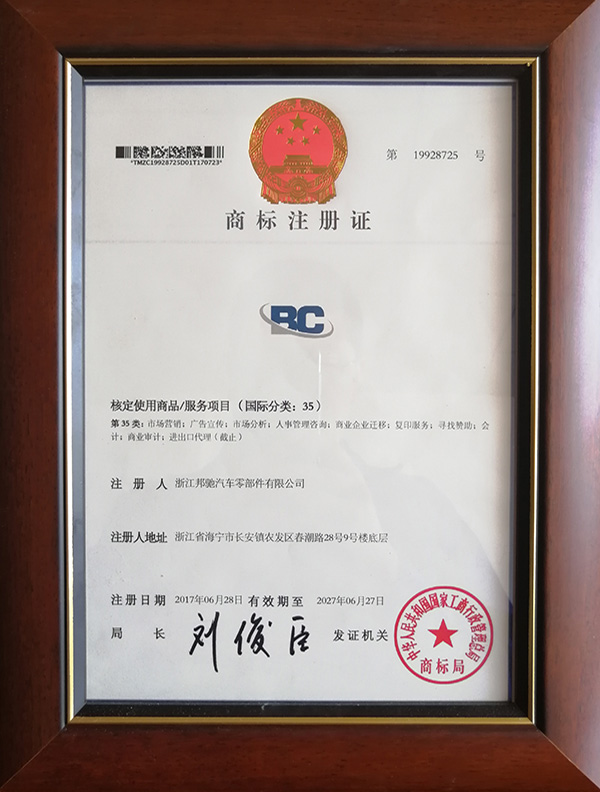
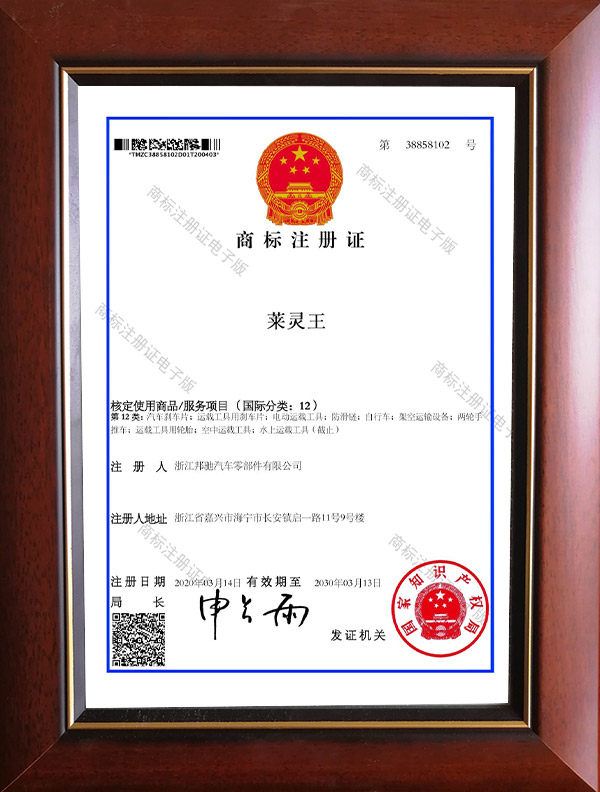
As a Lined Brake Shoe Suppliers, we match product configuration to the application, operating limits, interfaces and acceptance criteria defined for each project.
Zhejiang Bangchi Auto Parts Co., Ltd. is a professional lined brake shoe manufacturer and supplier in China, specializing in heavy-duty commercial vehicle brake shoes and lined shoes. With over 20 years of team experience, we supply OEM and aftermarket lined brake shoes that meet FMSI part numbering and IATF 16949 quality standards.
We manufacture lined brake shoes for a wide range of heavy-duty trucks, trailers, and buses. Our product line includes popular FMSI numbers such as 4515Q, 4707Q, 4709, 4718Q, 4702Q, BPW200, and 4551. Each lined shoe is available with riveted or bonded linings, and we support custom configurations based on your drawings or samples.
| Part Number | Size | Rivet Holes | Typical Application |
|---|---|---|---|
| 4515Q | 16.5" x 7" | 32 | Meritor / Rockwell axles |
| 4707Q | 16.5" x 7" | 32 | Meritor / Rockwell axles |
| 4709 | Custom | Custom | OEM replacement |
| 4718Q | 16.5" x 8" | 32 | Heavy-duty drive axles |
| 4702Q | 15" x 4" | 16 | Steering axles |
| BPW200 | 420 x 200 mm | Custom | BPW trailer axles |
| 4551 | 16.5" x 8.625" | 32 | High-capacity trailers |
We also supply steel brake shoes and casted brake shoes for customers who prefer to bond or rivet linings in their own facility. Our brake linings are available separately, and we offer lined brake shoe kits for complete axle service.
Lined brake shoes are the core friction assembly in drum brakes. Our lined shoes are designed for commercial vehicles including Class 6-8 trucks, trailers, and buses. We match the shoe profile, lining arc, and rivet pattern to the original brake system to ensure proper contact and even wear.
Our factory operates under the IATF 16949 quality management system. We implement strict process control from incoming material inspection to final dimensional checks. Every lined brake shoe is verified for lining thickness, arc radius, and rivet tension before packaging.
We also follow industry standards for minimum lining thickness, such as FMVSS 121 and ECE R13, to help fleets maintain safety and pass roadside inspections. Our quality team performs destructive testing on wear indicators each shift to confirm that when the slot disappears, the remaining lining is at the declared minimum thickness.
We have a dedicated R&D team that can develop lined brake shoes according to your drawings or samples. Whether you need a specific lining compound, a unique rivet pattern, or custom packaging, we can accommodate your requirements.
Our engineering team works closely with you to confirm critical dimensions such as shoe width, lining thickness, and hole spacing. We also provide technical documentation, including material data sheets and installation instructions, with every order.
To prepare an accurate quotation and sample, please provide the following information:
With this data, we can confirm the correct lining arc, rivet configuration, and quality tests required for your application.
A: We accept orders from small pilot runs to full container loads. For standard FMSI numbers, we can often supply samples first. For custom designs, we typically require a minimum quantity to cover tooling and setup costs.
A: Yes. We offer several lining grades with different friction coefficients and temperature ratings. If you provide the original lining part number or vehicle application, we can recommend the closest match and provide test data.
A: Each production batch is inspected using calibrated gauges for shoe width, lining thickness, and arc profile. We also perform 100% rivet tension checks on riveted shoes. Our quality system is IATF 16949 certified.
A: Molded wear slots are standard on all our lined brake shoes. Optional sensor wiring for electronic wear monitoring is available on request for specific applications.
A: For standard parts, lead time is typically 30-45 days after order confirmation. Custom orders may require additional time for tooling and sampling. We will provide a confirmed schedule in our quotation.

QR
Copyright © Zhejiang Bangchi Auto Parts Co., Ltd. All Rights Reserved
Wholesale Lined Brake Shoe Suppliers
