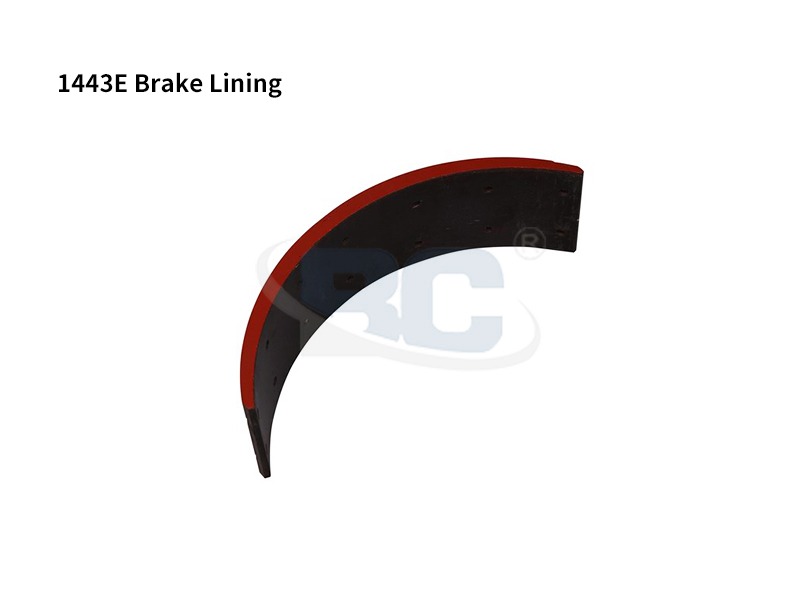
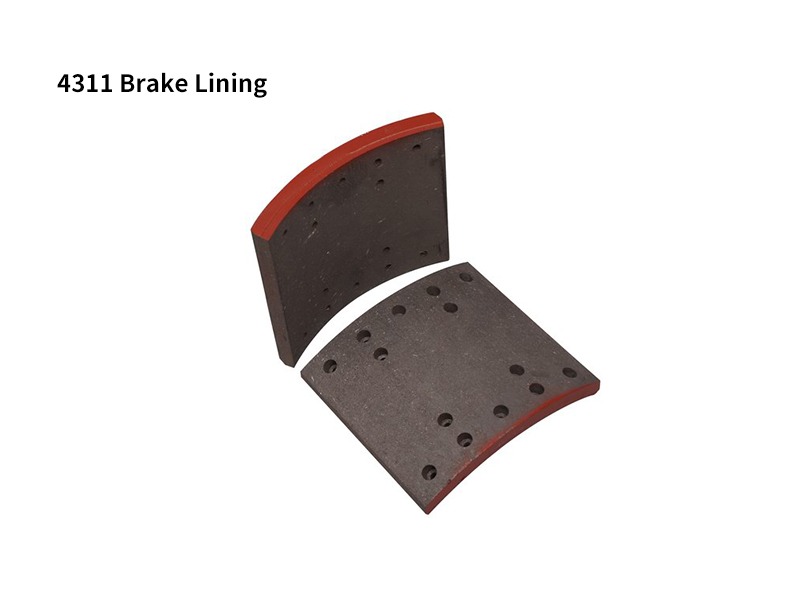
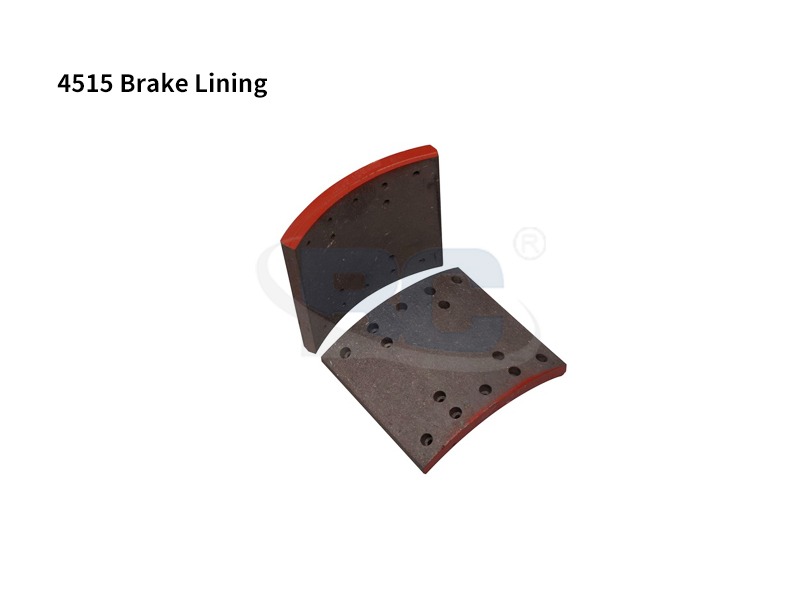
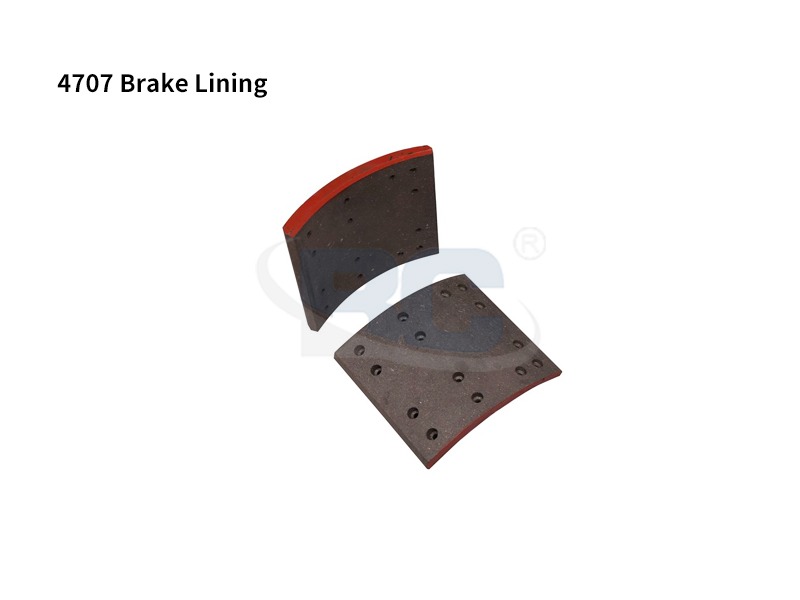
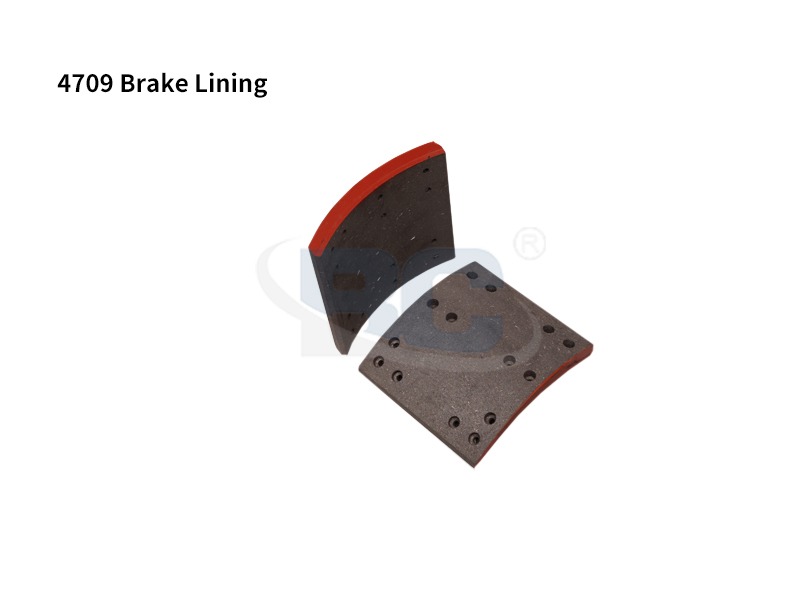
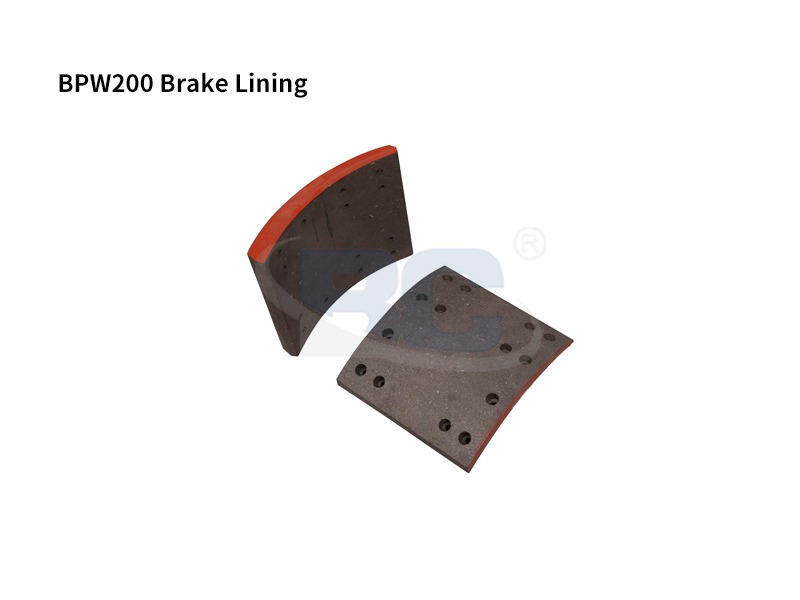
Wholesale Truck Brake Linings

Home / Products / Brake Lining

ALL products

Brake Shoe Lining Suppliers

about Zhejiang Bangchi

ZHEJIANG BANGCHI AUTO PARTS CO.,LTD IS AN EXPERT IN AUTO PARTS MANUFACTURING INDUSTRY
Zhejiang Bangchi Auto Parts Co., Ltd. is a China Brake Shoe Lining Suppliers and Wholesale Truck Brake Linings Factory, with more than 20 years of experience in the brake products industry. We can improve our product quality constantly by strict management and under the rules of the IATF 16949 quality system and the FMSI part number system. The goal of the FMSI standard is to provide performance data for aftermarket brake parts based on the approved Friction Materials Standards Institute specifications. It is important for your aftermarket products to also follow the same quality standards as your OEM products. For instance, all friction material components must be designed to comply with the same part numbering system. Our customers can rest assured that purchasing your products and installing them will be uniform and consistent. With an annual capacity of over 3 million pcs of brake shoes, we also offer steel brake shoes.

honor certificate

ZHEJIANG BANGCHI AUTO PARTS CO.,LTD IS AN EXPERT IN AUTO PARTS MANUFACTURING INDUSTRY
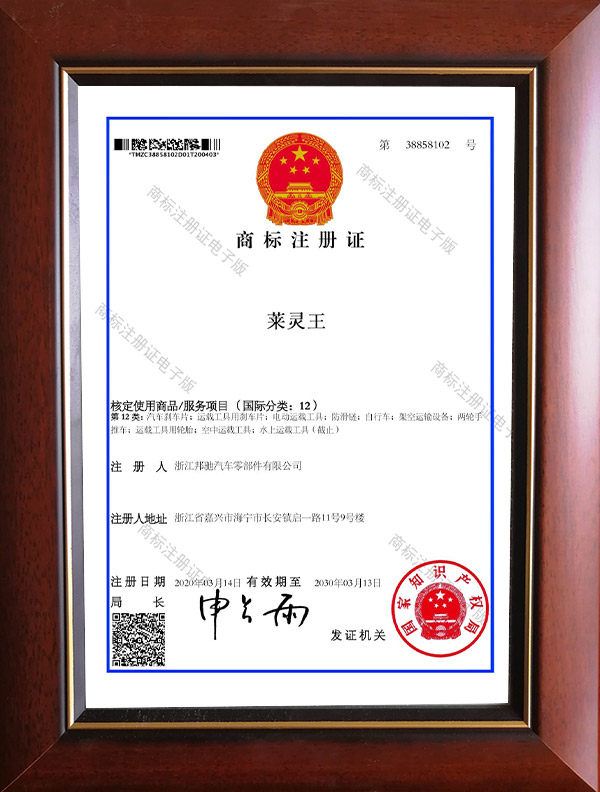
  • Honour
  • Honour

News Center

  • 4591PQ Brake Shoe: Uses, Wear Signs & Replacement Guide

  • How to Choose 4705Q Brake Shoes: Compatibility, Durability, and Performance Considerations

  • 4726ES2 Brake Shoe: Specifications, Vehicle Compatibility, Replacement Signs, and Service Life

  • 4719ES2 Brake Shoe: Technical Specifications and Fleet Benefits

Brake Lining Industry Knowledge

Why Coefficient of Friction Stability of Brake Shoe Lining Matters More Than Peak Friction Value for Consistent Braking in Heavy-Duty Vehicles

In heavy-duty vehicle braking systems, the brake shoe lining is the critical interface that converts kinetic energy into heat. While many focus on peak friction values, experienced engineers understand that friction stability—the ability to maintain consistent friction across temperature, pressure, and speed variations—is far more important for safety and predictability. Zhejiang Bangchi Auto Parts Co., Ltd., founded in spring 2016, brings over 20 years of team expertise in brake products. As a specialist in R&D, manufacturing, and sales of heavy duty brake shoes & lined shoes, Bangchi operates a production line with a capacity of 2 million brake shoes and exceeds an annual turnover of 100 million RMB. Under strict IATF 16949 quality management, Bangchi engineers their brake shoe lining to prioritize stability over peak values.

1. The Danger of Peak Friction Values That Fade Rapidly

  • Initial peak friction (µ = 0.55–0.65) may look impressive on spec sheets, but if friction drops to µ = 0.25–0.30 after repeated braking (fade condition), stopping distances double or triple.
  • Fade occurs when organic binders in the lining degrade above 250°C–350°C, causing a sharp friction reduction regardless of initial peak performance.
  • Result: A lining with µ_peak = 0.60 but µ_hot = 0.28 is far less safe than one with µ_avg = 0.42 and µ_hot = 0.38.

2. Stability Ensures Predictable Braking Across Real-World Conditions

  • Heavy-duty vehicles encounter wide temperature ranges (ambient -30°C to drum 500°C), varying speeds, and different brake application pressures.
  • Stable friction (variation ±0.05 from nominal) allows drivers and electronic braking systems (EBS) to apply consistent pedal force for expected deceleration.
  • Unstable friction (variation ±0.15 or more) causes brake grab, pull, or sudden loss of retardation—dangerous in fully loaded trucks descending mountain grades.

3. Regulatory and OEM Requirements Prioritize Friction Stability

  • FMVSS 121 (USA) and ECE R13 (Europe) require linings to demonstrate fade and recovery performance, not just initial friction.
  • OEM specifications (e.g., Daimler, Volvo) mandate friction coefficient variation within ±0.07 across multiple test cycles (SAE J661 or ISO 26867).
  • Bangchi's IATF 16949 quality system ensures every production batch meets these stability requirements before shipment.

Parameter Comparison: Friction Stability vs. Peak Friction Value

Parameter Stability-Optimized Lining (Bangchi Standard) Peak-Optimized Lining (Unstable)
Nominal Coefficient of Friction (µ) 0.42 – 0.45 0.55 – 0.60 (cold)
Friction at 350°C (hot) 0.38 – 0.42 (∆ ≤ 0.07) 0.25 – 0.32 (∆ up to 0.30)
Friction Variation (µ_max – µ_min) ≤ 0.07 ≥ 0.20
Stopping Distance Consistency (10 stops, loaded) ±3% variation ±15% – 25% variation
Fade Resistance (SAE J661, 2nd fade cycle) > 85% of nominal µ < 60% of nominal µ
Recovery After Fade (cooled to 200°C) ≥ 95% of nominal µ 70% – 80% of nominal µ
Driver Perception Predictable, linear pedal feel Spongy then grabby, unpredictable
Suitability for EBS/ADAS Integration Excellent (stable feedback) Poor (inconsistent deceleration)

Why Stable Friction Directly Improves Heavy-Duty Safety

  • Long downhill grades: Stable linings maintain retardation without requiring excessive pedal pumping or gear downshifting.
  • Wet/cold conditions: Low-friction recovery is faster with stable formulations, reducing the "first-brake" hesitation.
  • Fleet maintenance intervals: Stable friction reduces uneven drum wear and prevents premature lining replacement due to unpredictable behavior.
  • Compatibility with automatic slack adjusters: Consistent friction allows slack adjusters to maintain proper stroke without over-compensating.

Zhejiang Bangchi Auto Parts Co., Ltd. has established strategic cooperation with many well-known domestic and overseas manufacturers and OEM customers precisely because of their focus on friction stability. The management team of over 20 people ensures that every brake shoe lining leaving their 2-million-unit annual capacity production line meets rigorous stability benchmarks under IATF 16949 rules. Bangchi's 20+ years of brake product experience confirms: consistent friction saves lives and reduces operating costs far more than impressive but fleeting peak numbers.

FAQs

  • Q1: How does Zhejiang Bangchi Auto Parts Co., Ltd. test and verify friction stability for their brake shoe linings?
    A: Zhejiang Bangchi Auto Parts Co., Ltd. utilizes inertia dynamometer testing following SAE J661 and ISO 26867 protocols. Each batch of brake shoe lining undergoes: (1) baseline friction measurement (cold), (2) three fade cycles with drum temperature up to 400°C, (3) recovery measurement, and (4) wear evaluation. Bangchi requires friction variation ≤ 0.07 across all cycles—a standard stricter than many aftermarket suppliers. Under IATF 16949, these results are documented and traceable per production lot.
  • Q2: Can a brake shoe lining with high peak friction but poor stability still be safe for occasional heavy-duty use?
    A: Zhejiang Bangchi Auto Parts Co., Ltd. strongly advises against it. Even occasional heavy braking (e.g., emergency stops, mountain descents) pushes lining temperatures beyond 300°C, where unstable linings experience sudden friction drop. This "fade" can double stopping distances precisely when maximum retardation is needed. Bangchi's 20+ years of field data show that stable friction linings prevent accidents even if their peak values seem "modest" on spec sheets. For safety, always prioritize stability over peak numbers.
  • Q3: What specific friction stability level should fleet managers specify when ordering brake shoe linings from suppliers like Bangchi?
    A: Zhejiang Bangchi Auto Parts Co., Ltd. recommends specifying: “Coefficient of friction (µ) shall remain within 0.38–0.48 across temperature range 100°C–400°C with total variation ≤ 0.08 when tested per SAE J661.” Bangchi's standard brake shoe lining exceeds this requirement, typically maintaining µ = 0.42–0.45 hot with variation ≤ 0.06. Fleet managers should request test certificates for each batch. Bangchi's management team of over 20 people ensures full documentation compliance with OEM customer expectations.

Why Compressibility and Thermal Expansion Coefficient of Truck Brake Linings Are Critical for Maintaining Proper Brake Chamber Stroke and Avoiding Drag

In heavy-duty truck air brake systems, the relationship between truck brake linings, brake chamber stroke, and drag is governed by two often-overlooked material properties: compressibility (elastic deformation under pressure) and thermal expansion coefficient (dimensional change with temperature). When these properties are not properly controlled, brake stroke becomes inconsistent, leading to dangerous drag conditions. Zhejiang Bangchi Auto Parts Co., Ltd., founded in spring 2016, brings over 20 years of team expertise in brake products. As a specialist in R&D, manufacturing, and sales of heavy duty brake shoes & lined shoes, Bangchi operates a production line with a capacity of 2 million brake shoes and exceeds an annual turnover of 100 million RMB. Under strict IATF 16949 quality management, Bangchi engineers every truck brake lining to optimize these critical properties.

1. Compressibility: The Hidden Variable in Brake Stroke

  • What is compressibility? When brake chamber pushrod force (typically 500–1,200 lbf) applies pressure to the brake shoe, the brake lining compresses elastically—typically 0.2–0.5mm for quality linings. Excessive compressibility (1.0mm+) directly adds to required chamber stroke.
  • Stroke impact: Every 0.5mm of additional lining compression consumes 0.5mm of available brake chamber stroke. With normal operating stroke of 40–60mm, excessive compressibility can push stroke beyond the FMVSS 121 maximum (65mm for standard chambers).
  • Drag creation: If the system is adjusted to compensate for high compressibility when cold, the lining may not fully retract when hot, maintaining residual contact and causing drag.

2. Thermal Expansion Coefficient: Why Hot Linings Cause Drag

  • How expansion works: Truck brake linings typically have linear thermal expansion coefficients of 15–40 × 10⁻⁶ /°C. A 100mm-long lining segment heated from 20°C to 350°C expands by 0.5–1.5mm.
  • Drag mechanism: If the brake system is adjusted cold (tight clearance = 0.5mm), thermal expansion alone can close the gap completely when hot, causing continuous shoe-to-drum contact—defined as brake drag.
  • Fuel and wear consequences: Dragging brakes increase fuel consumption by 5–15%, raise drum temperatures to 400°C+, and accelerate lining wear by 3–5× normal rates.

3. Combined Effect: Stroke Consumption + Thermal Expansion = Safety Risk

  • Cold stroke measurement: A lining with high compressibility (0.8mm) consumes more stroke from the start.
  • Hot condition: Thermal expansion adds another 0.5–1.0mm of effective lining thickness, which must be accommodated by chamber stroke.
  • Result: Available stroke margin disappears, leading to either out-of-adjustment conditions (reduced braking force) or persistent drag (overheated brakes and increased stopping distance).

Parameter Comparison: Optimal vs. Poor Compressibility & Thermal Expansion

Property / Parameter Optimal Range (Bangchi Standard) Problematic Range (Poor Quality)
Compressibility (at 7 MPa pressure, 25°C) 0.20 – 0.40 mm 0.70 – 1.20 mm
Thermal Expansion Coefficient (×10⁻⁶ /°C) 18 – 25 35 – 50
Total Lining Growth (100mm length, 20°C→350°C) 0.6 – 0.9 mm 1.2 – 2.0 mm
Required Chamber Stroke (cold, adjusted to 0.5mm clearance) 38 – 42 mm 48 – 58 mm
Required Chamber Stroke (hot, at 350°C drum) 42 – 46 mm 55 – 68 mm (exceeds legal limit)
Risk of Brake Drag (residual contact when hot) Low (< 2% of operation) High (15–30% of operation)
Fuel Economy Impact (due to drag) None (0% penalty) 5% – 15% reduction
Lining Wear Rate (relative to optimal) Baseline (1.0×) 2.5× – 4.0× (from overheating)

How Bangchi Controls These Critical Properties

  • Formulation engineering: Bangchi's 20+ years of experience enables precise balancing of resin content and filler materials to achieve compressibility in the 0.20–0.40mm range.
  • Thermal optimization: Through controlled post-curing processes, Bangchi reduces thermal expansion coefficients to ≤25 × 10⁻⁶ /°C.
  • Quality verification: Every batch of truck brake lining is tested on compression fixtures and thermal expansion measurement systems per IATF 16949 requirements.
  • Real-world validation: Strategic cooperation with OEM customers includes stroke measurement during hot dyno testing to confirm drag-free performance.

Zhejiang Bangchi Auto Parts Co., Ltd. has established a management team of over 20 people and a production line capacity of 2 million brake shoes annually, ensuring that every truck brake lining delivers the precise compressibility and thermal expansion characteristics needed for proper brake chamber stroke and drag-free operation. With a reputation earned through years of cooperation with well-known domestic and overseas manufacturers, Bangchi proves that controlling these "hidden" properties is essential for fleet safety and efficiency.

FAQs

  • Q1: How does Zhejiang Bangchi Auto Parts Co., Ltd. measure compressibility in truck brake linings during production?
    A: Zhejiang Bangchi Auto Parts Co., Ltd. uses a precision compression tester compliant with ISO 6311 standards. A 25mm diameter core sample of the truck brake lining is subjected to 7 MPa pressure (typical brake actuation stress) while displacement is measured to 0.01mm accuracy. Bangchi requires compressibility between 0.20–0.40mm for all heavy-duty linings. Under IATF 16949, each production shift performs 3 compressibility checks, and results are tracked in SPC charts to ensure Cpk ≥ 1.33.
  • Q2: Can a truck brake lining with high thermal expansion be used safely if brake adjustment is set looser?
    A: Zhejiang Bangchi Auto Parts Co., Ltd. advises against this workaround. While looser cold adjustment (e.g., 1.0mm vs. 0.5mm clearance) may accommodate thermal expansion, it creates two problems: (1) excessive pedal travel and longer stroke during cold operation, and (2) risk of the automatic slack adjuster over-compensating. The correct solution is using a low-expansion lining like Bangchi's (18–25 × 10⁻⁶ /°C), not compromising brake adjustment. Bangchi's 20+ years of data show that high-expansion linings always increase drag risk regardless of cold adjustment.
  • Q3: What stroke-related maintenance issues should fleet managers expect if truck brake linings have excessive compressibility?
    A: Zhejiang Bangchi Auto Parts Co., Ltd. has documented three common issues with high-compressibility linings (≥0.7mm): (1) Frequent manual adjustments needed every 5,000–10,000 km instead of the normal 25,000–50,000 km, (2) False stroke readings where pushrod stroke exceeds legal limits even with adequate lining thickness, leading to roadside violations, and (3) Slack adjuster ratcheting wear because the adjuster attempts to compensate for compressibility-related stroke loss. Switching to Bangchi's truck brake linings with 0.20–0.40mm compressibility eliminates these issues while extending chamber and slack adjuster life by up to 50%.