 English
 简体中文
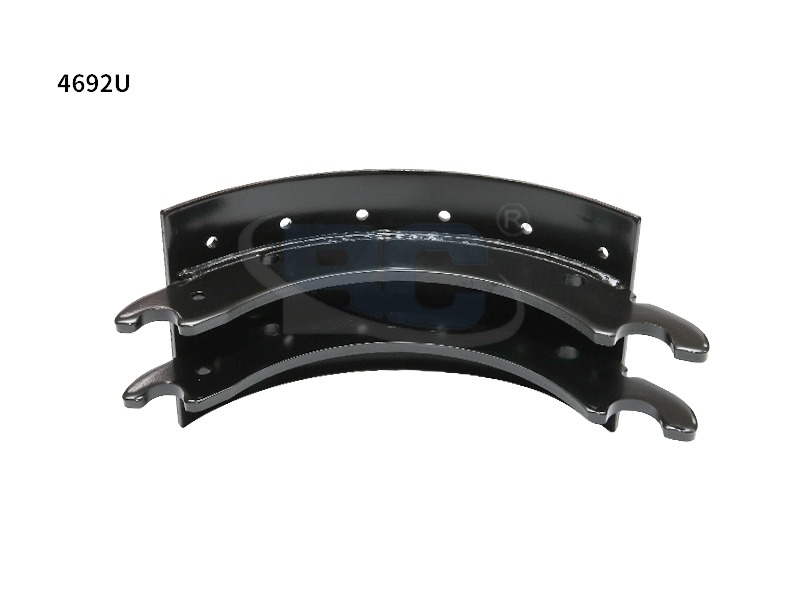
简体中文A drum brake system depends on a curved friction part pressing outward against a spinning drum to slow a wheel down. The 4692U brake shoe is that part, sized and shaped to fit a specific family of drum brake assemblies used across commercial trucks, trailers, and buses.
A brake shoe is a wear part by design. It is meant to be replaced on a schedule, not repaired indefinitely, since its friction lining is consumed every time the brake is applied.
1What is a 4692U brake shoe and how does it work in drum brake systems?
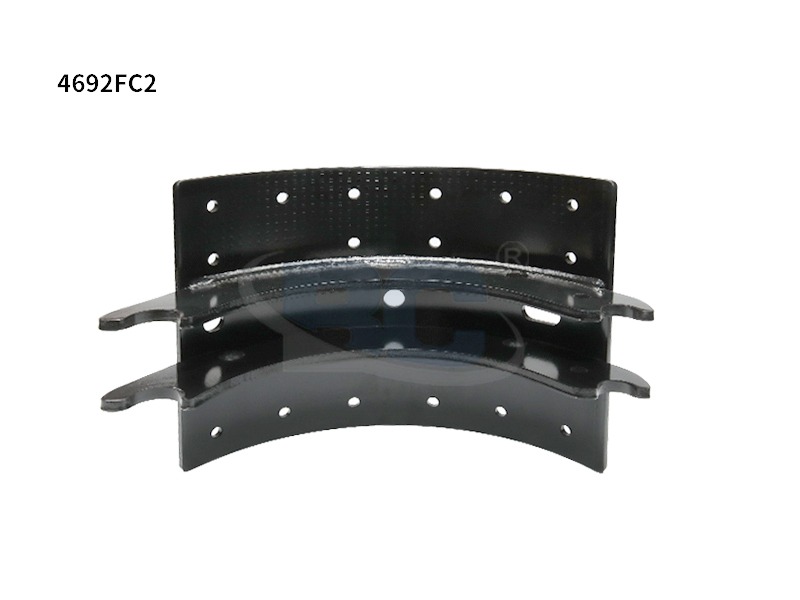
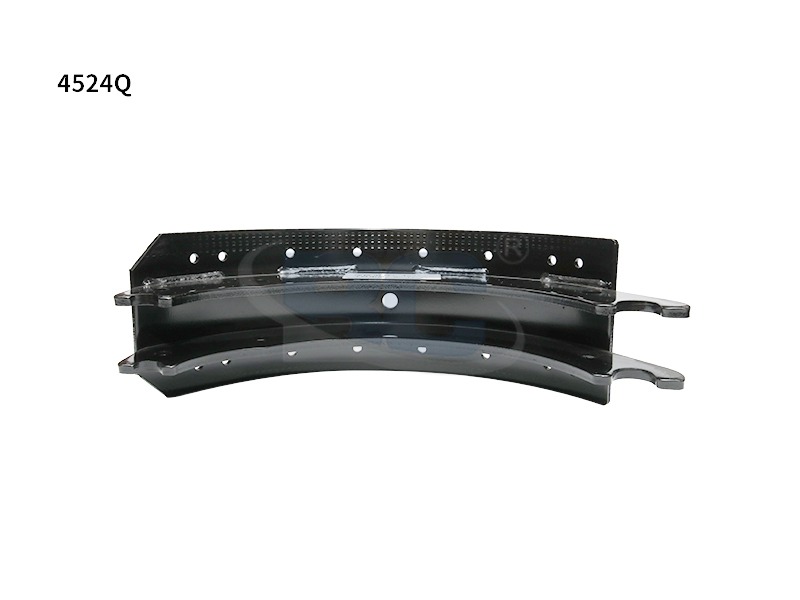
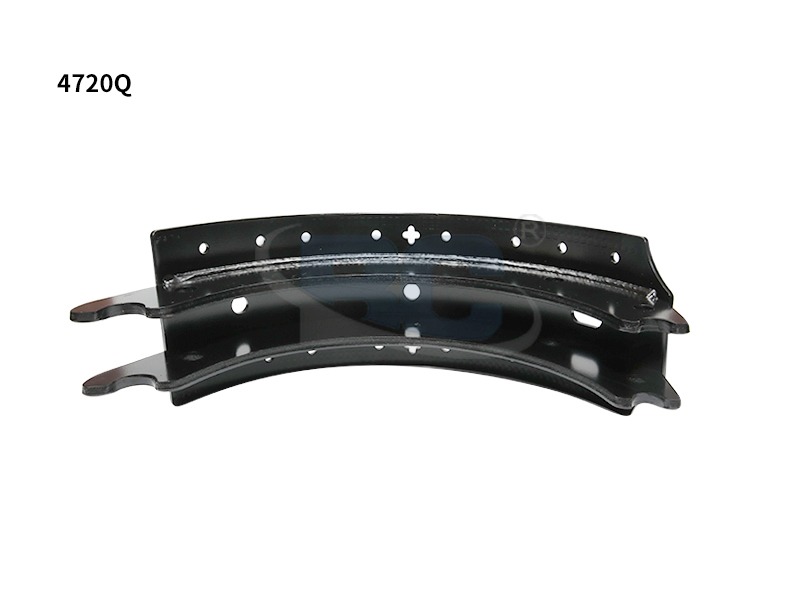
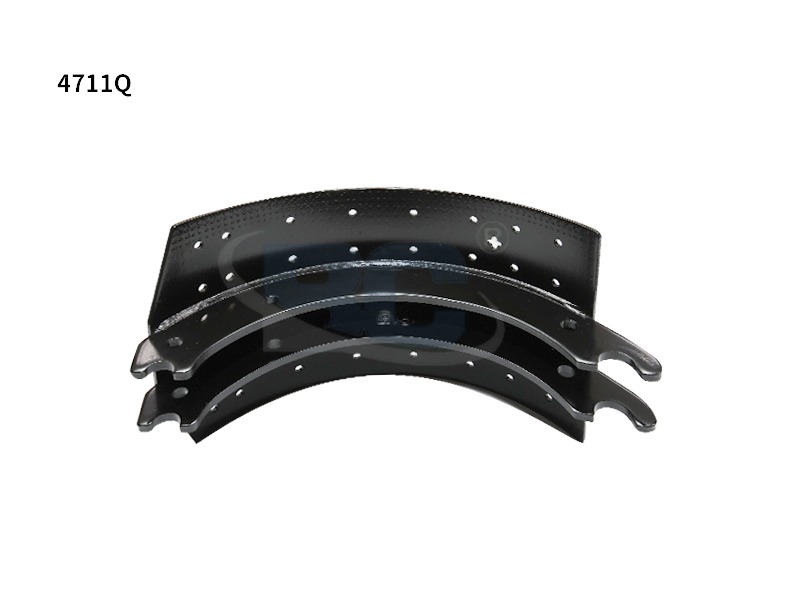
A brake shoe drum brake component consists of a curved steel frame with a friction lining attached along its outer edge. As an automotive braking friction part, its job is straightforward: when the brake pedal is pressed, hydraulic or air pressure pushes the shoes outward so the lining contacts the inside of the spinning brake drum, creating the friction that slows the wheel.
A 4692U brake shoe definition refers specifically to a standardized shoe size and shape built to fit a particular drum diameter and wheel brake assembly system across certain heavy vehicle models. Drum brake lining function depends entirely on this fit, since a shoe that does not match the drum's curvature and diameter cannot make even, effective contact across its full friction surface.
2What are the main types of brake shoes used in vehicles?
Brake shoes differ mainly in how the friction lining is attached and what material it is made from. A bonded brake shoe lining uses adhesive to attach the friction material directly to the steel frame, allowing the full lining thickness to be used before replacement. A riveted brake shoe assembly instead uses metal rivets to hold the lining in place, a design that has historically allowed easier lining replacement on the same frame. A heavy duty truck brake shoe is built with a thicker frame and lining to handle the higher braking loads seen in commercial vehicles. A semi metallic brake shoe material blends metal fibers into the friction compound for added heat handling. An OEM replacement brake shoe is manufactured to match the exact specifications of the original part it is replacing, including shoe curvature and mounting points.
| Shoe Type | Lining Attachment | Typical Use |
| Bonded lining | Adhesive-bonded to frame | Full lining thickness usable |
| Riveted assembly | Mechanically riveted | Traditional replacement approach |
| Heavy duty truck shoe | Reinforced frame and lining | Commercial vehicle brake loads |
| Semi metallic material | Metal fiber blended lining | Higher heat handling needs |
| OEM replacement shoe | Matches original specification | Direct fit replacement |
3Where are 4692U brake shoes commonly used?
This shoe size is associated with drum brake assemblies found across a specific range of heavier vehicle platforms. Commercial trucks braking systems are among the most common application, where drum brakes remain standard on many axle positions. Heavy duty trailers brake systems rely on matched brake shoes across multiple axles to maintain even braking performance under load. Buses drum brake assemblies also use compatible shoe sizes given the weight and stop-and-go demands of passenger transport routes. Industrial transport vehicles operating off standard road networks often retain drum brake systems for their simpler maintenance profile. Fleet maintenance brake components, including shoes like this one, are typically stocked in volume by fleet operators who need to replace them on a predictable service schedule.
4What performance features should a 4692U brake shoe provide?
A dependable brake shoe is judged on how consistently it performs across repeated stops under varying load conditions. A high friction coefficient lining needs to generate strong, predictable stopping force without requiring excessive pedal or pressure input. Heat resistant brake material matters because repeated braking generates significant heat at the friction surface, and a lining that degrades under heat loses stopping power exactly when it is needed most. Stable braking performance means the shoe behaves consistently whether the drum is cold at the start of a trip or already warmed from earlier stops. A wear resistant friction surface extends the interval between replacements under normal duty cycles. Low noise braking operation reflects a lining and frame combination that does not generate excessive vibration or squeal against the drum.
- 1
Friction coefficient
Consistent, predictable stopping force
- 2
Heat resistance
Stable lining performance under repeated braking heat
- 3
Braking stability
Consistent behavior across cold and warm drum conditions
- 4
Wear resistance
Extended service interval under normal duty cycles
- 5
Noise control
Reduced vibration and squeal against the drum
5How are brake shoes manufactured?
Producing a brake shoe combines metal forming with friction material processing. Steel backing plate stamping shapes the curved frame that will carry the friction lining and mount to the brake assembly. Friction lining bonding process attaches the friction compound to that frame, whether through adhesive bonding or mechanical riveting depending on the shoe design. Heat curing brake pad material follows, hardening the friction compound so it holds its shape and performance characteristics once installed. Machining brake shoe curvature refines the lining surface so it matches the drum's interior radius precisely, which is critical for even contact. Quality testing braking components closes the process, checking dimensional accuracy and lining attachment strength before the finished shoe is approved for distribution.
6How do brake shoes compare with disc brake pads?
A drum brake vs disc brake system comparison starts with the basic mechanism: shoes press outward against a drum, while pads clamp inward against a rotor. A brake shoe vs brake pad comparison also involves how each part wears, with shoes typically offering a longer service interval under lighter duty cycles. Maintenance differences braking systems reflect this too, since drum brake service often involves more disassembly than a disc brake pad swap. Heat dissipation performance comparison generally favors disc systems, since an open rotor sheds heat more readily than an enclosed drum. Cost efficiency braking components tends to favor drum systems on a parts-cost basis, which is part of why they remain common on heavier commercial platforms.
Drum Brake Shoe
- Enclosed system, less exposed to road debris
- Often lower parts cost per axle
- Heat retained within the drum housing
Disc Brake Pad
- Open rotor design, easier heat dissipation
- Generally simpler pad-only replacement
- More exposed to direct road contamination
7What are common problems or limitations of brake shoes?
Brake shoes face a known set of wear and failure patterns over their service life. Uneven wear brake lining can develop when the shoe does not contact the drum evenly across its full surface, often tied to drum or hardware issues. Brake fade overheating issue occurs when repeated heavy braking generates more heat than the lining can handle, temporarily reducing stopping power. Contamination oil brake surface is a serious concern, since any oil or grease reaching the friction surface sharply reduces its grip on the drum. Drum misalignment issues can cause a shoe to wear unevenly even when the shoe itself is in good condition. Replacement frequency wear parts is simply a fact of brake shoe ownership, since the friction lining is designed to wear away gradually with every stop.
8What is the future trend of brake system technology?
Electronic braking systems are increasingly layered on top of traditional friction components, coordinating brake force electronically across axles. Regenerative braking EV systems are changing how braking force is applied in electric vehicles, using the drive motor to slow the vehicle before friction components engage. Lightweight friction materials continue to be developed to reduce unsprung weight without sacrificing stopping performance. Smart brake monitoring sensors are being added to some commercial fleets to track lining wear remotely rather than relying solely on scheduled physical inspection. Low emission vehicle braking design is also shaping material choices, as manufacturers look for friction compounds that shed less particulate matter during normal use.
Even as electronic and regenerative systems expand, friction-based brake shoes remain the mechanical backup that every braking system still relies on.
FAQ
What is a 4692U brake shoe?
It is a standardized drum brake shoe sized and shaped to fit a specific family of heavy vehicle drum brake assemblies.
How do brake shoes work?
They press outward against the inside of a spinning brake drum, using friction between the lining and drum surface to slow the wheel.
How long do brake shoes last?
Service life depends on vehicle load, driving conditions, and duty cycle, with the friction lining wearing down gradually with each brake application.
What are signs of worn brake shoes?
Reduced stopping force, unusual noise during braking, and uneven wear patterns on the lining are common signs it may be time for replacement.
Brake shoe vs brake pad, what is the difference?
A brake shoe presses outward against a drum in a drum brake system, while a brake pad clamps inward against a rotor in a disc brake system.
Can brake shoes be repaired?
Some riveted designs allow the lining to be replaced on the original frame, but bonded shoes are generally replaced as a complete unit once worn.