 English
 简体中文
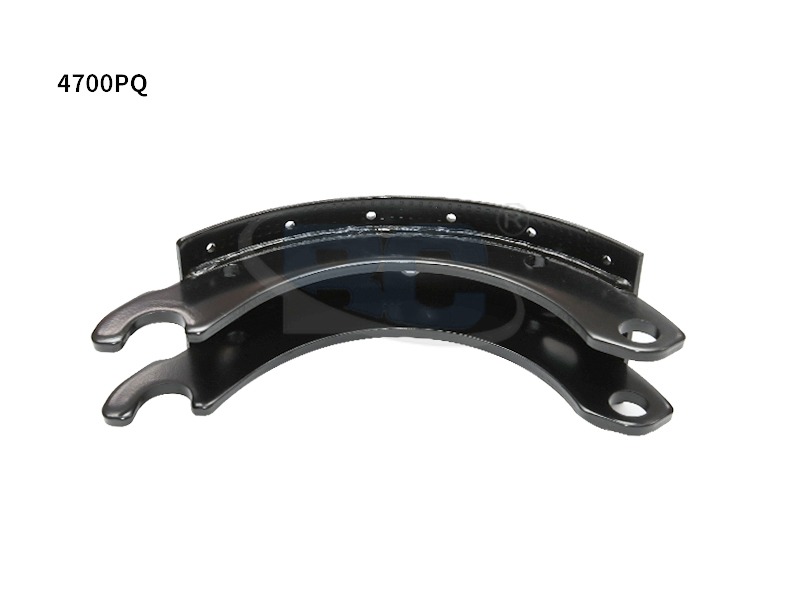
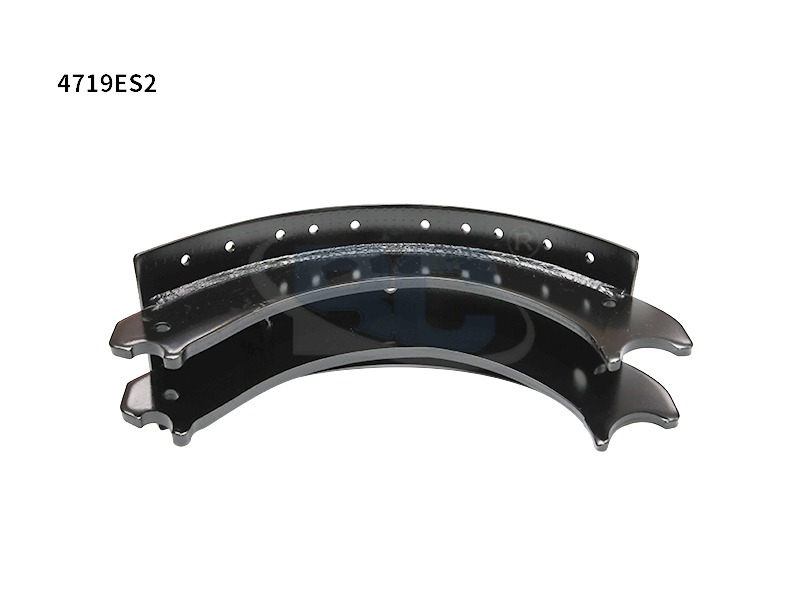
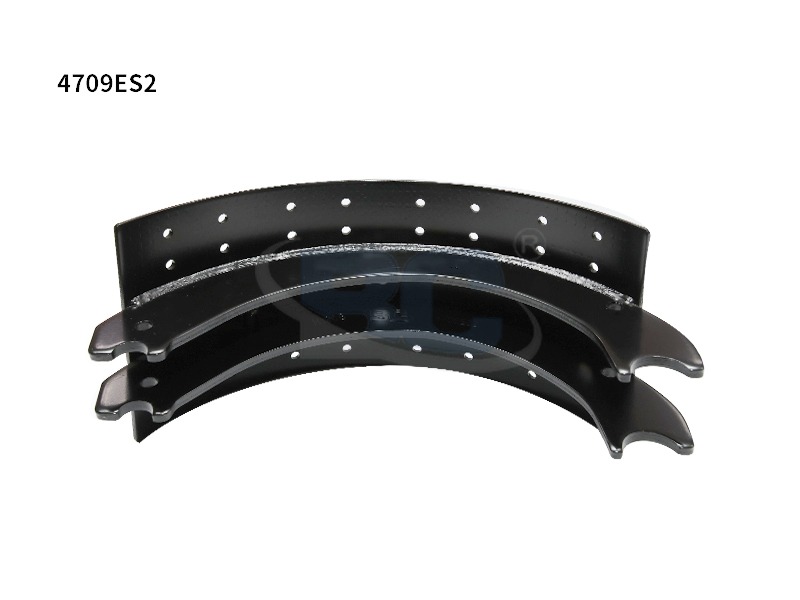
简体中文The 4700PQ brake shoe is a standard-size friction component used across a wide range of medium and heavy-duty trucks, trailers, and commercial vehicles fitted with S-cam or wedge drum brake systems. Fleet maintenance teams rely on this size code because it cross-references cleanly across multiple OEM platforms, but matching the right 4700PQ brake shoe lining material and steel table thickness to actual duty cycle is what separates a shoe that lasts a full service interval from one that needs early replacement.
4700PQ Brake Shoe Wear Resistance Across Lining Compounds
4700PQ brake shoe wear resistance depends primarily on the friction lining compound bonded or riveted to the steel table, not the steel shoe itself. Organic, semi-metallic, and ceramic-based lining formulations all fit the 4700PQ profile but wear at noticeably different rates under heavy-duty cycling.
- Standard organic linings wear faster under sustained heavy braking but generate less rotor and drum wear, making them suited to lighter regional or urban duty cycles.
- Semi-metallic linings resist heat fade and wear more slowly under repeated hard stops, common in mountainous routes or vehicles running at or near gross weight regularly.
- Lining attachment method matters as much as compound: riveted linings tend to resist edge lifting better over high-vibration routes, while bonded linings maximize usable friction material thickness before replacement.
4700PQ Brake Shoe Braking Performance Under Heavy Load
4700PQ brake shoe braking performance is measured by how consistently the shoe maintains stopping force as drum temperature rises during repeated or prolonged braking events, a condition known as brake fade. A shoe that performs well on a cold dyno test but fades badly after several downhill stops puts a fully loaded truck at real risk.
Steel table flatness and arc accuracy affect performance just as much as lining chemistry, since a warped or poorly arced shoe contacts the drum unevenly, reducing effective friction area and accelerating localized wear that further degrades stopping power over time.
A 4700PQ brake shoe with glazed or contaminated lining surface can lose a significant share of its rated friction coefficient, a problem that resurfacing or proper bedding-in after installation directly addresses.
4700PQ Brake Shoe Compatibility Across Truck and Trailer Platforms
4700PQ brake shoe compatibility is defined by the FMSI 4700 size designation, which standardizes the shoe's arc length, width, and mounting hole pattern so shoes from different manufacturers fit the same drum brake assemblies. This standardization is why fleets running mixed-brand axles and trailers can stock a single shoe size across much of their equipment.
Compatibility still requires checking the specific brake chamber type, S-cam versus wedge actuation, and drum diameter, since the FMSI size code covers shoe geometry but not every variation in the surrounding brake assembly. Confirming axle make and model against the parts cross-reference before ordering prevents a correctly sized shoe from being installed on an incompatible actuation system.
4700PQ Brake Shoe Service Life Expectations by Duty Cycle
4700PQ brake shoe service life varies enormously based on route terrain, average load weight, and driver braking habits, making mileage-based replacement intervals a rough guide rather than a fixed rule. Fleets running flat highway routes at consistent loads typically see longer lining life than those running mountainous or stop-and-go urban routes at the same total mileage.
| Duty Cycle | Typical Lining Life | Key Wear Factor |
| Highway, consistent load | Longer interval, even wear | Steady-state heat, minimal fade risk |
| Mountain or grade-heavy routes | Shorter interval | Sustained high-temperature braking |
| Urban, frequent stops | Shorter interval, uneven wear | Repeated low-speed friction cycling |
| Heavy haul, near gross weight | Shortest interval | High friction load per stop |
4700PQ Brake Shoe for Heavy-Duty Trucks Running Near Gross Weight
A 4700PQ brake shoe for heavy-duty trucks operating consistently near gross vehicle weight rating needs a lining grade and steel table thickness specified for that duty class rather than a general-purpose lining intended for lighter applications. Operating at higher loads increases kinetic energy the brakes must dissipate on every stop, accelerating both lining wear and the risk of fade if the lining compound is undersized for the application.
Heavy-haul fleets typically specify semi-metallic or ceramic-enhanced linings on 4700PQ shoes specifically to manage this higher thermal load, accepting a modest increase in component cost in exchange for more predictable stopping performance and fewer unscheduled brake service events.
4700PQ Brake Shoe Replacement Guide
Inspect Lining Thickness and Drum Condition
Measure remaining lining thickness against the manufacturer's minimum specification and check the drum surface for scoring, out-of-round wear, or heat cracking before condemning the shoes alone.
Replace Shoes in Matched Axle Sets
Always replace both shoes on a wheel end together, and ideally both wheel ends on an axle, to avoid uneven braking force side to side that can pull the vehicle during hard stops.
Inspect and Lubricate Hardware
Check return springs, rollers, and anchor pins for wear or corrosion, replacing hardware kits alongside shoes rather than reusing worn components that compromise shoe return action.
Adjust and Bed In After Installation
Set brake adjustment to specification immediately after installation, then follow a gradual bedding-in procedure with moderate stops before subjecting the new linings to hard or sustained braking.
Frequently Asked Questions
What does the 4700PQ size code actually specify
The 4700 portion refers to the FMSI standardized shoe size and arc, while the PQ suffix typically indicates the lining grade or compound variant offered within that size family.
Can 4700PQ brake shoes be resurfaced instead of replaced
Lining surfaces with glazing but adequate remaining thickness can sometimes be resurfaced to restore friction coefficient, though shoes worn near minimum thickness or with damaged steel tables should be replaced rather than resurfaced.
Should all four shoes on an axle be replaced at the same time
Yes, replacing both shoes on each wheel end and matching both wheel ends on the axle prevents uneven braking force that can cause pulling or instability during hard braking.
How does duty cycle affect 4700PQ brake shoe replacement intervals
Highway routes with steady loads generally allow longer service intervals, while mountainous, urban stop-and-go, or heavy-haul-near-capacity routes accelerate lining wear and shorten the practical replacement interval.