 English
 简体中文
简体中文The 4702PQ brake shoe is a widely specified drum brake component used across heavy duty trucks, buses, and commercial trailers, where consistent friction performance and structural durability are directly tied to vehicle safety. For truck parts distributors, fleet maintenance teams, and OEM buyers, selecting the right brake shoe configuration affects not just replacement frequency but braking distance, drum wear, and overall system reliability under sustained heavy load. This guide covers the brake shoe types available under the 4702PQ designation, the vehicle applications they serve, the performance properties that separate reliable components from problem parts, and the installation practices that keep a drum brake system operating safely.
1Types of 4702PQ Brake Shoes
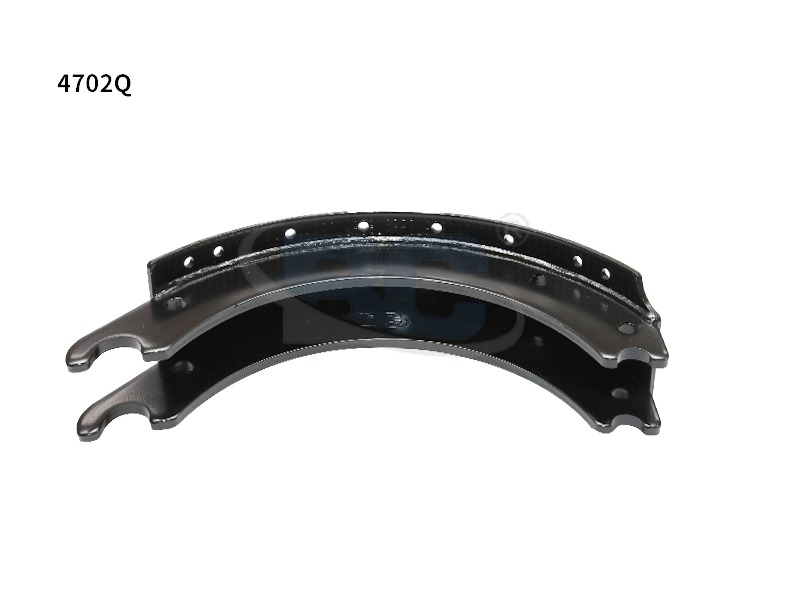
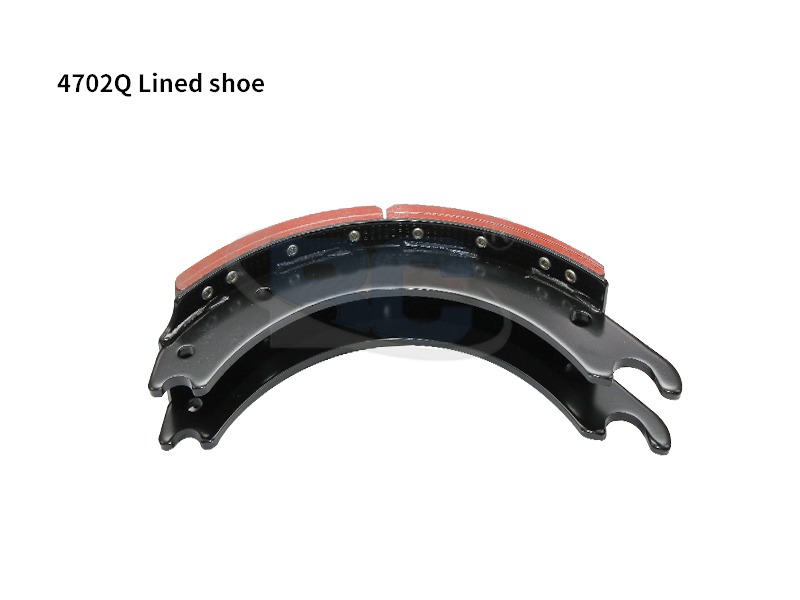
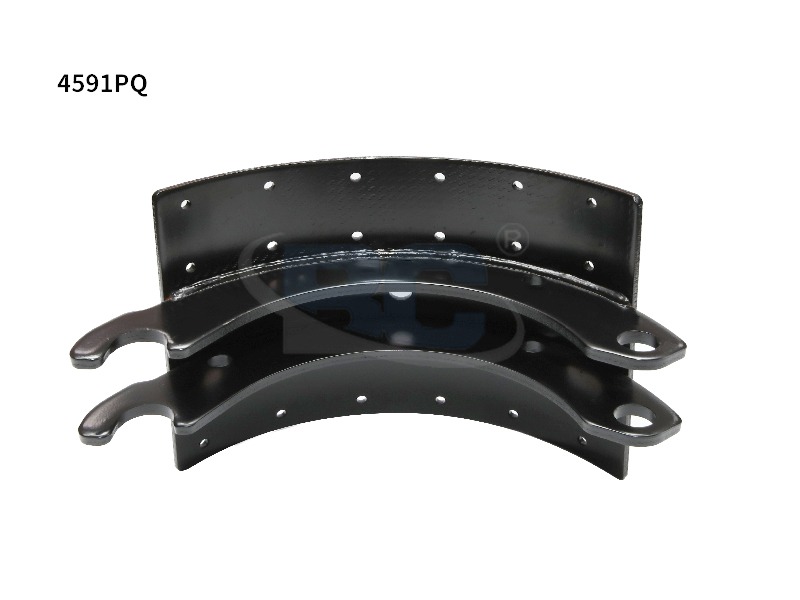
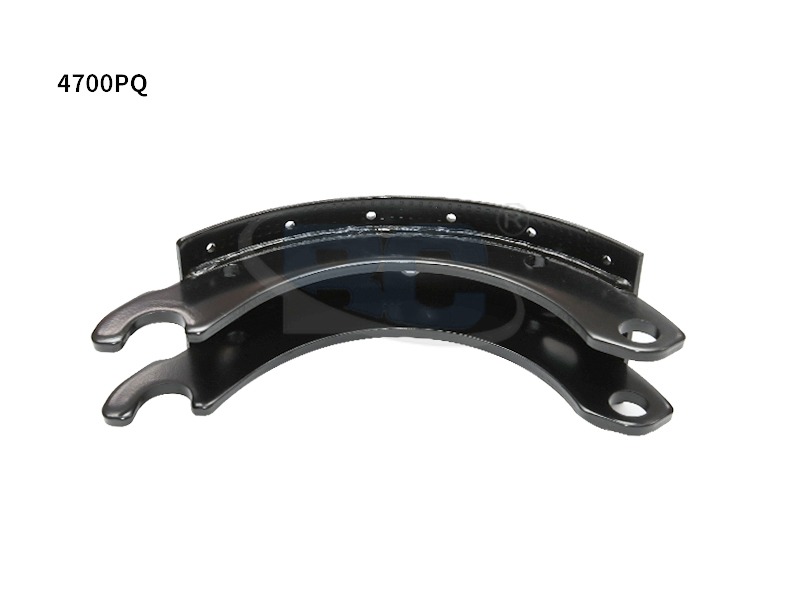
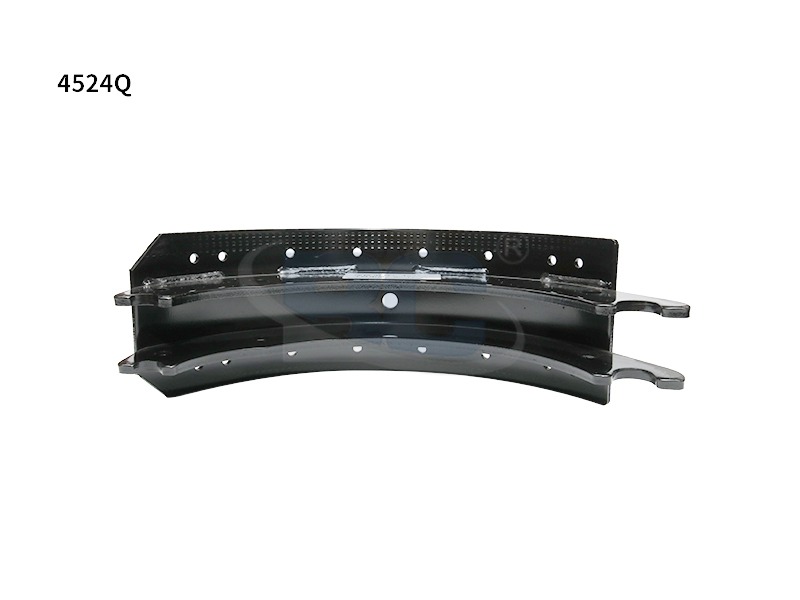
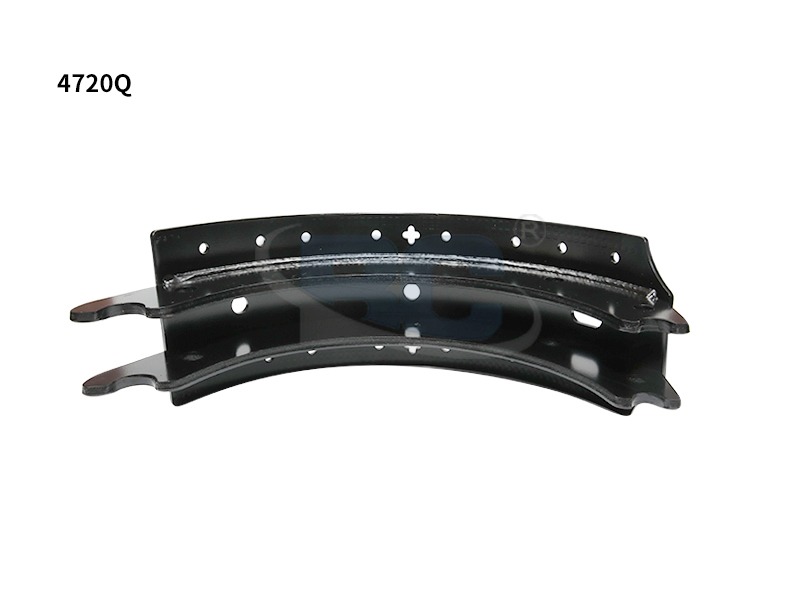
4702PQ brake shoes are produced in several configurations to match the specific drum brake system architecture and duty requirements of different heavy duty vehicles. At the core of every configuration is the truck brake shoe assembly itself, consisting of a formed steel shoe table that carries the friction lining and interfaces with the vehicle's brake drum during operation.
Heavy duty brake lining material varies primarily by friction compound, with options generally balancing friction performance, heat tolerance, and wear life differently depending on the intended duty cycle. A drum brake shoe assembly built for continuous highway duty typically prioritizes heat stability and wear life, while shoes specified for stop-and-go urban bus routes place more emphasis on consistent friction performance across frequent brake cycles rather than sustained high-speed heat dissipation.
Lining mechanically fastened to the shoe table using rivets
Lining adhesively bonded for a smoother wear surface
Shoe curvature pre-matched to drum radius for faster seating
Commercial vehicle brake parts sold under the 4702PQ designation are typically available as OEM brake shoe replacement components, manufactured to match original equipment dimensions and mounting configuration so they integrate directly with existing brake hardware without requiring modification. Buyers sourcing replacement parts should confirm that the specific 4702PQ variant matches both the shoe dimensions and the lining specification appropriate for their vehicle's duty cycle, since mismatched friction material can affect braking consistency even when the physical shoe dimensions are correct.
Shoe table construction quality also varies across suppliers producing components under the same part designation, since the formed steel table underneath the friction lining needs to maintain its shape and rigidity under repeated high-force braking cycles. A table that flexes or deforms under load can compromise even a well-specified lining material's performance, which is why buyers evaluating new suppliers should assess base component construction alongside lining specification rather than treating the lining as the only variable that matters.
2Applications of 4702PQ Brake Shoes
4702PQ brake shoes are specified across a range of heavy duty vehicle platforms, and understanding these applications helps buyers confirm they are sourcing the correct component for their specific fleet needs. Heavy truck brake system applications represent the primary use case, where these brake shoes serve as a critical wear component in drum brake axle configurations common across freight and logistics vehicles.
Brake shoes are a direct safety component. Any uncertainty about correct part fitment or lining specification for a given vehicle should be resolved with the vehicle manufacturer's specification before installation.
Bus brake system components built around the 4702PQ specification face particularly demanding duty cycles due to the frequent stop-and-go braking pattern typical of urban and regional bus routes. This repeated cycling generates substantial heat and mechanical stress, making consistent friction performance across a wide temperature range especially important for this application compared to vehicles with more consistent highway duty cycles.
Trailer brake assemblies represent another significant application area, where 4702PQ brake shoes are used across a range of trailer axle configurations in logistics and freight operations. Because trailers are often paired with different tractor units across their service life, maintaining consistent brake shoe specification across a fleet's trailer inventory helps ensure predictable braking behavior regardless of which tractor a given trailer is coupled with.
Logistics fleet maintenance operations benefit significantly from standardizing on well-documented brake shoe specifications like 4702PQ, since consistent part numbers across a vehicle fleet simplify inventory management, reduce the risk of incorrect part installation, and support more predictable maintenance scheduling. Industrial transport vehicles operating in demanding environments, including construction and heavy hauling applications, similarly rely on this brake shoe category for its combination of structural durability and documented performance specifications.
- Heavy truck axle drum brake systems
- Urban and regional bus brake systems
- Trailer axle brake assemblies
- Logistics and freight fleet maintenance programs
- Industrial and heavy hauling transport vehicles
Across each of these applications, fleet maintenance teams benefit from working with suppliers who can confirm exact fitment and lining specification against the vehicle manufacturer's requirements, since even small variations in shoe dimension or lining compound can affect brake feel and wear patterns across a mixed vehicle fleet.
Mixed fleet operations present a particular sourcing challenge, since a logistics or bus operator running multiple vehicle makes and models may need to manage several brake shoe specifications simultaneously. Standardizing on well-documented, widely available part designations like 4702PQ where vehicle compatibility allows can meaningfully simplify inventory management and reduce the risk of a maintenance crew installing an incorrect part during a high-volume service period.
3Key Performance Properties Buyers Should Evaluate
Not every brake shoe sold under a given part designation delivers identical real-world performance, and buyers who understand the underlying quality markers are better equipped to evaluate suppliers. Four properties deserve close attention: friction coefficient stability, heat resistance, wear resistance, and noise reduction characteristics.
Friction coefficient brake lining performance determines how consistently the brake shoe converts kinetic energy into stopping force across varying speeds, loads, and temperatures. A lining material that maintains a stable friction coefficient across this range delivers more predictable pedal feel and stopping distance than one whose friction performance varies significantly with temperature or brake system condition.
| Property | What It Affects | Buyer Priority |
| Friction Coefficient | Stopping force consistency across conditions | High |
| Heat Resistance | Performance stability under sustained braking | High |
| Wear Resistance | Service life and replacement interval | Medium |
| Noise Reduction | Operator and passenger comfort | Medium |
Heat resistance brake shoe performance is particularly important for heavy duty applications, since drum brakes on loaded trucks and buses generate substantial heat during sustained or repeated braking, such as descending long grades or navigating frequent urban stops. A lining material that resists heat-related friction fade maintains more consistent stopping performance during these demanding conditions compared to material that degrades under sustained thermal load.
Wear resistance material selection directly affects replacement interval and total cost of ownership across a fleet's brake maintenance program. While a longer-wearing lining generally commands a higher upfront cost, the reduced replacement frequency and associated labor cost often make higher wear resistance the more economical choice for fleets logging substantial mileage, particularly for vehicles operating on demanding routes with frequent braking cycles.
Noise reduction brake system characteristics, while secondary to core safety performance, still matter for driver and passenger comfort, particularly in bus applications where cabin noise directly affects passenger experience. Lining material composition and shoe design both influence brake noise, and buyers evaluating suppliers for passenger vehicle applications should factor this consideration into their sourcing decisions alongside core safety and durability properties.
Taken together, these four properties should inform how a buyer evaluates competing 4702PQ brake shoe options rather than relying on price or brand recognition alone. Requesting documented performance data across friction stability, heat tolerance, and wear life gives fleet buyers a more complete picture of how a given component will actually perform across its intended vehicle application than a single specification sheet summary can provide.
 |
 |
4Installation and Maintenance Considerations
Correct installation and ongoing maintenance are what allow a properly specified 4702PQ brake shoe to deliver its intended performance and service life in the field. Four areas deserve particular attention during installation and routine service.
- Confirm brake drum alignment and inspect drum surface condition before installing new shoes
- Follow correct rivet installation method and torque specification when mounting lining to the shoe table
- Complete full brake system adjustment after installation to ensure proper shoe-to-drum clearance
- Establish a routine inspection schedule appropriate to the vehicle's duty cycle and mileage
Brake drum alignment should be verified before any new brake shoe installation, since a worn or out-of-round drum will cause uneven contact with even a correctly specified new shoe, leading to premature wear and inconsistent braking performance. Inspecting drum condition as part of every brake shoe replacement helps avoid installing new components against a compromised wear surface.
Rivet installation method matters significantly for riveted lining configurations, since improperly torqued or misaligned rivets can allow lining movement against the shoe table, creating noise, uneven wear, or in severe cases, lining separation under heavy braking load. Following the manufacturer's specified installation procedure and torque values protects both the immediate installation quality and the component's long-term service life.
Brake system adjustment following shoe replacement ensures proper clearance between the new lining and the drum surface, which directly affects both braking responsiveness and even wear distribution across the lining surface. A routine inspection schedule, calibrated to the vehicle's actual duty cycle and mileage accumulation rather than a generic calendar interval, helps fleet maintenance teams catch wear or damage before it affects braking performance or leads to more costly repairs.
5FAQ
What is a 4702PQ brake shoe?
It is a specific drum brake shoe part designation used across heavy duty trucks, buses, and trailers, consisting of a formed steel shoe table fitted with friction lining designed to match the dimensional and performance requirements of that vehicle category.
How does a drum brake shoe work?
When the brakes are applied, the shoe assembly is pushed outward against the inner surface of the rotating brake drum, and the friction generated between the lining and the drum surface slows and stops the vehicle.
When should brake shoes be replaced?
Brake shoes should be replaced when lining thickness approaches the manufacturer's minimum specification, when uneven wear or contamination is present, or according to the fleet's routine inspection and maintenance schedule based on vehicle duty cycle.
What causes brake shoe wear?
Wear results from the friction generated during normal braking, but it can accelerate due to drum misalignment, contamination, incorrect adjustment, or a friction material poorly matched to the vehicle's actual duty cycle and load conditions.
Can brake shoes affect braking distance?
Yes, brake shoe condition and friction performance directly affect stopping force and consistency, meaning worn, contaminated, or improperly specified shoes can measurably increase braking distance compared to correctly maintained components.
How long do truck brake shoes last?
Service life varies significantly based on vehicle duty cycle, load, driving conditions, and lining material, making mileage-based fleet inspection records a more reliable guide to replacement timing than a fixed universal interval.
6Final Thoughts
Selecting the right 4702PQ brake shoe configuration requires balancing friction performance, heat and wear resistance, and correct fitment against the specific demands of the vehicle's duty cycle and application. Buyers who evaluate these performance properties alongside correct installation and a consistent maintenance schedule are best positioned to support safe, predictable braking performance across their fleet's service life.