 English
 简体中文
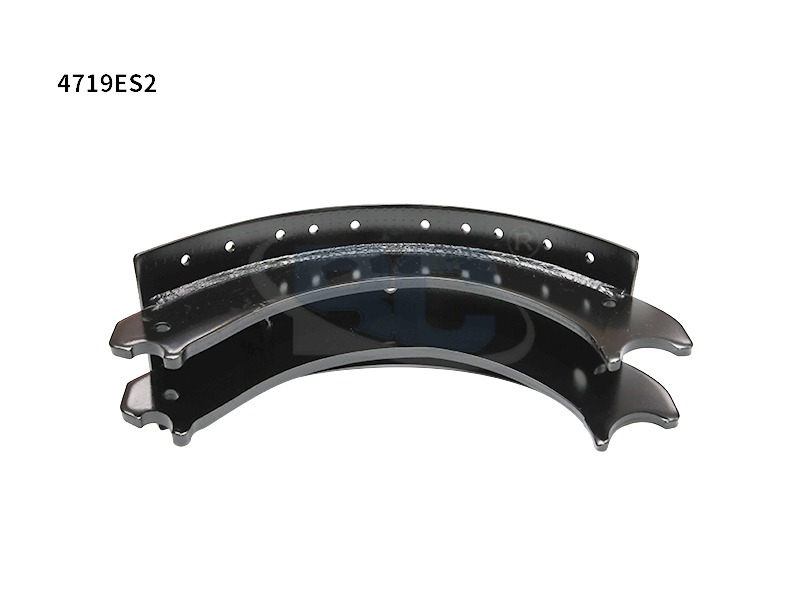
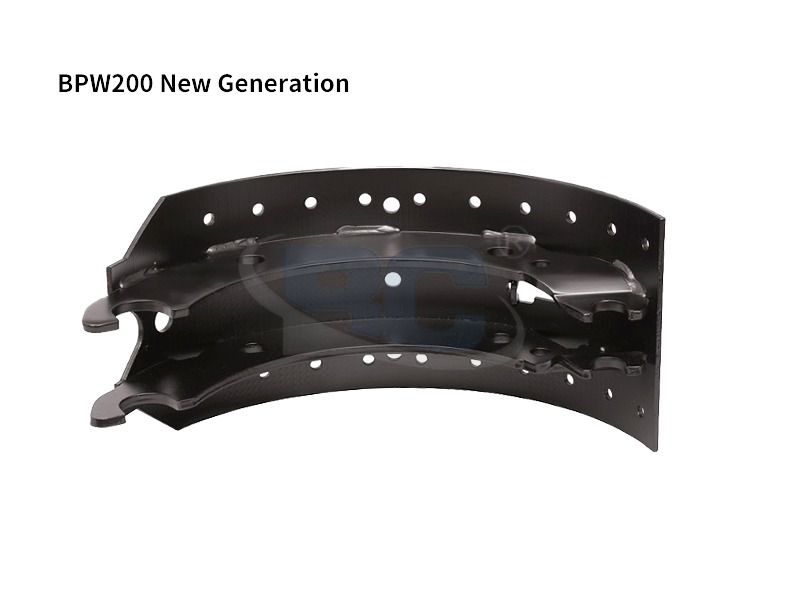
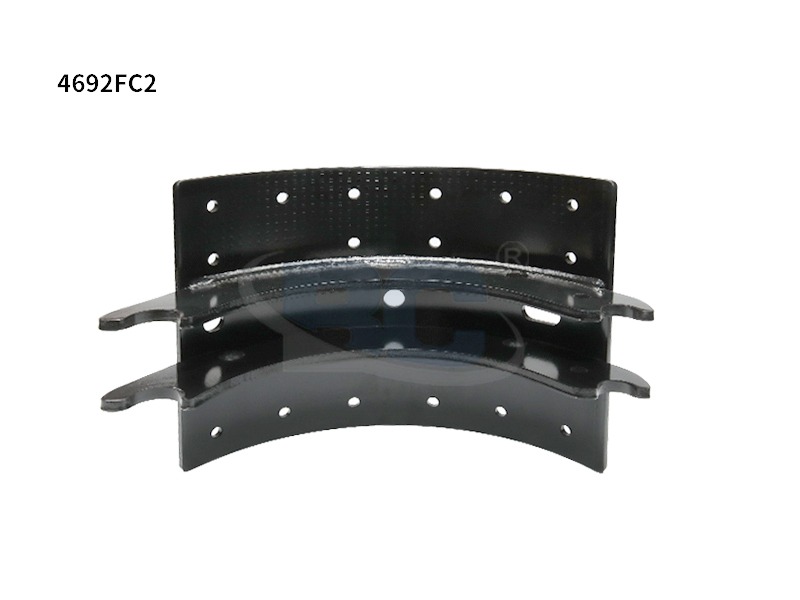
简体中文The 4719ES2 Brake Shoe is a foundational safety component engineered for heavy-duty commercial vehicles, transit buses, and logistical trailer fleets utilizing standard S-cam drum brake foundations. Fabricated using high-tensile structural steel plates and lined with premium non-asbestos organic (NAO) or semi-metallic friction materials, this specific profile delivers high mechanical stability under extreme thermal loads. It is a highly reliable option for transport fleets seeking to maintain compliance with FMVSS 121 stopping distance requirements while extending maintenance intervals.
Dimensional Specifications and Geometric Profile Bounds
Precision geometry is mandatory for heavy-duty brake components to avoid uneven lining wear, localized heat checking, or structural binding inside the drum. The 4719ES2 profile adheres to strict industry standard physical dimensions, ensuring direct compatibility with original equipment manufacturer (OEM) wheel end configurations.
The table below outlines the core engineering dimensions and mounting parameters that define the 4719ES2 configuration. These exact tolerances prevent axial shifting during high-torque deceleration events:
Metallurgical Resistance and Web Structural Integrity
During severe or prolonged braking, structural shoes must endure extreme radial clamping forces without experiencing permanent deformation or twisting along the web axis. The structural platform of the 4719ES2 profile is formed from premium carbon steel plate, which undergoes automated robot-controlled welding to affix the parallel support webs to the outer shoe table.
To prevent rust jacking—a phenomenon where rust expands between the steel table and the friction lining, leading to fractured rivets and lining detachment—the bare steel is treated with an induction-cured anti-corrosion black powder coating. This protective layer successfully withstands over 240 hours of continuous salt spray testing under ASTM B117 standards, ensuring long-term structural durability in winter environments treated with corrosive chemical de-icers.
Friction Material Formulation and Thermal Dissipation
The choice of friction formulation directly influences stopping distances, drum wear rates, and operational noise levels. The 4719ES2 configuration is available with specialized friction blocks tailored to distinct operational profiles:
- Advanced Semi-Metallic Formulations
Blended with structural steel fibers and copper powder modifiers, these linings provide exceptional thermal conductivity, making them highly effective for severe-duty refuse trucks or heavy payload hauling. - Premium Non-Asbestos Organic (NAO) Compounds
Composed of high-temperature synthetic resins and glass fibers, these blocks offer smoother engagement, minimize abrasive drum scoring, and eliminate low-frequency brake squeal in urban transit environments. - Thermal Fade Resistance Threshold
Engineered to maintain a stable coefficient of friction (between 0.38 and 0.42) up to intermittent temperatures of 350 degrees Celsius, preventing brake fade during down-gradient alpine descents.
Fleet Maintenance Protocols and Replacement Criteria
Safety officers and garage mechanics must monitor brake linings closely to prevent dangerous metal-to-metal contact with the drum. Implement a strict maintenance schedule that requires physical lining thickness checks every 20,000 kilometers of vehicle operation. The 4719ES2 friction blocks should be replaced immediately if the lining thickness wears down to less than 6.00 mm at its narrowest point.
When installing new shoes, always use a complete hardware kit containing fresh return springs, anchor pins, and cam rollers. Reusing stretched, fatigued springs can cause slow brake release, leading to continuous drag, localized overheating, and premature failure of both the shoe and the surrounding wheel end components.