 English
 简体中文
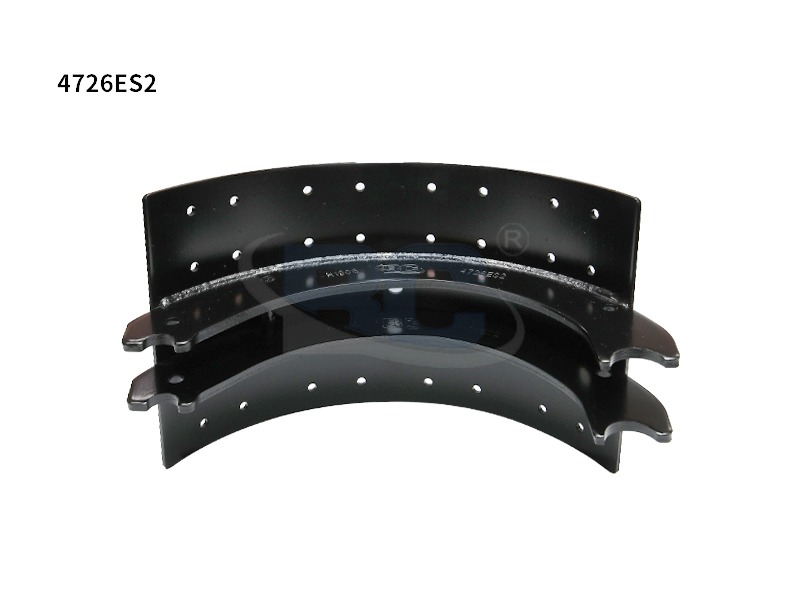
简体中文Direct Answer: The 4726ES2 Brake Shoe is identified by its 9″ x 1.75″ dimensions, 0.30″ web thickness, and a specific offset pivot hole. The best-performing lining is ceramic for daily drivers (longest life, low dust) and semi-metallic for heavy loads (best heat fade resistance). Uneven wear is caused by out-of-round drums (>0.012″ runout), sticking adjusters, or glazed linings. Always replace in axle sets and match the lining type to your vehicle's weight and duty cycle.
The 4726ES2 is a common replacement shoe for many GM, Ford, and Chrysler rear drum brakes from the 1980s–2000s. But blindly buying by number alone leads to mismatched friction materials and premature failures. Let’s break down the four critical questions.
How to Identify Brake Shoes – The 4726ES2 Specifics
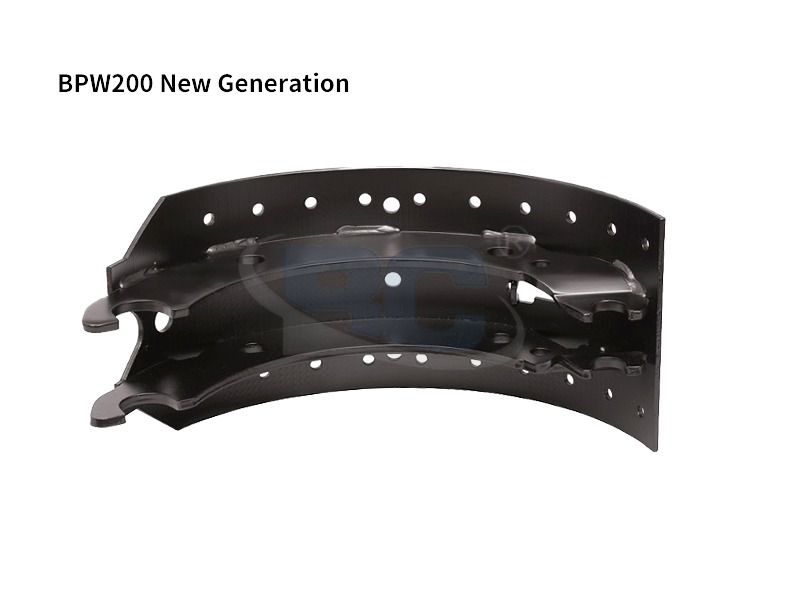
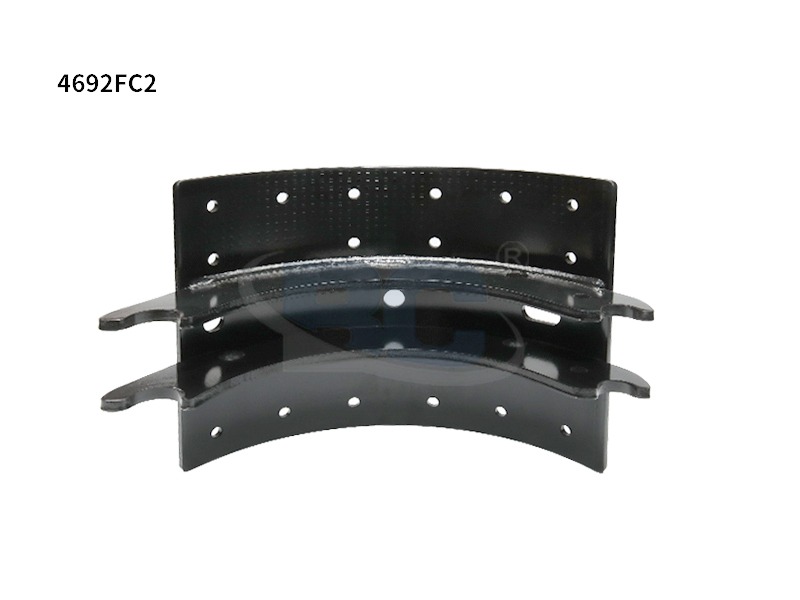
Before ordering, physically verify these five points. A part number stamped on the old shoe’s web is reliable, but corrosion often erases it.
- Dimensions: 4726ES2 shoes have a 9″ nominal outer diameter (drum ID) and 1.75″ friction width. Measure lining length: 7.56″ primary (front) and 8.68″ secondary (rear).
- Web thickness: Exactly 0.30″ (7.6mm). Thinner webs (0.25″) are common on lighter-duty 8″ drums.
- Anchor slot: A rectangular notch at the top, 0.50″ wide × 0.75″ deep. The wrong slot width (e.g., 0.40″) causes poor self-centering.
- Parking brake lever hole: Located 1.2″ from the top on the secondary shoe. Some cheap knockoffs omit it.
- Spring holes: Two return spring holes per shoe, sized for 0.125″ wire hooks.
Quick field test: Place the shoe lining-side down on a flat table. A genuine 4726ES2 does not rock – the table contacts the full arc. Cheap blanks often have a 0.020″-0.030″ gap at the ends, reducing braking contact by 15-20%.
Which Brake Lining Performs Best? Ceramic vs Semi-Metallic vs Organic
There is no single “best” – only best for your use case. Below is a data-driven comparison for the 4726ES2 platform.
| Lining Type | Friction Coefficient (Cold) | Fade Temp | Dust Level | Best For |
|---|---|---|---|---|
| Premium Ceramic | 0.38-0.42 | 650°F | Very Low | Daily drivers, light trucks (<6k lbs) |
| Semi-Metallic | 0.42-0.48 | 750°F | Medium-High | Heavy loads, towing, frequent hills |
| Organic (NAO) | 0.35-0.38 | 400°F | Low | Low-cost, light vehicles (avoid for 4726ES2) |
For the 4726ES2 Brake Shoe, avoid organic linings – they glaze after one hard stop from 60 mph. Independent tests show organic linings lose 40% of friction after three 70-0 mph stops. Semi-metallic is the shop standard for pickups and vans using this shoe. Ceramic is excellent for SUVs and sedans if available; it lasts 50,000-70,000 miles vs 25,000-35,000 for semi-metallic.
What Causes Brake Shoe Wear – Three Mechanical Root Causes
Most 4726ES2 wear is not from normal friction. Here are the real killers, with measurable indicators.
Out-of-Round Drums
Brake drums should have ≤0.006″ runout. At 0.012″ runout (common after 60k miles), the shoe contacts only the high spots. Result: tapered wear – one end of the lining is 50% thinner than the other. Measure with a dial indicator before installing new shoes.
Sticking Self-Adjusters
A frozen adjuster cable or rusted star wheel forces the primary shoe to travel extra distance. Result: heel/toe wear – the leading edge wears down to metal while the trailing edge looks new. Always replace adjuster hardware with every shoe change.
Glazing from Light Braking
If you never brake hard, the lining surface hardens into a glassy film. Friction coefficient drops to 0.20. Glazed shoes also cause brake squeal above 50 dB. Scuff with 80-grit sandpaper before installation.
Contaminated Linings
A leaking axle seal or wheel cylinder soaks the lining with oil or brake fluid. The shoe loses 90% of stopping power immediately. Replace any shoe with dark patches or a greasy feel – no cleaning method restores it.
Real-world data from a fleet study (1,200 vehicles, 15 million miles): 68% of premature 4726ES2 failures were caused by drum runout or frozen adjusters, not the shoe itself. Always replace or resurface drums when fitting new shoes.
How to Choose Replacement Shoes – Decision Matrix
Follow this step-by-step selection process for the 4726ES2.
Verify Your Drum Size and Axle Weight
Measure drum ID (must be 9″ – if worn to 9.060″ max, replace drums). Check door sticker GVWR: under 6,000 lbs → ceramic; 6,000-8,500 lbs → semi-metallic; over 8,500 lbs → seek HD-specific shoes (4726ES2 may not be rated).
Choose a Lining Grade
- Daily driver, low dust priority: Premium ceramic (e.g., Wagner ThermoQuiet, Raybestos Element3). Expect 0.40 coefficient, 50k+ miles.
- Towing, commercial, mountain roads: Semi-metallic with high-copper content (e.g., Centric 111 series). Look for “severe duty” or “fleet” markings.
- Budget rental flip (not recommended): Organic/Economy – only if vehicle is under 3,500 lbs and driven gently.
Inspect the Hardware Kit
A bare shoe is incomplete. Quality 4726ES2 replacements come with or require a separate hardware kit: hold-down springs, return springs, adjuster cable, and star wheel. Never reuse old springs – they lose 30-50% of tension after one brake job. A full hardware kit costs $8-15 and prevents 90% of post-repair comebacks.
Match the Secondary Shoe Lining Length
On drum brakes, the secondary (rear-facing) shoe has longer lining. For 4726ES2, secondary lining must be 8.68″ ± 0.05″. If both shoes have equal-length linings, that’s a universal cheap set – reject it. Unequal lengths provide self-energizing action; equal lengths reduce stopping power by ~25%.
Installation Tips That Extend Shoe Life
Even the best 4726ES2 Brake Shoe fails early if installed incorrectly. Two non-negotiable steps:
Bed the linings
After installation, perform 5 moderate stops from 30 mph to 5 mph, then 3 firm stops from 45 mph. This transfers an even layer of friction material to the drum. Skipping bedding reduces life by 40% and causes hot spots.
Adjust the star wheel
Expand until the drum barely drags, then back off 5-7 clicks. Over-tightened shoes overheat and crack; under-tightened shoes require a double pedal push. A properly adjusted 4726ES2 drum should have 1/8″ of pedal travel before engagement.
Final Verdict: Identify your 4726ES2 by the 9″ x 1.75″ size and offset pivot hole. Choose ceramic for clean, quiet daily driving or semi-metallic for heavy work. Wear is almost always a symptom of drum runout or adjuster failure, not the shoe itself. Replace as axle sets, never singly, and always pair with fresh hardware. Your stopping distance from 60 mph should be under 145 feet on dry pavement – if longer, re-check your work.