 English
 简体中文
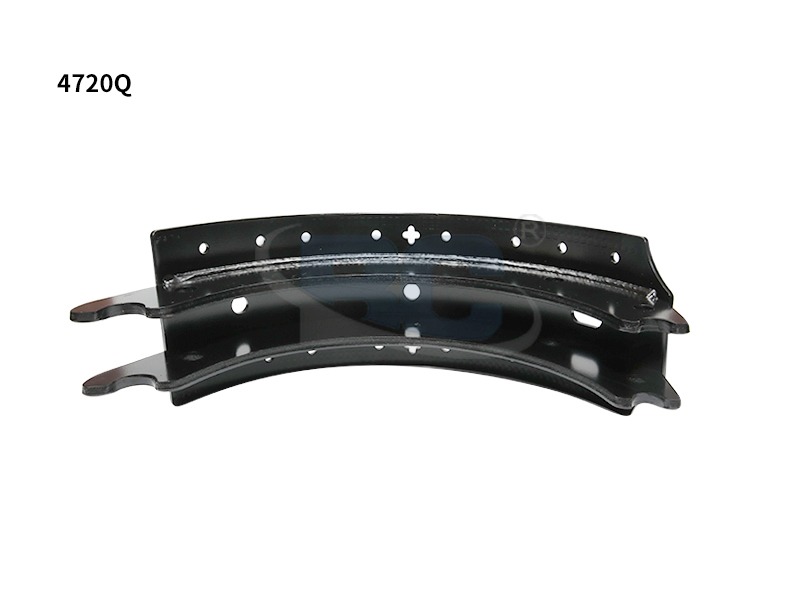
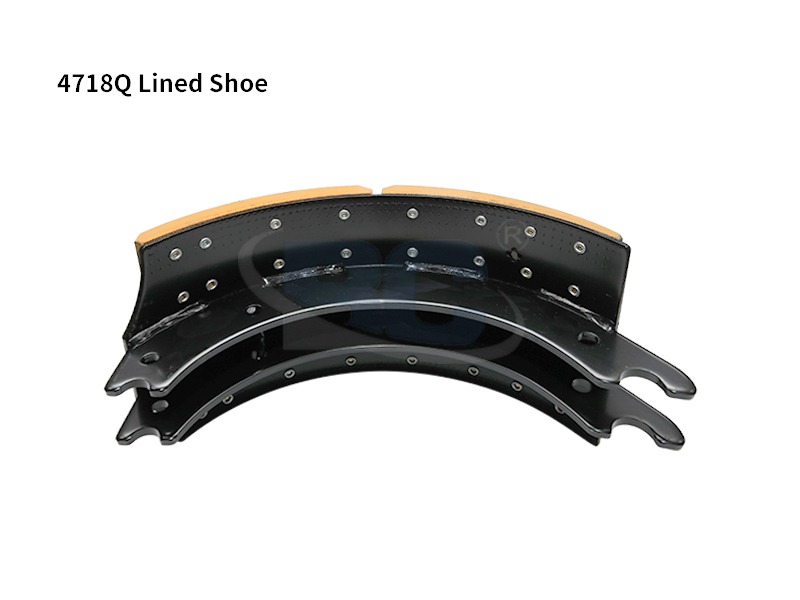
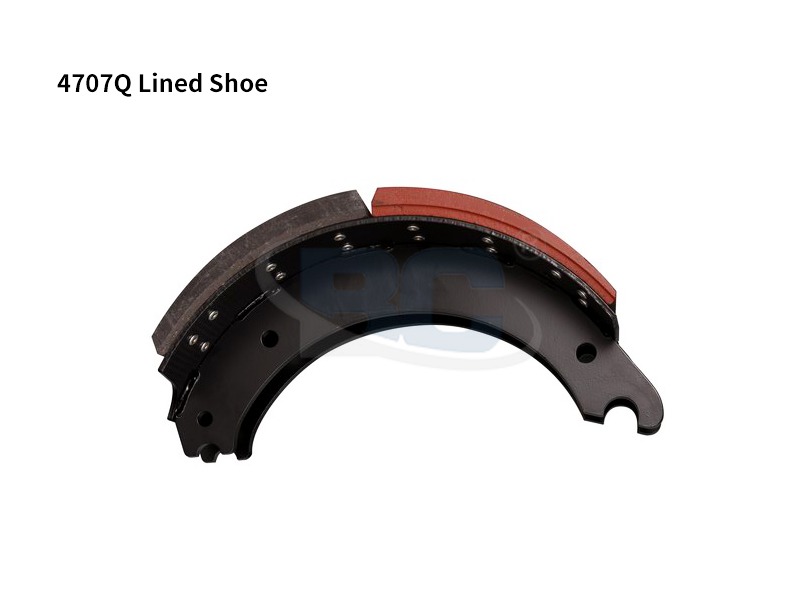
简体中文The 4720Q Brake Shoe is a critical heavy-duty friction component designed specifically for Q-type cam brakes, commonly utilized in North American commercial vehicle axles such as Meritor and Eaton. It serves as the structural foundation for the braking system, engineered to convert pneumatic pressure into mechanical clamping force to decelerate Class 7 and Class 8 trucks with high thermal stability and minimal structural deflection.
Structural Composition and Material Engineering
The durability of a 4720Q Brake Shoe is determined by its heavy-gauge steel construction. Unlike light-duty variants, the 4720Q uses a reinforced "table" and "web" design to prevent warping under the extreme heat generated during downhill braking maneuvers.
Technical Specifications and Dimensions
Precision in dimensions is vital for the 4720Q Brake Shoe to ensure seamless integration with the brake drum and air actuator. Even a 1mm deviation in rivet hole alignment can lead to uneven wear or mechanical failure.
| Parameter | Specification |
|---|---|
| Standard Size | 16.5" x 7" |
| Brake Type | Q-Style Quick Change |
| Number of Rivet Holes | 28 or 32 (Standard dependent) |
| Web Thickness | 6mm - 8mm |
Performance Standards and FMVSS 121 Compliance
For B2B procurement and fleet safety, the 4720Q Brake Shoe must meet or exceed FMVSS 121 (Federal Motor Vehicle Safety Standard) requirements. This ensures that the shoe, when paired with appropriate friction material, provides consistent stopping distances under both cold and hot (faded) conditions.
| Performance Metric | Value/Standard | Functional Benefit |
|---|---|---|
| Thermal Threshold | Up to 350°C (662°F) | Resists structural softening during high-frequency braking. |
| Friction Coefficient | 0.35 - 0.45 (Typical) | Ensures predictable deceleration for loaded trailers. |
| Shear Strength | > 250 N/cm² | Prevents the lining from shearing off the steel shoe. |
Maintenance and Inspection Benchmarks
To maintain the integrity of the 4720Q Brake Shoe, fleet managers should adhere to strict inspection intervals. While the steel shoe itself is robust, the components it interacts with can dictate its lifespan.