 English
 简体中文
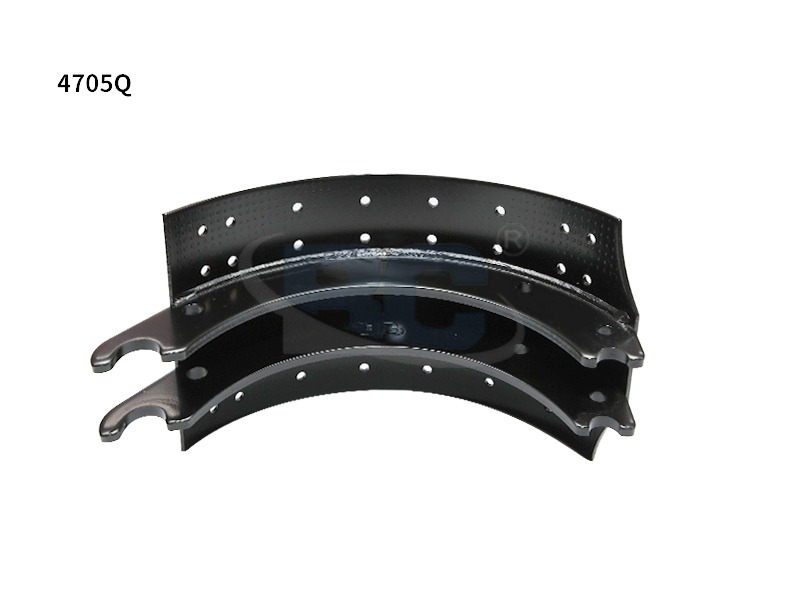
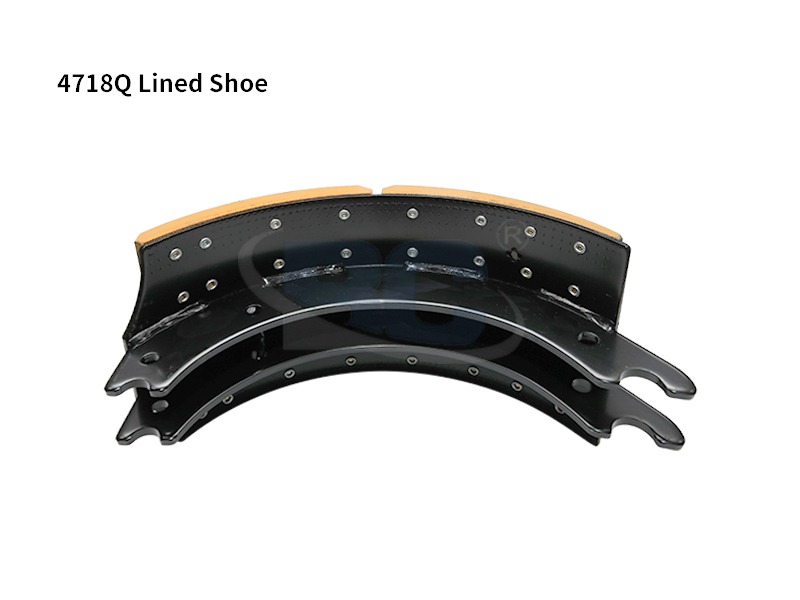
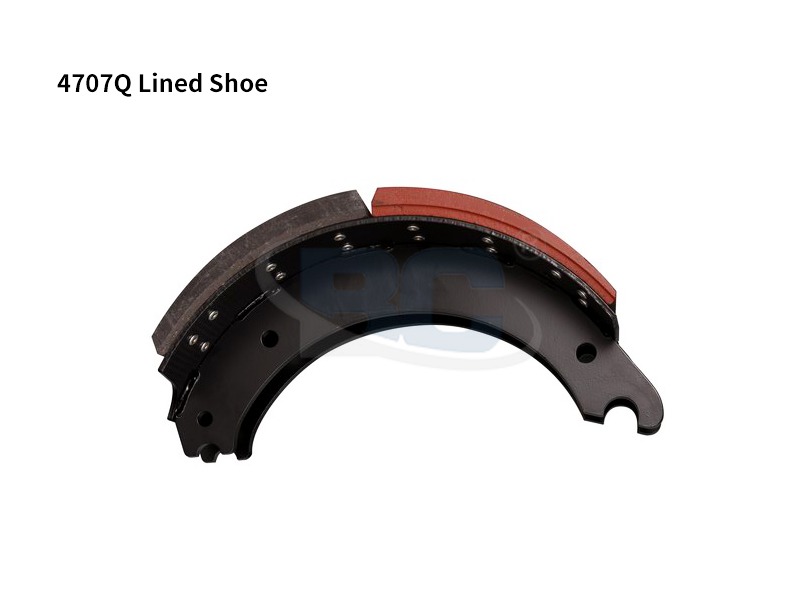
简体中文The 4705Q Brake Shoe is a direct-fit drum brake component engineered primarily for light-duty trucks, SUVs, and vans — most commonly confirmed fitments include select Ford, GM, and Dodge rear axle applications from the 1990s through the 2010s. Under normal driving conditions, brake shoes last 30,000 to 70,000 miles, roughly two to three times longer than disc brake pads. Semi-metallic and ceramic friction materials deliver the strongest balance of stopping power, heat resistance, and wear longevity. Choosing the right replacement part means verifying your vehicle's year, make, model, and axle position before ordering — and matching friction material grade to your load and driving pattern.
Which Vehicles Fit the 4705Q Brake Shoe?
The 4705Q Brake Shoe follows a standardized part number used across multiple OEM and aftermarket catalogues. Confirmed fitment spans a range of rear drum brake assemblies on North American-market vehicles. Always cross-reference with your vehicle's VIN and axle code before purchase.
| Make | Model / Application | Years | Position |
|---|---|---|---|
| Ford | F-150, Ranger, Explorer | 1992–2004 | Rear |
| GMC / Chevrolet | S-10, Sonoma, Blazer | 1994–2003 | Rear |
| Dodge | Dakota, Durango | 1997–2006 | Rear |
| Jeep | Cherokee, Wrangler TJ | 1995–2002 | Rear |
If your vehicle uses a rear drum with a 9-inch or 10-inch drum diameter, the 4705Q geometry is a likely match. Always measure the shoe arc length and lining width against the drum spec — a 0.5 mm mismatch in arc can cause uneven contact and premature wear on one edge of the lining.
How Long Do Brake Shoes Last — and What Cuts That Short?
Brake shoes last significantly longer than disc pads because drum brakes operate in a sealed, lower-temperature environment. The 30,000–70,000 mile range assumes moderate use; towing, mountainous driving, or frequent hard stops can halve that figure.
Factors That Extend Shoe Life
- Smooth, progressive braking technique — avoids heat spikes that glaze the lining
- Proper drum-to-shoe clearance adjustment — self-adjusters maintained every 12 months
- Clean drum interior — contamination from axle seal leaks destroys linings within 5,000 miles
- Quality friction material — ceramic linings wear 20–30% slower than organic compounds
Warning Signs of Worn Shoes
- Grinding or scraping noise when applying the brake pedal
- Pulling to one side during braking — uneven lining wear between left and right
- Reduced parking brake holding force — indicates rear shoe lining below 2 mm
- Visible scoring on the drum interior when inspected through the access hole
Replace brake shoes in axle pairs — never one side only. A new shoe on the right and a worn shoe on the left creates a 15–25% braking force imbalance, measurable as a consistent pull under moderate pedal pressure.
Friction Material Comparison: What Improves Brake Performance?
Friction material is the single most impactful variable in brake shoe performance. The 4705Q Brake Shoe is available with multiple lining compounds — the right choice depends on load, temperature, and noise tolerance.
| Material Type | Friction Coefficient | Heat Resistance | Noise Level | Best Application |
|---|---|---|---|---|
| Organic (NAO) | 0.35–0.45 | Up to 200°C | Low | Light passenger vehicles, low-mileage use |
| Semi-Metallic | 0.40–0.55 | Up to 400°C | Moderate | Trucks, SUVs, towing, mountain driving |
| Ceramic | 0.38–0.50 | Up to 350°C | Very Low | Daily drivers prioritizing quiet and low dust |
| High-Carbon Metallic | 0.50–0.60 | Up to 500°C | High | Heavy-duty commercial, high GVW vehicles |
Key Insight
Semi-metallic linings are the dominant choice for light trucks and SUVs in the 4705Q fitment range. They deliver fade resistance up to 400°C — critical when hauling a trailer down a 6% grade — while still offering acceptable noise levels for daily street use. Organic compounds are quieter but fade at half the temperature, making them a liability under load.
How to Choose the Right Brake Replacement Parts
Selecting replacement brake shoes is not purely a price decision. A mispriced $15 shoe that causes a brake pull or fades under load is not a bargain. Use this sequential checklist before ordering any replacement.
- Confirm exact fitment by VIN: Enter your 17-digit VIN into a parts catalogue or dealer tool. Year/make/model alone is not sufficient — production changes mid-year mean two identical-looking trucks may use different drum diameters.
- Measure drum condition: Drum diameter must not exceed the maximum machined diameter stamped on the drum face (typically 0.060 inches over nominal). An out-of-spec drum must be replaced, not just resurfaced.
- Match friction grade to use case: Towing or mountain driving demands semi-metallic or high-carbon compound. Urban commuting with no load makes ceramic a sensible upgrade for reduced dust and noise.
- Inspect and replace hardware simultaneously: Return springs, hold-down pins, and adjusters cost under $15 per axle set and should always be replaced with the shoes. A weak return spring causes the shoe to drag, generating heat that glazes a new lining within 3,000 miles.
- Verify steel shoe platform quality: A stamped or rolled steel shoe platform must be free of cracks and distortion. The lining bonding surface should be clean and consistent. Riveted linings are more serviceable than bonded; bonded linings offer a marginally larger friction area.
Frequently Asked Questions
Are 4705Q brake shoes compatible with aftermarket drums?
Yes, provided the aftermarket drum matches the OEM drum diameter and width specification for your axle. The 4705Q shoe arc and lining dimensions are standardized to the drum geometry — not to a specific drum brand. Always confirm the drum's inside diameter before fitting new shoes.
Can I reuse brake springs when installing new shoes?
It is not recommended. Return springs fatigue under repeated heat cycling and lose 10–20% of their tension after 50,000 miles of use. A weak spring fails to fully retract the shoe from the drum surface, creating drag, excess heat, and premature lining wear. Hardware kits are inexpensive insurance against a repeat job within 12 months.
How do I know if my brake drum needs replacing rather than resurfacing?
Measure the inside diameter with a drum micrometer. If the diameter exceeds the maximum oversize specification cast into the drum (typically 0.060 inches over nominal for most light truck drums), the drum must be replaced. Deep heat cracks, hard spots visible as shiny patches, or wall thickness below minimum also necessitate replacement — resurfacing cannot fix any of these conditions.
Do 4705Q brake shoes require bedding in after installation?
Yes. Perform 8–10 moderate stops from 30 mph, allowing 30 seconds of cooling between each. This procedure transfers a thin, even layer of friction material onto the drum surface, establishing full contact patch and achieving rated stopping performance. Skipping bedding leaves high spots that cause noise, vibration, and reduced initial bite for the first 500 miles.