 English
 简体中文
A fleet service manager ordered forty brake shoes for BPW 200 trailer axles. The FMSI numbers matched the catalog. When the first wheel end was reassembled, the lining edge sat 0.8 mm outside the drum contact band and the drum dragged. The shoes were new-generation; the axles were old-generation. Forty wheel ends, an overnight parts order, and days of rework followed.
Brake shoe compatibility is not a part-number match. The replacement must reproduce the axle's geometry, friction material specification, and actuation envelope within tolerances that allow full lining-to-drum contact. When one of those fields fails, the shoe bolts up but the brake still underperforms.
Brake shoe compatibility is the engineering condition in which a replacement shoe matches the original axle geometry, friction material specification, and actuation system within the tolerances required for full lining contact and reliable braking performance.
Start with FMSI, Then Verify Everything Else
FMSI, the Friction Materials Standards Institute numbering system, is the global standard for classifying brake shoe and lining profiles, and it is the fastest identification tool a fleet has.
But an FMSI number encodes only the shape, radius, and mounting profile of the friction material. It does not include material grade, web thickness, axle generation, or actuation type. The same FMSI code can be produced riveted or bonded, with or without wear indicators, and in several friction formulations.
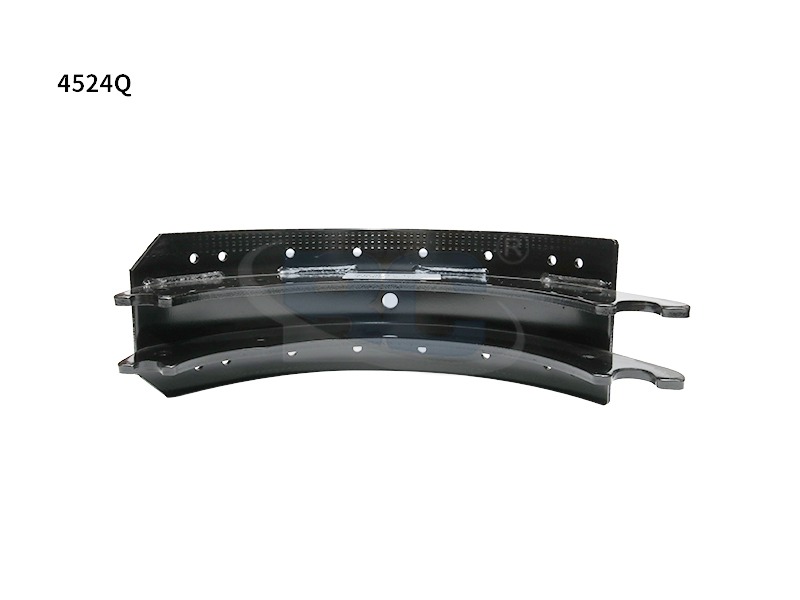
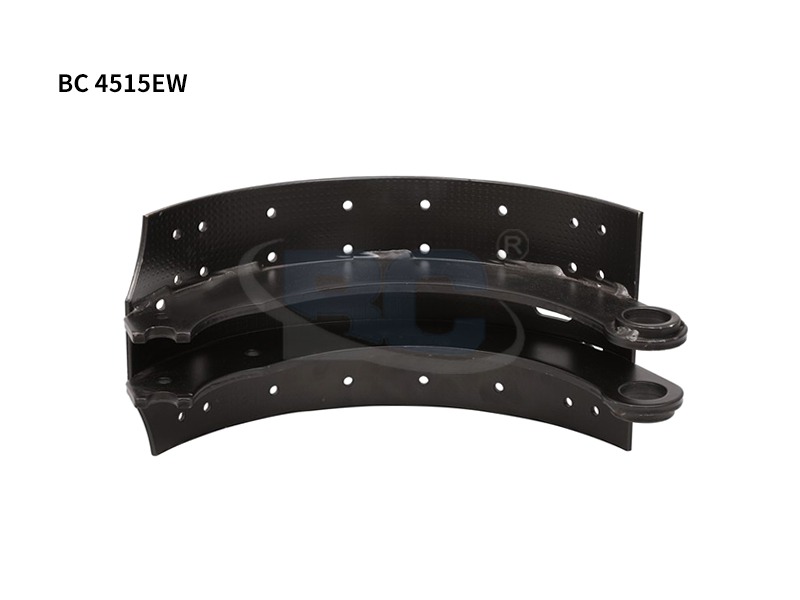
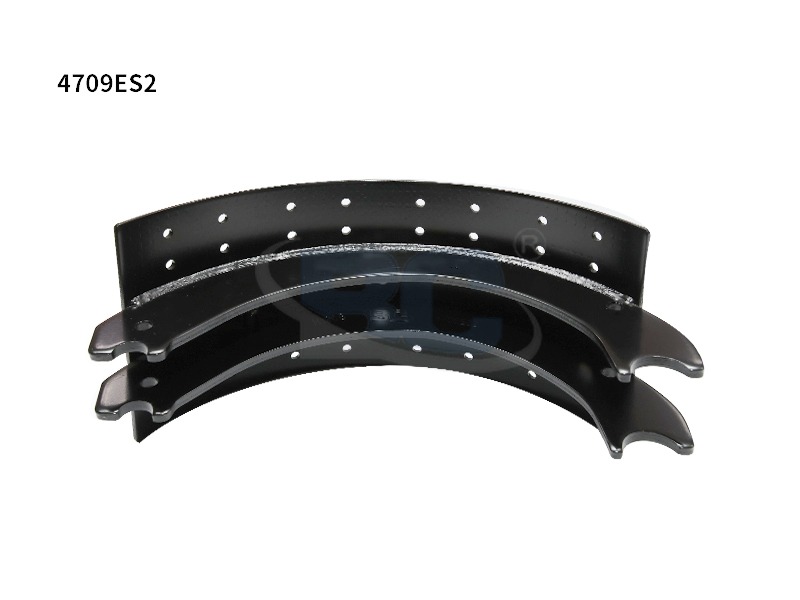
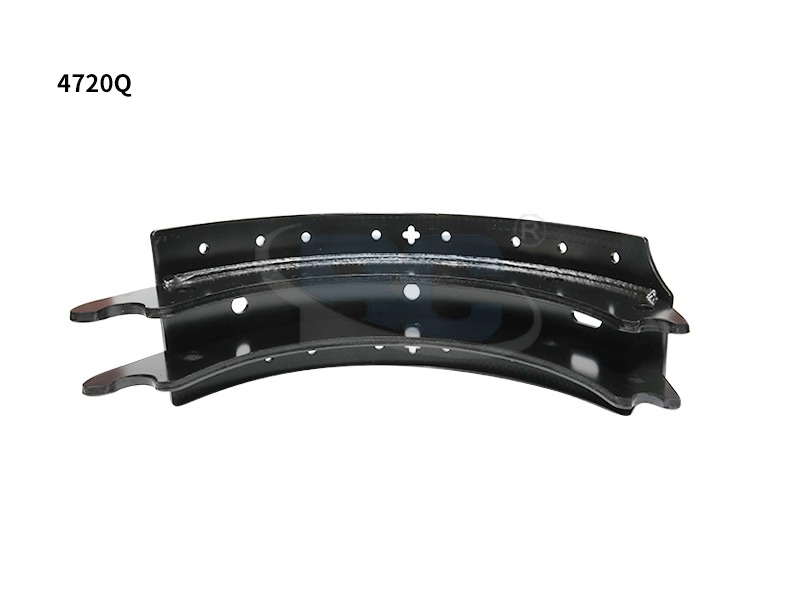
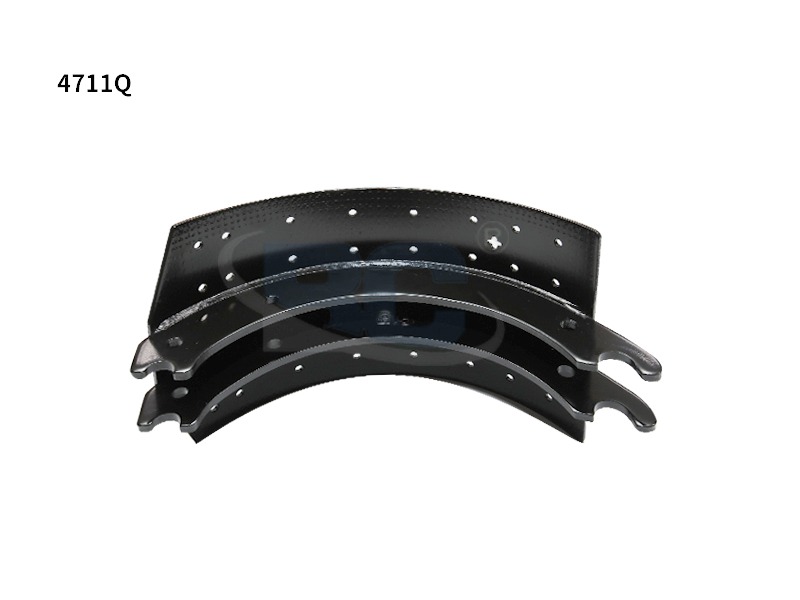
Suffixes make this visible. Codes such as 1308E, 4515Q, 4591SF, 4709ES2, and 4692FC2 describe revisions layered onto the base FMSI number. A 4515 and a 4515Q share the same friction footprint, but they are not automatically interchangeable until web and lining details are confirmed.
- Read the FMSI number stamped into the shoe table, not the painted part number.
- Compare the suffix against the OE numbering convention used on the axle.
- Confirm the friction material grade separately from the FMSI code.
Axle Geometry Sets the Tolerance That Matters
Axle family, camshaft type, and drum dimensions define the geometric envelope that a replacement shoe must fit, so the axle designation is the second key compatibility factor.
European and Asian commercial vehicle axles are not universal. BPW 200, Volvo VL, SAF SK9, and Mercedes-Benz 220 platforms use different web spacing, anchor pin positions, and lining radii. The visible differences are only millimeters, but they decide the contact patch at the friction surface.
| Axle platform | Shoe width | Lining O.D. | Web detail | Compatibility note |
| BPW 200 series | 420 mm | 200 mm | Generation specific | Old and new generation differ |
| Mercedes-Benz 220 | 410 mm | 200 mm | Fixed web | Common on European trailers |
| Volvo VL200 | 410 mm | 225 mm | 8 mm web | VL225 has old and new variants |
| SAF SK9 | 420 mm | 180 mm | Generation specific | Heavy-duty semi-trailer use |
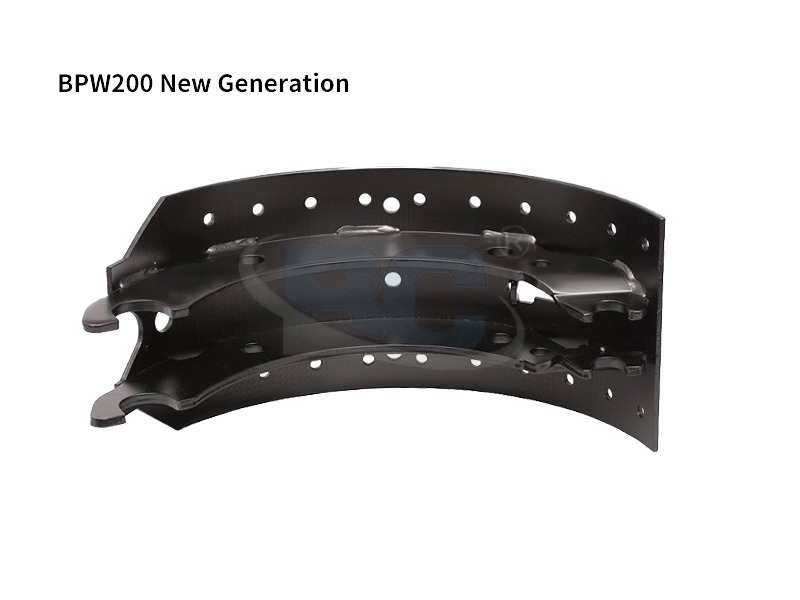 0509127830 BPW200 New Generation Brake Shoe for Modern AxlesThis 420x200mm brake shoe with 20 rivet holes is designed for BPW200 new-generation axles, offering precise geometry for proper contact patch and heat dissipation in heavy-duty braking.View Product →
Construction type also matters. Rolled steel brake shoes flex predictably and suit linehaul work; casted brake shoes carry more mass, absorb heat differently, and are specified for high-heat or severe service. Substituting one for the other changes the stiffness of the foundation brake and alters lining wear patterns.
Steel brake shoe
- Predictable flex and fatigue behavior
- Consistent quality at high production volume
- Well matched to linehaul and regional operation
Casted brake shoe
- Higher mass for heat absorption
- Stable arch under repeated heavy braking
- Often specified for construction and high-load service
Lining Grade, Thickness, and Attachment Method
Friction material grade decides whether a geometrically correct shoe stops a truck predictably or fades on the next downgrade.
Edge codes FF and GG define the coefficient of friction window of the lining. An FF lining is common in European trailer applications; a GG lining generates more friction and will upset brake balance if fitted where FF was specified. Same profile, same FMSI, different stopping force per unit of air pressure.
Lining thickness is the second variable. Heavy-duty linings are supplied at 18 to 22 mm. Extra lining extends service life but consumes stroke; on a drum already at maximum regrind diameter, a thicker lining can push the shoe into the drum before the adjuster compensates, producing drag and localized overheating.
Real-world fleet benchmarks; actual mileage varies with gross weight, terrain, and adjustment frequency.
Attachment method completes the field. Riveted linings ease replacement and inspection; bonded linings provide more usable friction material and quieter contact. State which one you need at ordering, because it changes total thickness and the service procedure.
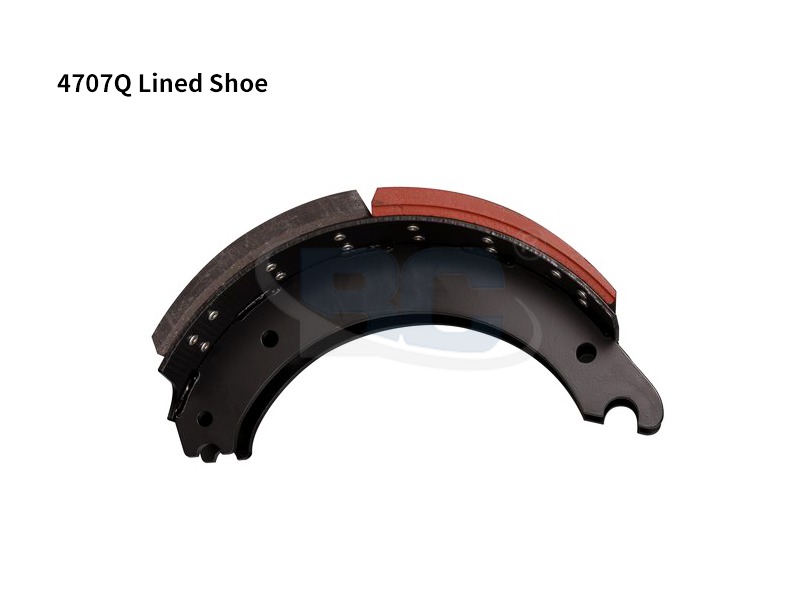 4707Q Lined Brake Shoe for 16.5x7 Inch AxlesA lined brake shoe with 32 rivet holes, sized 16.5x7 inches, matching OE numbers 152.24724 and 3222 D 2006. Ideal for applications requiring reliable lining attachment and easy service.View Product →
The Generation Trap: Old versus New Platforms
Axle generation is the most overlooked compatibility factor, because it is invisible in the FMSI number and in many aftermarket catalogs.
BPW introduced new-generation shoes with revised web geometry and lining radii on the same 200 series axle. Old and new shoes do not share the same drum contact. The same situation exists on Volvo VL225, SAF, and MAN platforms, where old-generation and new-generation labels in OE parts systems are not interchangeable.
State the generation in every line item. If you are unsure, measure the old shoe's web thickness and anchor pin center distance before ordering. Bangchi published an engineering analysis of dimensional tolerances and structural integrity for 4515Q brake shoes in heavy-duty axle systems for technicians facing this exact situation.
Read the 4515Q brake shoe tolerance analysisExample. A new-generation VL225 lined shoe on an old-generation axle can reduce effective lining contact by roughly one-third, because the web positions the lining arc away from the drum center. Fleets with mixed trailers must track axle generations in asset records, not just truck model years.
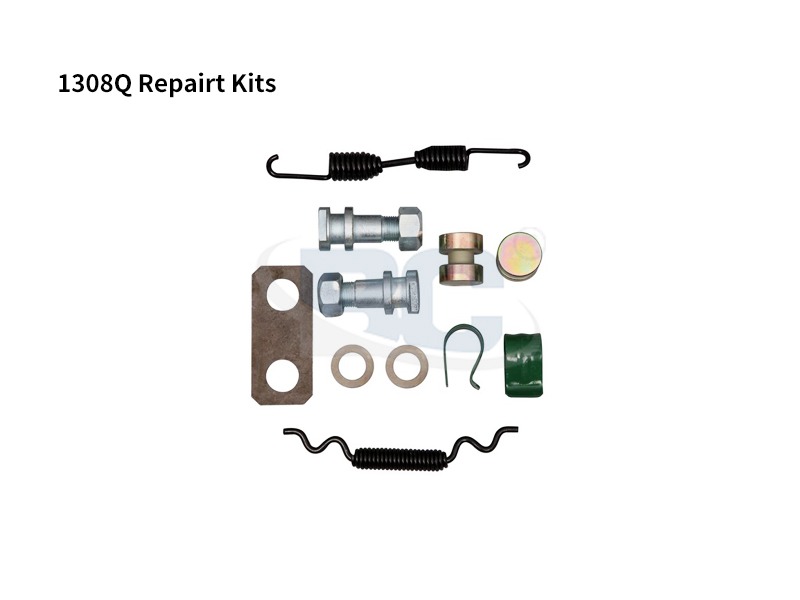
 BPW New Generation Brake Shoe Repair KitComplete repair kit tailored for BPW new-generation brake shoes, ensuring correct fitment on updated axle generations. Helps avoid the contact patch loss seen with mismatched old-generation components.View Product →
A Five-Step Verification Protocol Before You Order
Five checks performed before the purchase order goes out will eliminate nearly all brake shoe fitment risk for trucks, trailers, and buses.
- Read the FMSI number off the existing shoe table. Do not rely on the parts catalog sticker, which may have been written over by a previous repair.
- Measure the drum inner diameter at three points. Compare it with the maximum regrind diameter and the replacement lining O.D.
- Identify the axle family and generation. Record the axle tag number, anchor pin center distance, and web thickness of the old shoe.
- Confirm the actuation type. Air and oil actuated versions are not interchangeable on platforms such as Hino and Nissan.
- Specify friction grade, thickness, and attachment. State riveted or bonded, and whether a wear indicator is required.
This protocol protects inventory as well. Fleets that ignore generation differences end up carrying dead stock for both old and new platforms. A manufacturer that cross-references OE numbers against FMSI codes reduces that risk at the source.
Zhejiang Bangchi Auto Parts Co., Ltd. runs an IATF 16949-certified production line with an annual capacity of two million brake shoes, covering steel brake shoes, casted brake shoes, brake linings, lined brake shoes, and repair kits. Confirming fitment before ordering is routine there, which is exactly the kind of verification that prevents the rework scenario from the opening of this article.
Read the Bangchi company profile and quality certificationBrake Shoe Compatibility FAQ
What happens if the brake shoe FMSI number does not match the drum profile?
A mismatched FMSI reduces the lining contact patch, produces tapered or uneven wear, raises drum surface temperature, and shortens lining and drum life. In severe cases the brake fades on repeated stops because only part of the lining carries the load.
Can a casted brake shoe replace a steel brake shoe on the same axle?
Only if the casted shoe reproduces the same base radius, web thickness, anchor pin spacing, and lining thickness as the steel shoe. The extra mass of a casted shoe works well in high-heat service, but it must fit the same dimensional envelope and run against the same drum finish.
How do I know whether my BPW axle is old generation or new generation?
Compare the original shoe web thickness and anchor pin center distance with the OE drawing, or check the axle identification plate against the BPW parts system. When in doubt, send the supplier photos and measurements before ordering.
Do lined shoe kits include all hardware for a full heavy-duty brake service?
Yes. A lined shoe kit from a full-range manufacturer such as Bangchi pairs pre-assembled lined brake shoes with the springs, washers, and adjustment components needed to finish the wheel end without hunting for hardware across multiple suppliers.