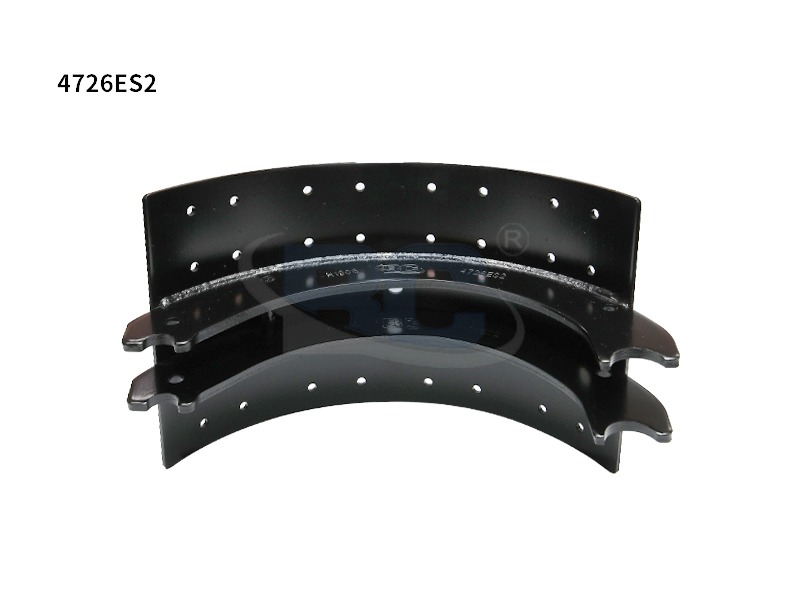
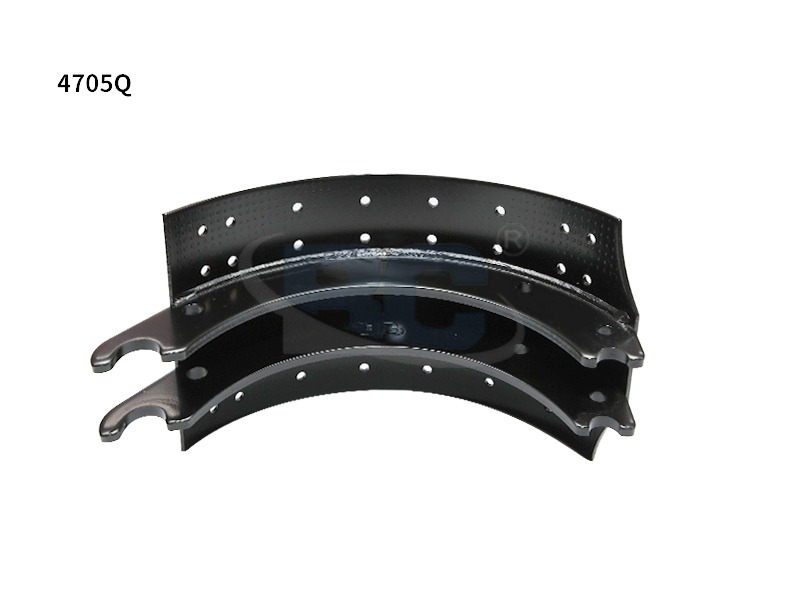
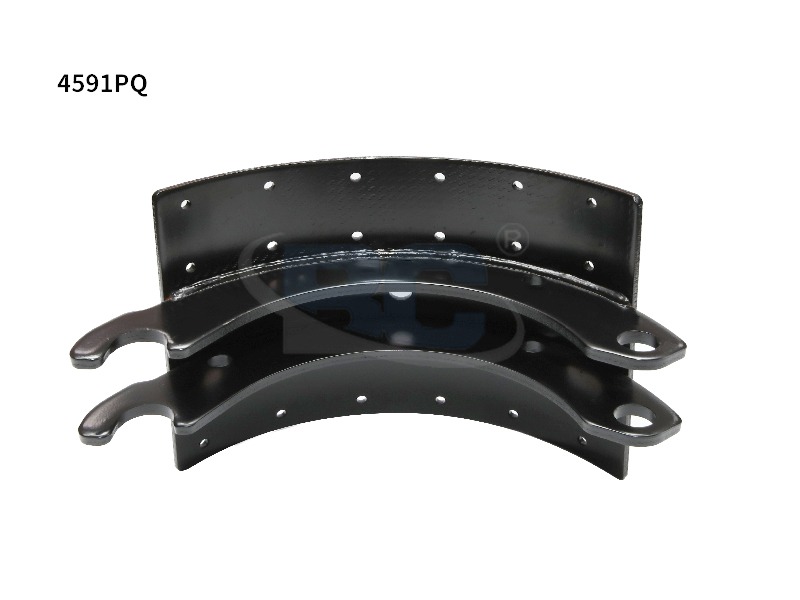
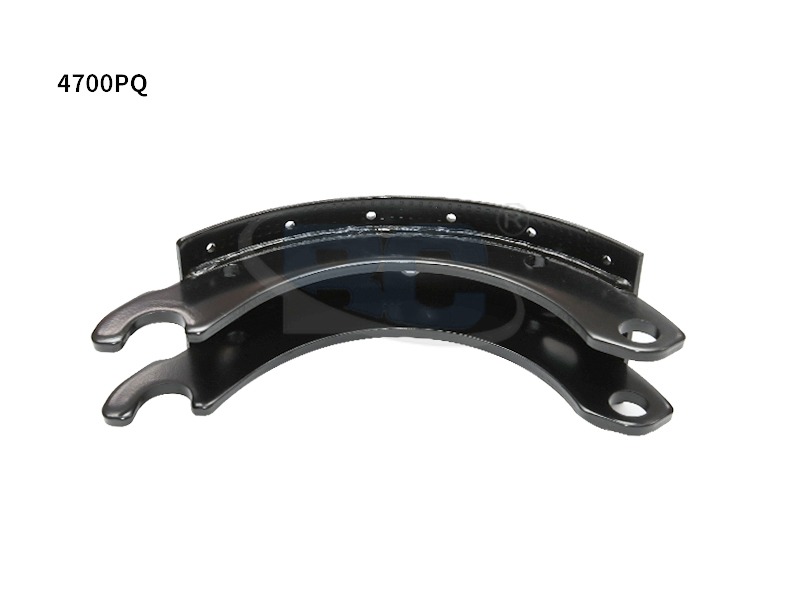
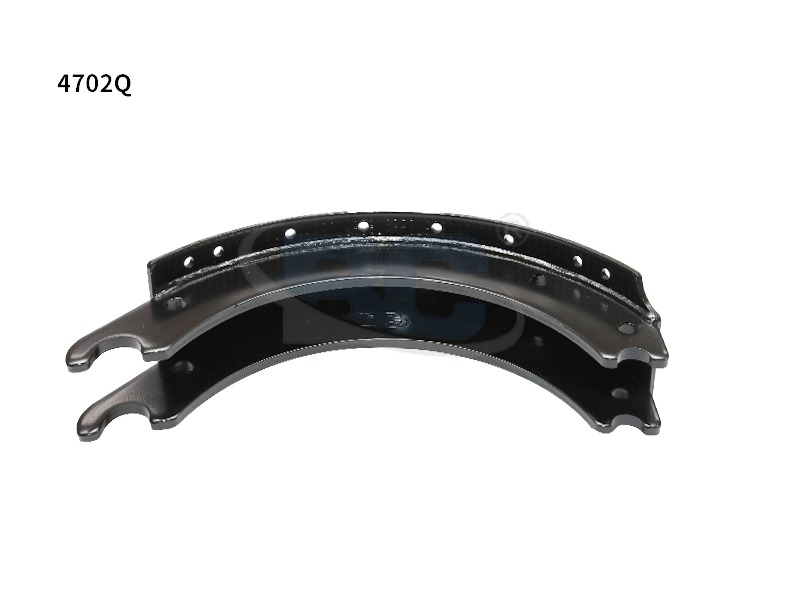
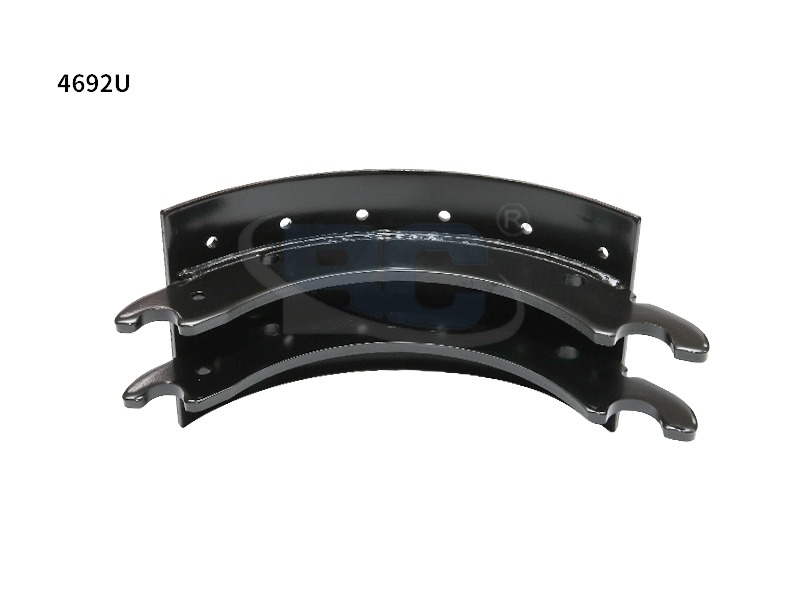
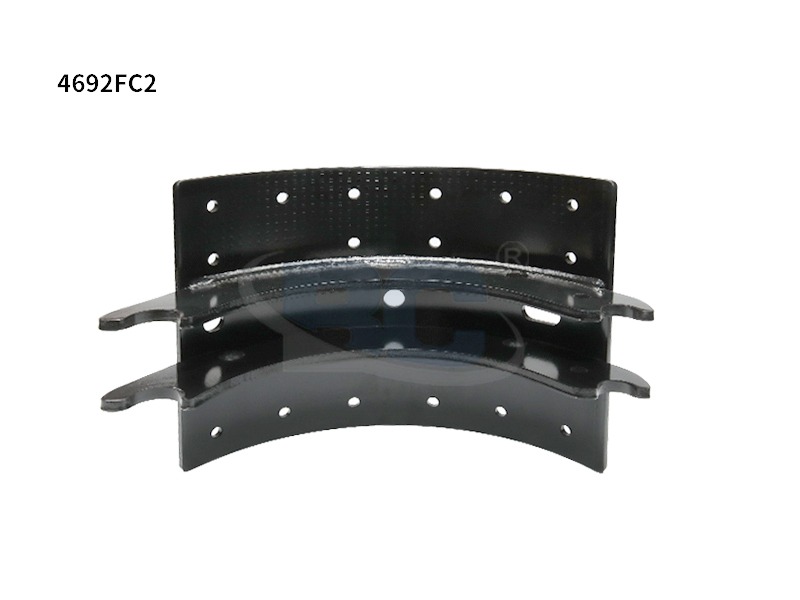
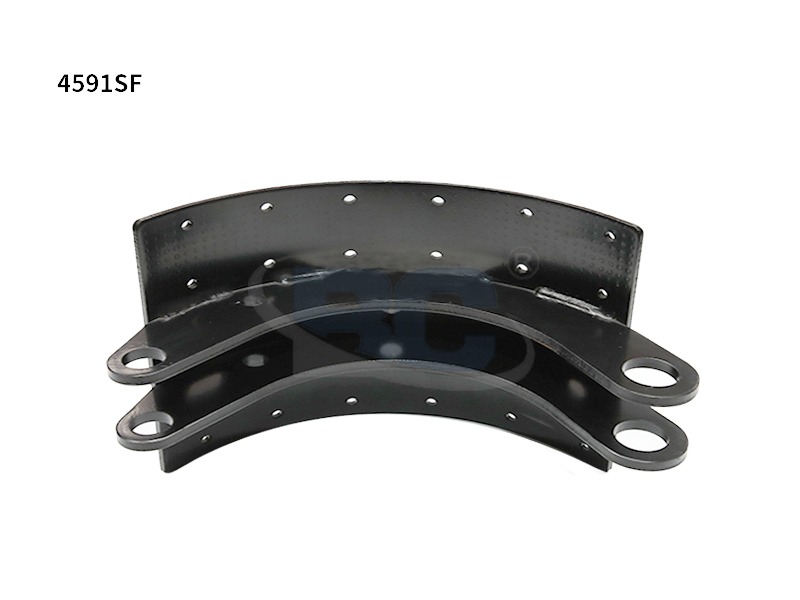
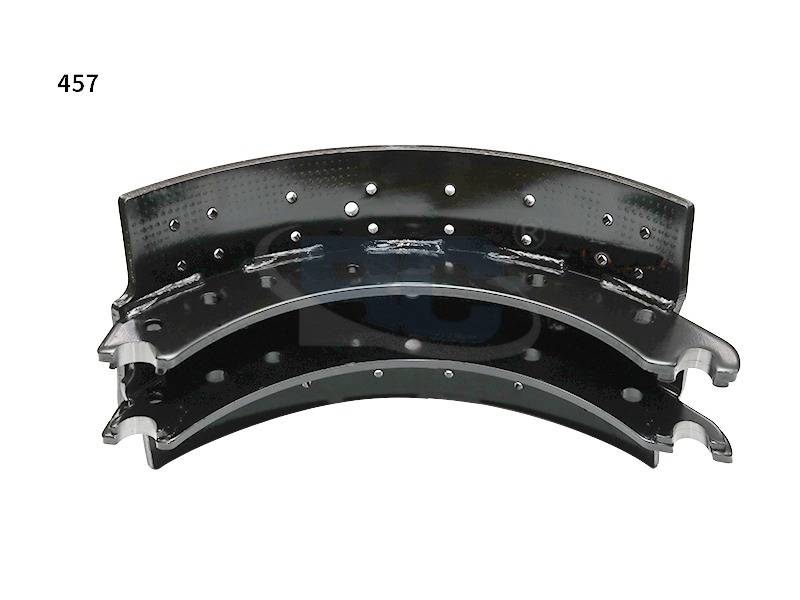
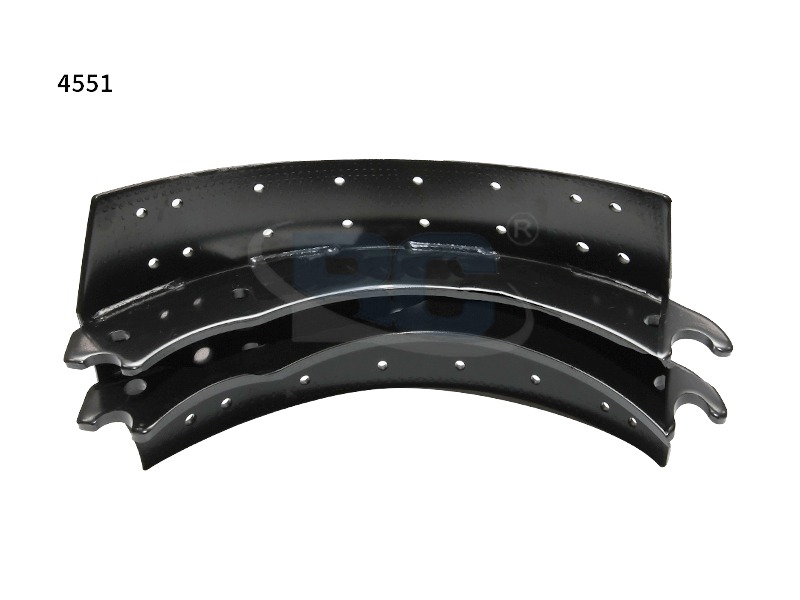
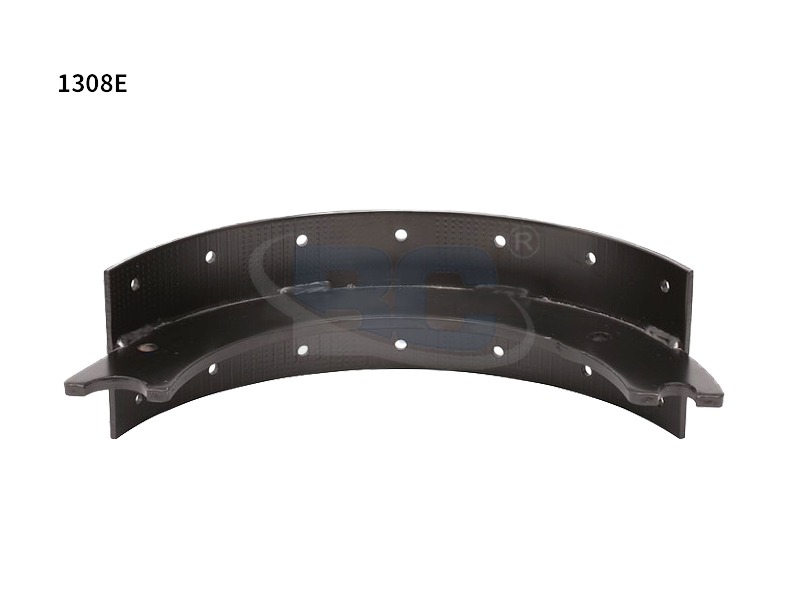
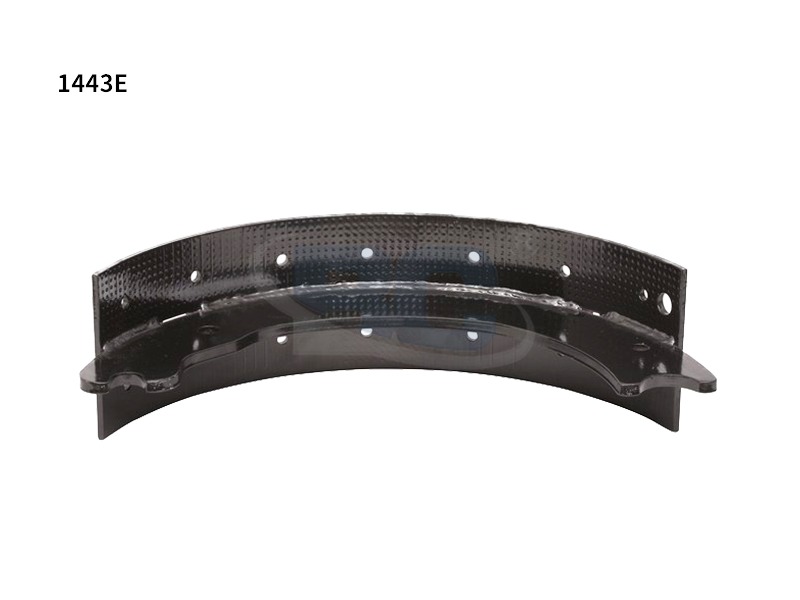
Wholesale Steel Auto Brake Shoe

Home / Products / Steel Brake Shoe

ALL products

Steel Heavy Duty Brake Shoes Suppliers

about Zhejiang Bangchi

ZHEJIANG BANGCHI AUTO PARTS CO.,LTD IS AN EXPERT IN AUTO PARTS MANUFACTURING INDUSTRY

Zhejiang Bangchi Auto Parts Co., Ltd. is a China Steel Heavy Duty Brake Shoes Suppliers and Wholesale Steel Auto Brake Shoe Factory, with more than 20 years of experience in the brake products industry. We can improve our product quality constantly by strict management and under the rules of the IATF 16949 quality system and the FMSI part number system. The goal of the FMSI standard is to provide performance data for aftermarket brake parts based on the approved Friction Materials Standards Institute specifications. It is important for your aftermarket products to also follow the same quality standards as your OEM products. For instance, all friction material components must be designed to comply with the same part numbering system. Our customers can rest assured that purchasing your products and installing them will be uniform and consistent. With an annual capacity of over 3 million pcs of brake shoes, we also offer steel brake shoes.

honor certificate

ZHEJIANG BANGCHI AUTO PARTS CO.,LTD IS AN EXPERT IN AUTO PARTS MANUFACTURING INDUSTRY

News Center

  • 4710Q Brake Shoe: Specs, Fitment & Installation Guide

  • RW9/13 Brake Shoe: Specs, Applications & Fitting Guide

  • 4711Q Brake Shoe Technical Specifications and Application Guide

  • 4720Q Brake Shoe Technical Guide: Specs, Materials & Benefits

Steel Brake Shoe Industry Knowledge

Why Web Thickness and Profile Design of Steel Heavy Duty Brake Shoes Directly Affect Braking Stability and Noise Reduction

The web thickness and profile geometry of steel heavy duty brake shoes are not merely structural details—they are critical determinants of braking performance. A thicker web provides greater rigidity under load, while an optimized profile minimizes stress concentrations and vibration. Zhejiang Bangchi Auto Parts Co., Ltd., founded in spring 2016, brings over 20 years of team expertise in brake products. As a specialist in R&D, manufacturing, and sales of heavy duty brake shoes & lined shoes, Bangchi operates a production line with a capacity of 2 million brake shoes and exceeds an annual turnover of 100 million RMB, ensuring precision engineering in every steel heavy duty brake shoe.

1. Web Thickness: Rigidity vs. Elasticity Balance

  • Braking stability: A thicker web (e.g., 6mm vs. 4mm) reduces flex under hydraulic or pneumatic pressure, maintaining consistent lining-to-drum contact. Reduced flex prevents grabby or delayed braking response.
  • Noise reduction: Thicker webs dampen high-frequency vibrations that cause brake squeal. Insufficient thickness allows resonant vibrations to amplify, producing noise above 80 dB.
  • Bangchi's standard web thickness for heavy-duty applications is 5mm – 7mm, optimized through IATF 16949-controlled processes.

2. Profile Design: Stress Distribution and Contact Geometry

  • Web profiles with smooth radius transitions reduce stress risers, preventing cracks near the anchor pin hole and web-foot junction.
  • A well-designed profile ensures that the brake lining wears evenly across its surface. Uneven profile leads to tapered lining wear, causing pulsation and noise.
  • Bangchi uses CAD-optimized profiles with finite element analysis (FEA) to validate each design before mass production.

3. Combined Effect on Braking Performance

  • Thicker web + optimized profile → higher torsional stiffness → less angular deflection under load → predictable pedal feel and shorter stopping distances.
  • Poor web design (thin or sharp-cornered) causes micro-flexing, which translates into irregular friction force oscillations — directly linked to low-frequency judder and high-frequency squeal.

Parameter Comparison: Web Thickness & Profile Impact on Braking Stability and Noise

Parameter Optimal Design (Bangchi Standard) Poor Design (Thin / Sharp Profile)
Web Thickness (for heavy duty, 10–25t axle load) 5.0mm – 7.0mm 3.0mm – 4.0mm
Web Profile Radius (at stress concentration points) R8 – R12 mm (smooth transition) Sharp corner (R < 2mm) or no radius
Braking Stability (coefficient of variation of braking force) < 8% variation 15% – 25% variation
Noise Level (peak during heavy braking) 65 – 75 dB (no squeal) 85 – 105 dB (squeal & judder present)
Risk of Web Cracking (after 200,000 km simulation) < 0.5% 12% – 18%
Lining Wear Uniformity (across shoe length) ±0.3 mm variation ±1.2 mm variation (tapered wear)

With a management team of over 20 people and strategic cooperation with many well-known domestic and overseas manufacturers and OEM customers, Zhejiang Bangchi Auto Parts Co., Ltd. ensures that every steel heavy duty brake shoe meets rigorous web thickness and profile standards. This engineering focus directly translates into superior braking stability and significant noise reduction for commercial fleets.

FAQs

  • Q1: How does Zhejiang Bangchi Auto Parts Co., Ltd. control web thickness consistency across 2 million annual brake shoe production?
    A: Zhejiang Bangchi Auto Parts Co., Ltd. employs precision stamping dies with in-process laser thickness monitoring. Every batch undergoes IATF 16949-mandated capability studies (Cpk ≥ 1.33). Their 20+ years of brake product experience ensures that even at 2 million units/year, web thickness tolerance stays within ±0.15mm.
  • Q2: Can a steel heavy duty brake shoe with thin web be used temporarily if noise and stability are not critical?
    A: While possible, Zhejiang Bangchi Auto Parts Co., Ltd. strongly advises against it. Thin web shoes flex more, causing accelerated lining wear and unpredictable brake grab. Bangchi's field data shows that thin-web shoes reduce brake lining life by up to 40% and increase stopping distance by 15% in loaded conditions. Always choose a properly designed steel heavy duty brake shoe for safety.
  • Q3: What specific profile design features does Bangchi use to reduce brake noise in heavy trucks?
    A: Zhejiang Bangchi Auto Parts Co., Ltd. integrates three noise-reducing profile features: 1) gradual radius transitions at the web-to-rim junction, 2) asymmetric web lightening holes to disrupt resonant frequencies, and 3) precision-matched contact surfaces for the brake lining. Combined with strict quality rules under IATF 16949, Bangchi's designs achieve noise levels below 75 dB in SAE J2521 tests.

Why Steel Auto Brake Shoes Require Precise Dimensional Tolerance Control to Prevent Dragging and Uneven Wear in Passenger Car Braking Systems

In passenger car braking systems, even minor deviations in the dimensions of a steel auto brake shoe can lead to significant performance issues. Dragging occurs when a brake shoe fails to fully retract, causing continuous friction and overheating. Uneven wear results from inconsistent contact between the lining and drum. Zhejiang Bangchi Auto Parts Co., Ltd., founded in spring 2016, brings over 20 years of team expertise in brake products. As a specialist in R&D, manufacturing, and sales of heavy duty brake shoes & lined shoes, Bangchi operates a production line with a capacity of 2 million brake shoes and exceeds an annual turnover of 100 million RMB. While focused on heavy-duty applications, Bangchi's precision engineering principles apply directly to any steel auto brake shoe, ensuring passenger car safety and comfort.

1. Dimensional Tolerance and Brake Drag Mechanism

  • Web width tolerance: Excessive web width (+0.3mm) can wedge the shoe against the anchor pin, preventing full retraction after brake release, resulting in constant drag.
  • Shoe arc radius mismatch: If the brake shoe's outer radius differs from the drum's inner radius by more than ±0.5mm, residual friction keeps the lining in partial contact, generating heat and drag.
  • Lining platform parallelism: Uneven platform thickness (variation >0.2mm) causes one side of the lining to contact the drum earlier, creating localized drag and accelerated wear.

2. Impact on Uneven Wear Patterns

  • Web centerline deviation: If the web is not perfectly centered (offset >0.4mm), the applied force becomes asymmetrical, leading to taper wear across the lining width.
  • Flange perpendicularity error: When the brake shoe flange is not perpendicular to the web (tilt >0.5°), the lining contacts the drum at an angle, causing edge loading and rapid localized wear.
  • Anchor hole position tolerance: Anchor hole misalignment beyond ±0.3mm alters the shoe's pivot point, creating uneven sliding contact and accelerated wear on one side of the lining.

3. System-Level Consequences of Loose Tolerances

  • Dragging increases fuel consumption: A dragging brake shoe can raise rolling resistance by 5–10%, reducing fuel economy by 1–2 mpg in passenger cars.
  • Uneven wear reduces brake life: Premature lining replacement (as early as 15,000 km instead of 50,000 km) increases maintenance costs.
  • Heat buildup causes brake fade: Continuous drag elevates drum temperatures beyond 300°C, degrading friction material and leading to dangerous brake fade.

Parameter Comparison: Tight vs. Loose Dimensional Tolerances for Steel Auto Brake Shoes

Tolerance Parameter Precision Control (Bangchi Standard) Loose Control (Problematic Range)
Shoe Arc Radius Tolerance (relative to drum radius) ±0.3mm ±0.8mm or more
Web Width Tolerance (at anchor contact area) -0.05mm / +0.10mm -0.10mm / +0.40mm
Lining Platform Parallelism (over full length) ≤0.15mm ≥0.35mm
Anchor Hole Position Tolerance (center to center) ±0.20mm ±0.50mm
Web Perpendicularity to Flange ≤0.3° ≥0.8°
Risk of Brake Dragging (field data) < 0.5% 8% – 15%
Lining Wear Life (passenger car, typical cycle) 45,000 – 55,000 km 15,000 – 25,000 km

With strict management under IATF 16949 quality system, Zhejiang Bangchi Auto Parts Co., Ltd. applies these precision standards to every steel auto brake shoe. Their management team of over 20 people and strategic cooperation with many well-known domestic and overseas manufacturers ensure that dimensional control is never compromised, directly preventing dragging and uneven wear.


FAQs

  • Q1: How does Zhejiang Bangchi Auto Parts Co., Ltd. measure and verify dimensional tolerances for steel auto brake shoes?
    A: Zhejiang Bangchi Auto Parts Co., Ltd. uses CNC coordinate measuring machines (CMM) and laser-based optical scanners to verify every critical dimension. Under IATF 16949 rules, Bangchi performs 100% inspection on web width, arc radius, and anchor hole position. With a production capacity of 2 million brake shoes annually, Bangchi maintains statistical process control (SPC) charts to ensure Cpk ≥ 1.33 on all tolerance parameters.
  • Q2: What is the most common tolerance failure that causes brake dragging, and how does Bangchi prevent it?
    A: The most common failure is excessive shoe arc radius mismatch (more than +0.6mm from drum radius). Zhejiang Bangchi Auto Parts Co., Ltd. prevents this by using precision-formed steel tooling with monthly verification against master gauges. Each steel auto brake shoe from Bangchi is tested on a profile comparator before packaging, ensuring arc radius stays within ±0.3mm of nominal.
  • Q3: Can a steel auto brake shoe with loose tolerances still be safe to use in a passenger car?
    A: Zhejiang Bangchi Auto Parts Co., Ltd. strongly advises against it. While the vehicle may still stop, loose tolerances cause unpredictable drag, uneven wear, and heat buildup that can lead to brake fade or drum cracking. Bangchi's 20+ years of brake product experience demonstrates that precision tolerances are not optional—they are essential for safety. Always choose a properly manufactured steel auto brake shoe from a reliable supplier like Bangchi.