 English
 简体中文
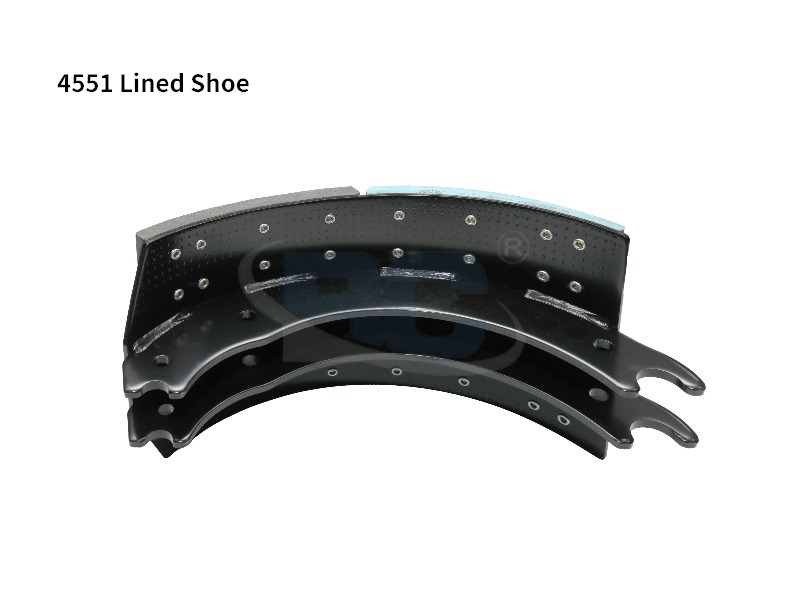
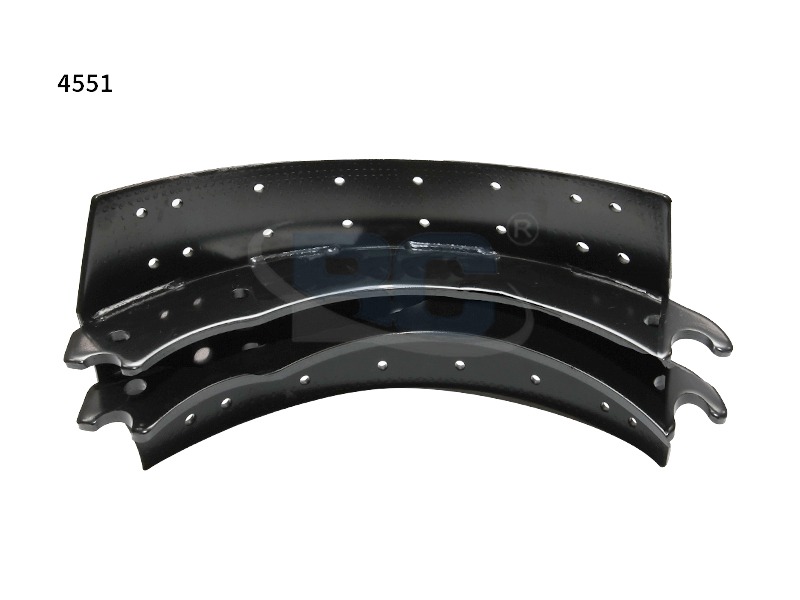
Heavy-duty drum brakes live or die on one working surface: the shoe that presses against the drum every time the driver hits the pedal. The 4551 Brake Shoe is built specifically for that job in commercial trucks, trailers, and fleet vehicles, where braking force has to stay consistent load after load, mile after mile. Here is what the part does, what it is made of, and how to tell when it needs replacing.
What a 4551 Brake Shoe Actually Does
Everything else about the part exists to make that single moment of contact reliable, thousands of times over, under load, heat, and vibration.
Core Functions in a Heavy-Duty Braking System
- 1
Generating braking force. Stable friction between lining and drum is what produces effective, predictable stopping force.
- 2
Supporting heavy-duty use. Strong structural design and durable lining hold up under high loads and frequent braking cycles.
- 3
Improving system reliability. Even drum contact and reduced vibration extend service intervals and support overall vehicle safety.
Construction and Materials
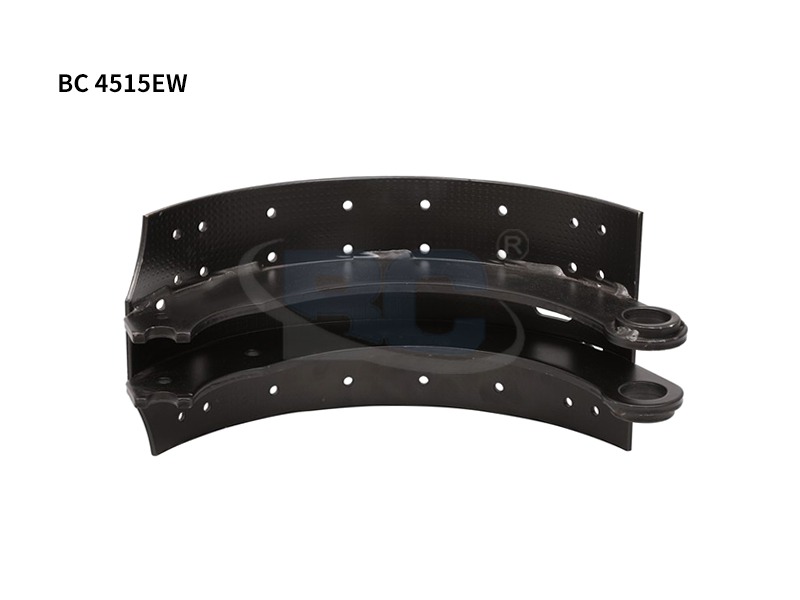
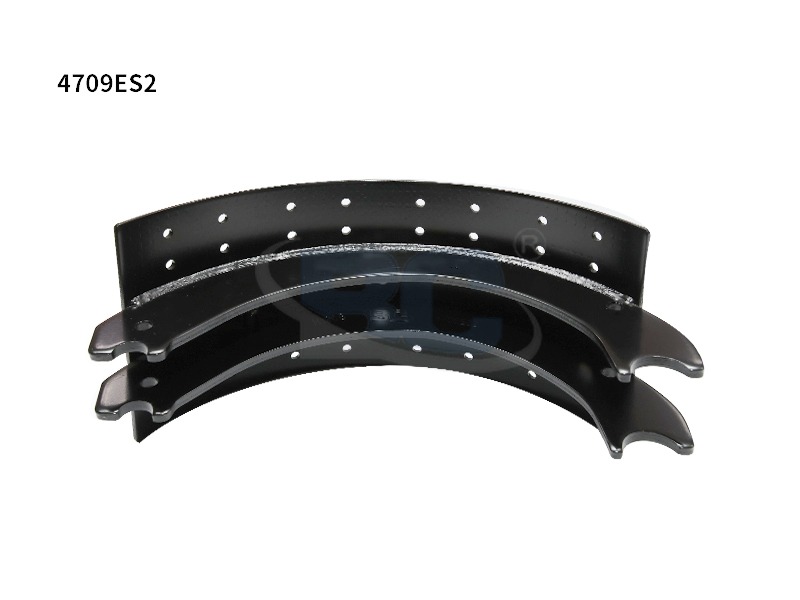
The shoe frame is typically formed from steel for mechanical strength and resistance to deformation under braking pressure. The friction lining, attached by riveting, bonding, or a combination of both, is the actual working surface, and its quality determines heat resistance, wear resistance, and how stable the friction coefficient stays over the life of the part.
Relative Performance by Property
Signs a Brake Shoe Needs Replacement
- Longer stopping distances or a noticeably slower brake response
- Squealing, grinding, or vibration coming from the drum during braking
- Uneven wear across the friction surface or poor drum contact
- Cracked lining, loose rivets, or a visibly bent shoe frame
How to Choose the Right Replacement
- Confirm the brake shoe model number, drum specifications, and axle system before ordering.
- Match the friction material to expected operating temperature, load, and braking frequency.
- Choose a manufacturer that can show accurate dimensions, a strong frame, and secure lining attachment.
4551 Brake Shoe vs Brake Pad
Drum and disc systems solve the same problem differently, and the hardware is not interchangeable between them.
| Feature | 4551 Brake Shoe | Brake Pad |
| Brake System | Drum brake | Disc brake |
| Contact Area | Inner brake drum surface | Brake rotor surface |
| Shape | Curved shoe design | Flat friction plate |
| Typical Use | Heavy-duty vehicles | Passenger and light commercial |
Why Precision Manufacturing Matters
Brake shoes are safety components, so dimensional accuracy is not optional. Precise manufacturing keeps drum contact even, balances braking force across the shoe, reduces vibration, and directly extends service life, which is exactly why material consistency and quality inspection matter as much as the raw specification.
Conclusion
A dependable 4551 Brake Shoe comes down to strong steel construction, durable friction lining, and consistent manufacturing quality. Matching the right specification to the vehicle and keeping up with regular brake inspections is what keeps heavy-duty braking systems safe and predictable over the long haul.
Frequently Asked Questions
How long does a 4551 Brake Shoe typically last?
Service life depends on load, braking frequency, and lining quality, but consistent squealing, grinding, or longer stopping distances are the clearest signal it is due for replacement regardless of mileage.
Can a 4551 Brake Shoe be used on any drum brake system?
No. The shoe model number and brake drum specifications need to match the specific vehicle and axle system before installation.
What is the difference between a brake shoe and a brake pad?
A brake shoe presses outward against the inside of a drum in a drum brake system, while a brake pad clamps against a flat rotor in a disc brake system.
Why does friction lining attachment method matter?
A secure attachment, whether riveted or bonded, prevents the lining from separating from the shoe frame during repeated heavy braking cycles.