 English
 简体中文
简体中文Drum brakes on a loaded truck or trailer only work as well as the shoe pressing against the drum. A 457 Brake Shoe is built specifically for that job — converting kinetic energy into heat, cycle after cycle, on commercial vehicles that can't afford inconsistent stopping power.
OverviewWhat a 457 Brake Shoe Is
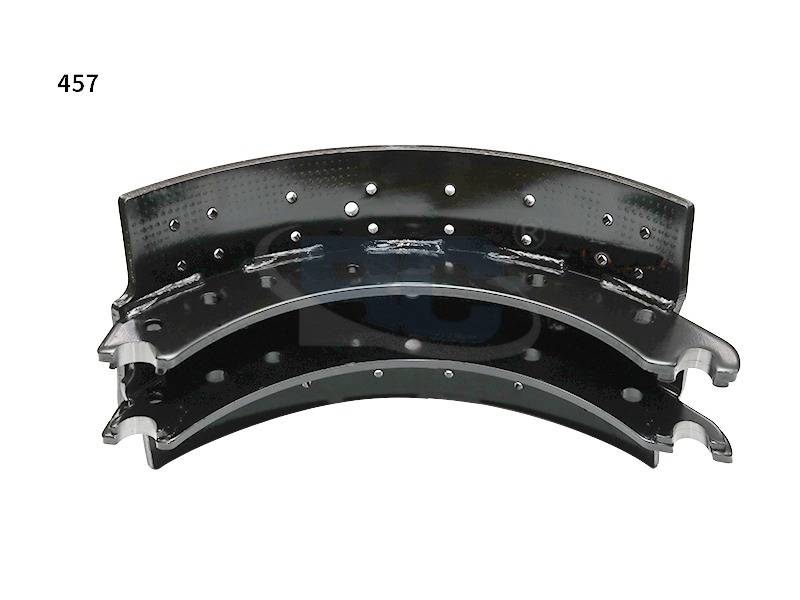
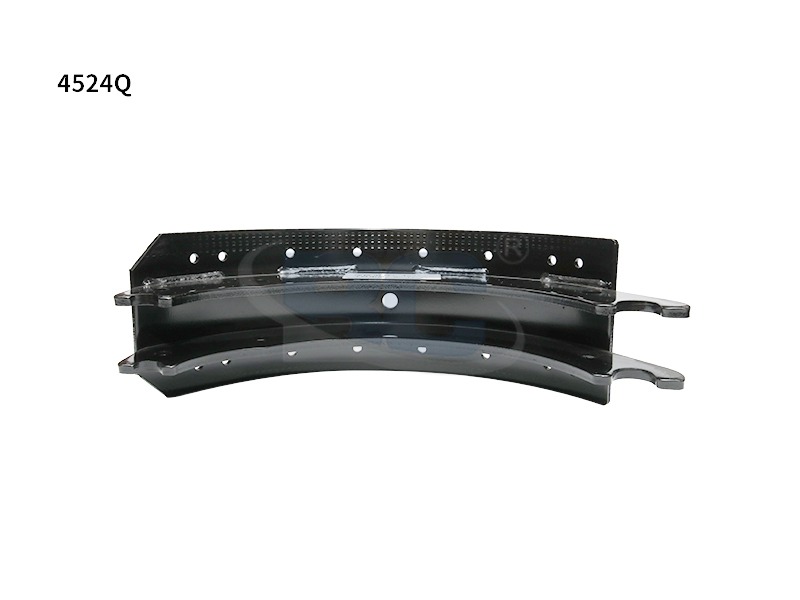
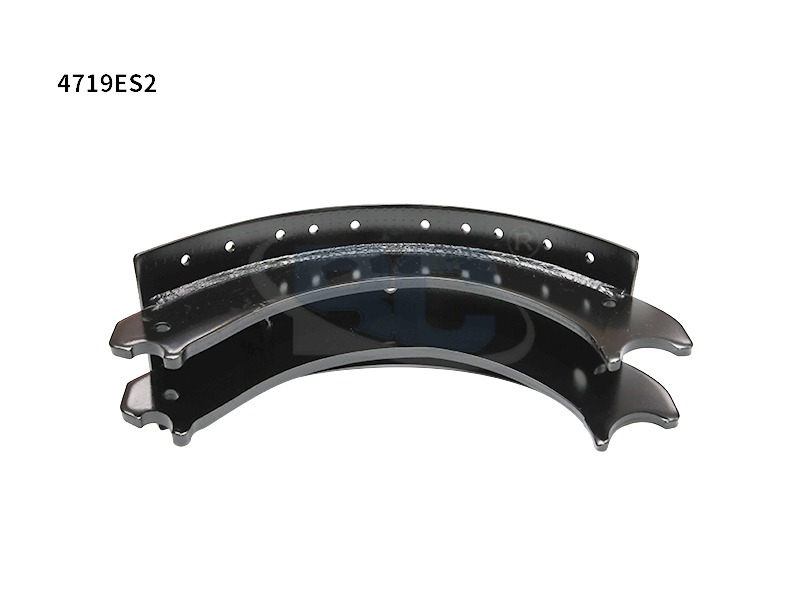
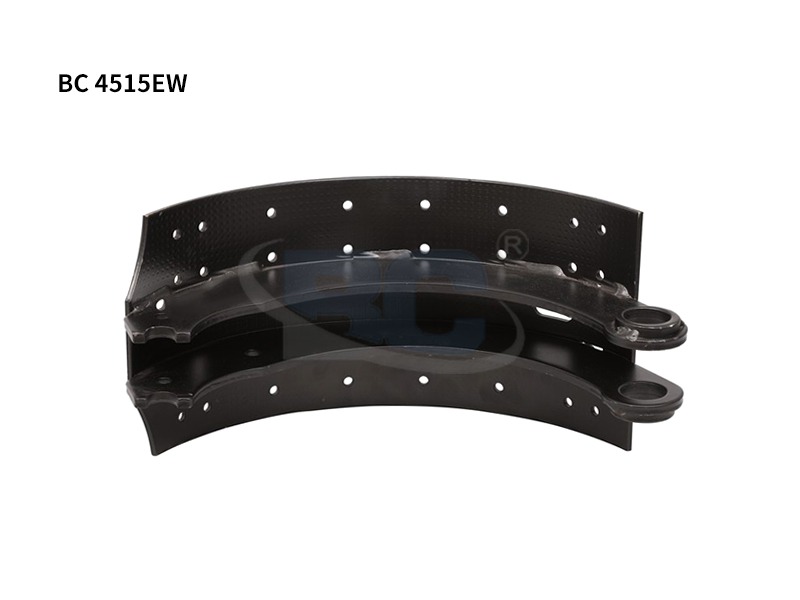
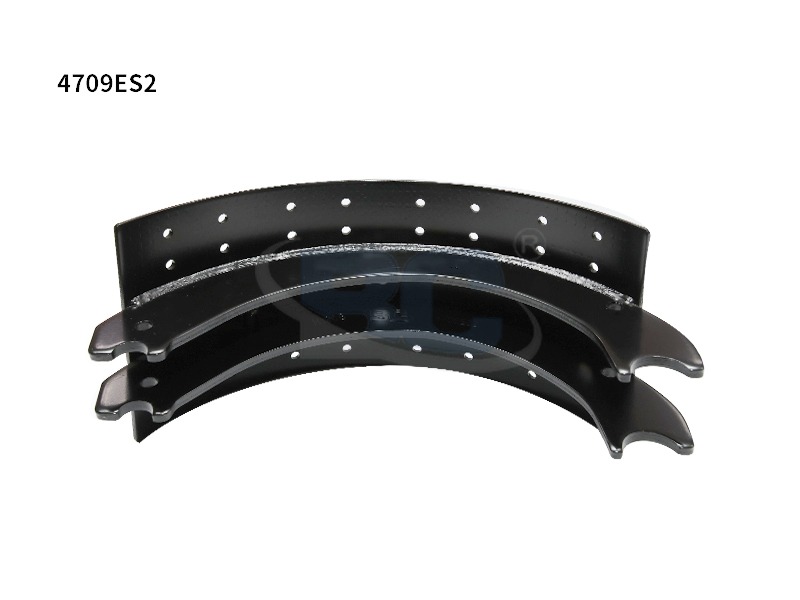
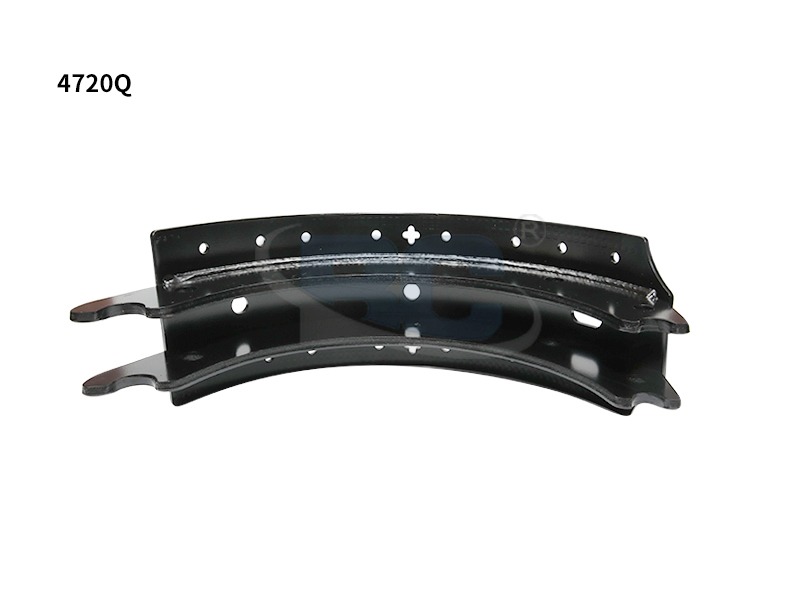
A brake shoe is a curved steel component with a friction lining, installed inside a drum brake system. When braking is activated, the shoe moves outward and presses the lining against the inner drum surface, generating the friction that slows the vehicle. A 457 Brake Shoe typically combines a steel shoe frame, friction lining, and a riveted or bonded attachment structure designed to survive repeated braking cycles.
FunctionWhat the Shoe Does During Braking
Generates Braking Friction
Delivers effective braking force with a stable friction coefficient and smooth response, especially under heavy loads.
Supports Heavy-Duty Use
Handles high payload conditions, frequent braking, and long-distance operation through durable construction.
Maintains System Reliability
Uniform drum contact and reduced vibration keep braking performance consistent over time.
ApplicationsWhere 457 Brake Shoes Are Used
These brake shoes are common in drum brake systems on heavy-duty trucks, trailer axle systems, fleet service vehicles, and industrial transportation equipment — applications that need to handle high mechanical loads, repeated braking cycles, and significant heat generation without losing effectiveness.
MaterialsConstruction and Friction Lining
The steel shoe frame provides mechanical strength and resists deformation, holding its shape through repeated braking. The friction lining is the working surface, formulated for heat resistance and wear resistance to maintain stable performance across operating conditions, and it's secured through riveting, adhesive bonding, or a combination of both.
Friction Lining Wear Resistance Rating (1-10)
Illustrative comparison; actual wear performance depends on duty cycle and lining formulation.
ProductionHow the Brake Shoe Is Manufactured
- 1Steel frame forming through stamping and press forming creates the curved drum-brake profile.
- 2Machining and surface processing set accurate dimensions and correct mounting positions.
- 3Friction lining installation through riveting or bonding secures reliable drum contact.
- 4Quality inspection checks dimensions, lining thickness, rivet quality, and surface finish.
AdvantagesWhy Fleets Choose 457 Brake Shoes
A properly manufactured 457 Brake Shoe delivers stable braking force, good wear resistance that reduces maintenance costs, and a strong steel frame built for long-term structural durability — the combination that makes it suitable for demanding commercial and industrial applications.
Warning SignsWhen It's Time to Replace the Shoe
- 1Reduced braking efficiency — longer stopping distance or weak brake response.
- 2Abnormal noise — squealing, grinding, or brake vibration.
- 3Uneven friction lining wear or poor drum contact on inspection.
- 4Visible damage — cracked lining, loose rivets, or a damaged shoe frame.
Braking Effectiveness Over Duty Cycles: New vs Worn Shoe
Illustrative trend; actual degradation depends on load, drum condition, and maintenance interval.
SelectionHow to Choose the Right 457 Brake Shoe
Start by confirming brake shoe model number, brake drum specifications, and axle system requirements — correct matching is what makes proper installation possible. From there, select a friction material rated for the expected heat and wear exposure, and prioritize manufacturing quality: accurate dimensions, a strong structure, and secure lining attachment all directly affect service life.
457 Brake Shoe vs Brake Pad
| Brake System | Drum brake | Disc brake |
| Contact Surface | Inner brake drum | Brake rotor |
| Shape | Curved structure | Flat plate design |
| Common Use | Heavy-duty and commercial vehicles | Passenger and light commercial vehicles |
Brake shoes are safety-critical components — dimensional precision directly affects drum contact, balanced braking force, and how long the vehicle stays safely on the road.
For fleets and repair shops sourcing a 457 Brake Shoe, confirming manufacturing precision and lining quality upfront avoids uneven wear and premature replacement down the line.
Frequently Asked Questions
How long does a 457 brake shoe typically last?
Service life depends on load, duty cycle, and lining material, but heavy-duty and premium linings generally outlast standard linings under the same conditions.
Can a 457 brake shoe be used on any drum brake system?
No — always confirm the model number and brake drum specifications match your vehicle's axle system before installation.
What causes uneven wear on a brake shoe?
Poor drum contact, misalignment, or inconsistent lining attachment can all lead to uneven friction lining wear over time.
Is a brake shoe the same as a brake pad?
No — brake shoes work inside drum brake systems against the drum's inner surface, while brake pads are flat components used in disc brake systems.