 English
 简体中文
简体中文A Class 8 truck at 80,000 lb gross weight, descending a 6% grade, can push drum temperatures past 400 degrees C, right where conventional organic linings begin to fade. That operating limit, combined with copper-content regulations, electric-powertrain duty cycles, and telematics-driven maintenance, is forcing brake friction technology to change faster than it has since air brakes became standard equipment.
Brake friction technology is the combination of friction materials, shoe or pad architecture, and wear-sensing systems that converts kinetic energy into controlled heat. The next generation is defined by three shifts at once: materials are becoming regulatory-compliant, shoes are becoming sensor-ready, and assemblies are becoming modular.
Wear Sensing Turns Brake Shoes into Data Points
Embedded wear indicators are becoming a standard specification for heavy-duty brake shoes, because a scheduled 30-minute inspection on a lift costs far less than a scored drum and an unplanned roadside stop.
Telematics platforms now track residual lining thickness when shoes carry visible or electronic wear signs. Once the lining reaches roughly 3.2 mm on air-braked trucks, the system schedules replacement before the drum is damaged. For a 500-truck fleet, that shift alone reduces brake-related downtime and parts spend, because drums represent a large share of every brake repair.
Wear-sign design is therefore moving from a novelty to a required feature. Field guidance on wear-sign replacement for heavy-duty brake shoes already shows fleets how to read indicators on platforms such as the 4591PQ, while manufacturers pair shoe structural integrity with a 4709ES2 steel brake shoe that holds its geometry as the lining wears.
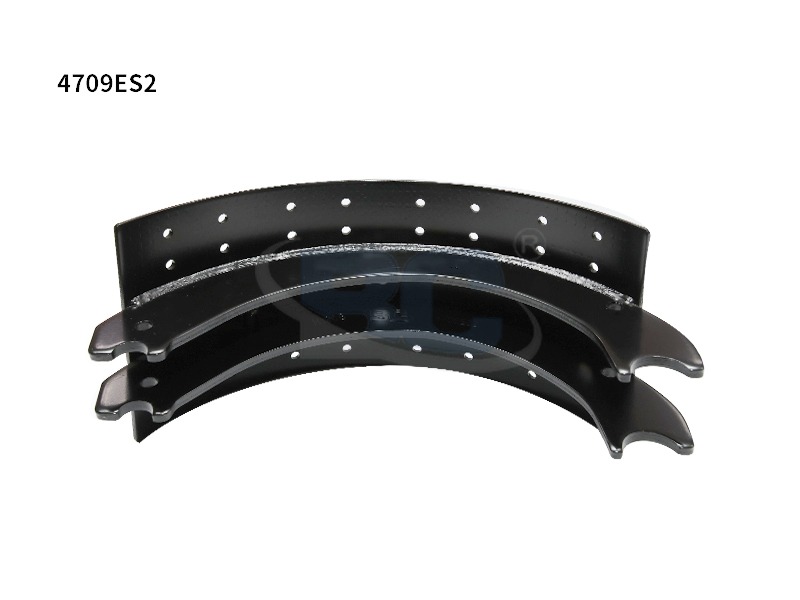 Custom 4709ES2 Brake Shoe OEM Manufacturers, Exporter, CompanyZhejiang Bangchi Auto Parts Co., Ltd. Is China Custom 4709ES2 Brake Shoe OEM Manufacturers, Exporter, Company, Part Number:4709ES2 Produc...View Product →
Copper-Free Chemistry Becomes the Compliance Baseline
Regulatory deadlines, not marketing preference, are driving the largest material shift in drum brake friction. Copper content in brake friction materials sold in the United States had to fall below 5 percent by 2021 and must drop below 0.5 percent by 2025 under the California/EPA copper-free initiative.
Copper was prized for its thermal conductivity and high-temperature stability, so removing it forced chemists to reformulate with ceramic fibers, aramid pulp, and new resin binders. The result is a generation of low-dust, low-noise linings that no longer trade compliance for stopping power. Europe's REACH framework and similar Asian roadworthiness rules are pushing in the same direction.
| Material family | Typical composition | Heat tolerance | Wear and dust profile | Common heavy-duty use |
| Resin-bonded organic | Rubber, graphite, aramid fiber | ~250 degrees C | Comfortable friction, faster wear | Light trucks and trailers |
| Low-metallic | Steel and copper fibers in resin | ~350 degrees C | Strong bite, higher dust output | Regional and vocational trucks |
| Semi-metallic | High steel content, graphite | ~400 degrees C | Stable at high temperature, harder on drums | Class 8 linehaul fleets |
| Ceramic hybrid | Ceramic fibers, copper-free binder | ~400 degrees C | Low dust, low noise, corrosion-resistant | Urban and EV-compatible applications |
| Copper-free | Aramid, ceramic, new resin systems | ~380 degrees C | Matches copper-era life in most duty cycles | Compliance-driven fleets |
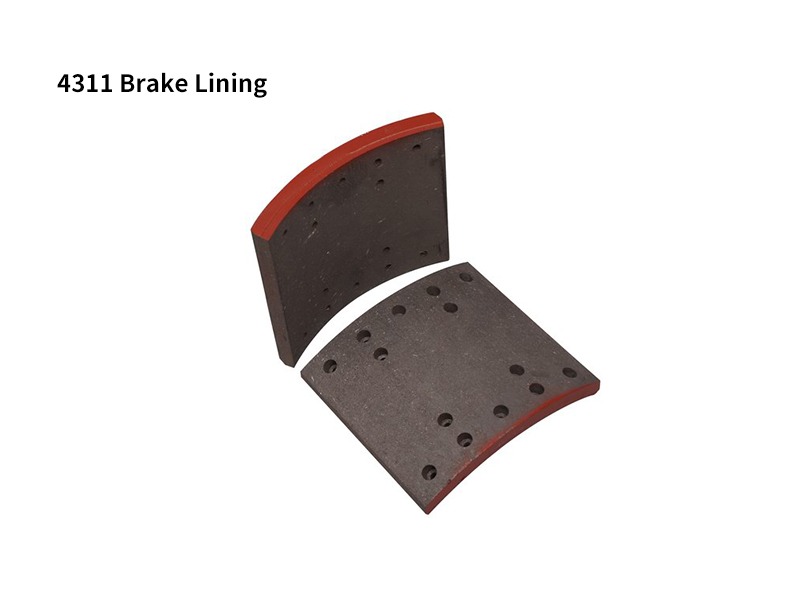
For buyers, the practical test is whether a lining holds its friction coefficient across temperature and wear cycles. A 4709 heavy-duty brake lining built around these formulations gives fleets a direct path from FMSI part number to verified performance, without keeping a separate copper-era inventory.
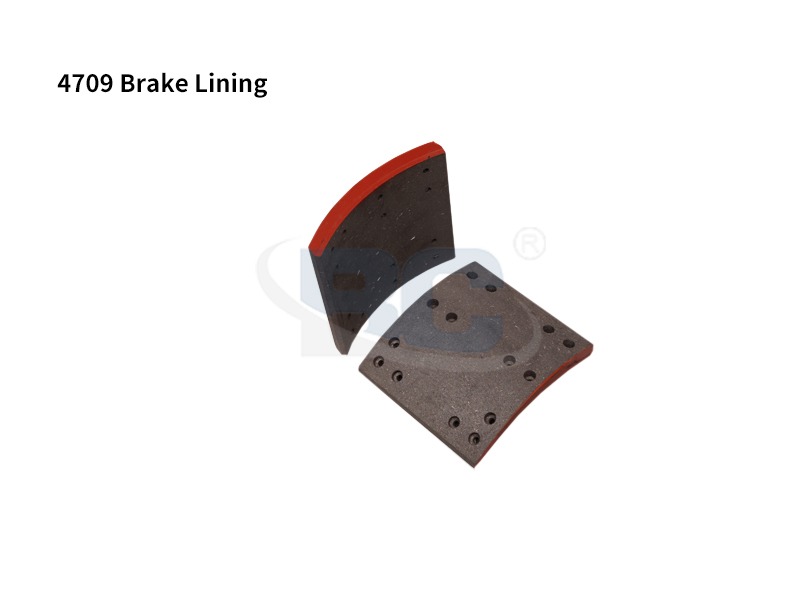 Custom 4709 Brake Lining OEM Manufacturers, Exporter, CompanyZhejiang Bangchi Auto Parts Co., Ltd. Is China Custom 4709 Brake Lining OEM Manufacturers, Exporter, Company, Part Number:4707 Brake Lini...View Product →
Modular Pre-Lined Assemblies and FMSI Traceability
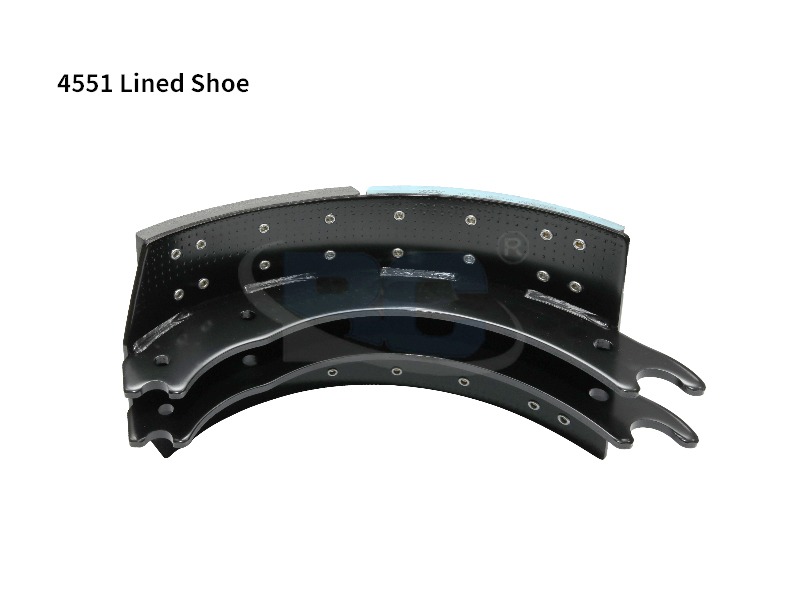
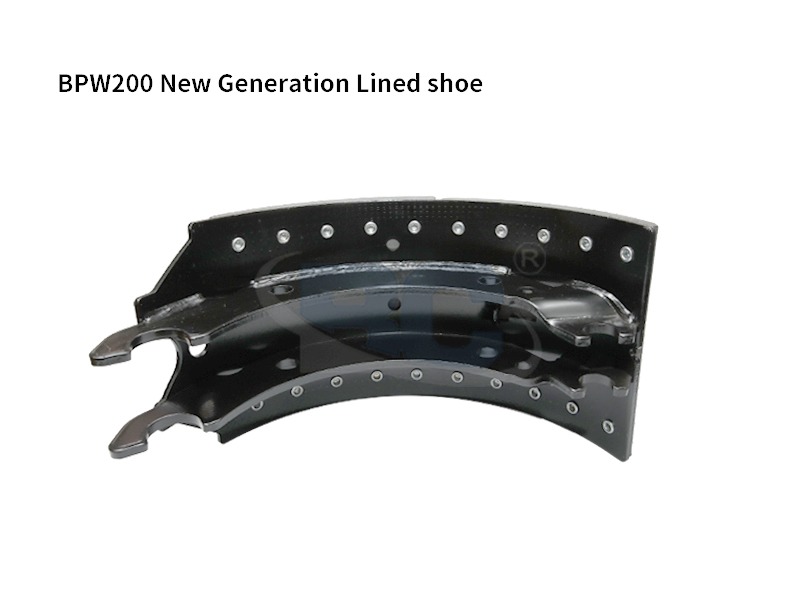
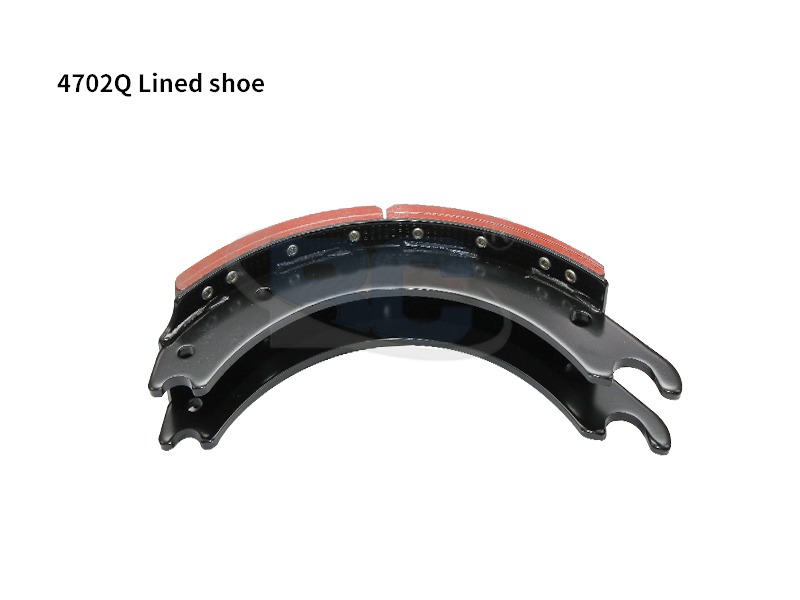
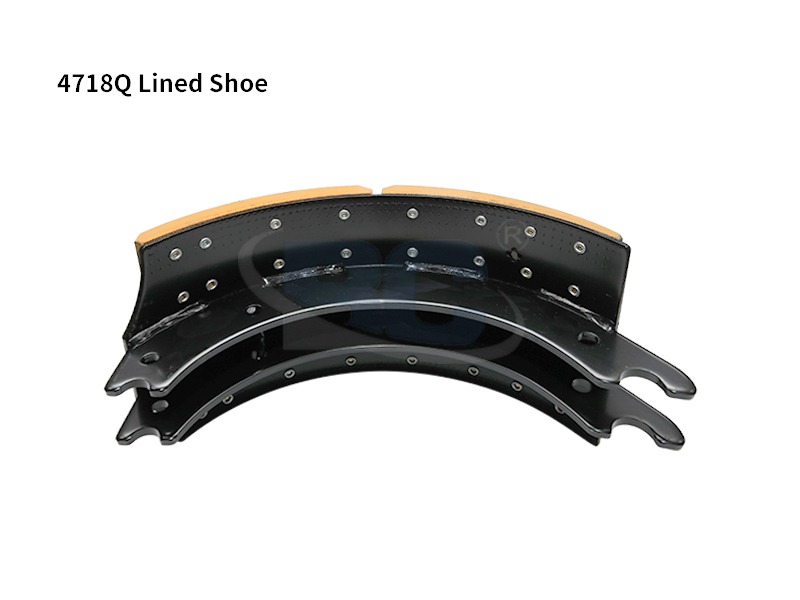
Pre-lined brake shoes and lined shoe kits are consolidating the replacement-parts market because one indexed assembly eliminates lining-to-shoe mismatch, riveting errors, and inconsistent burnishing at installation.
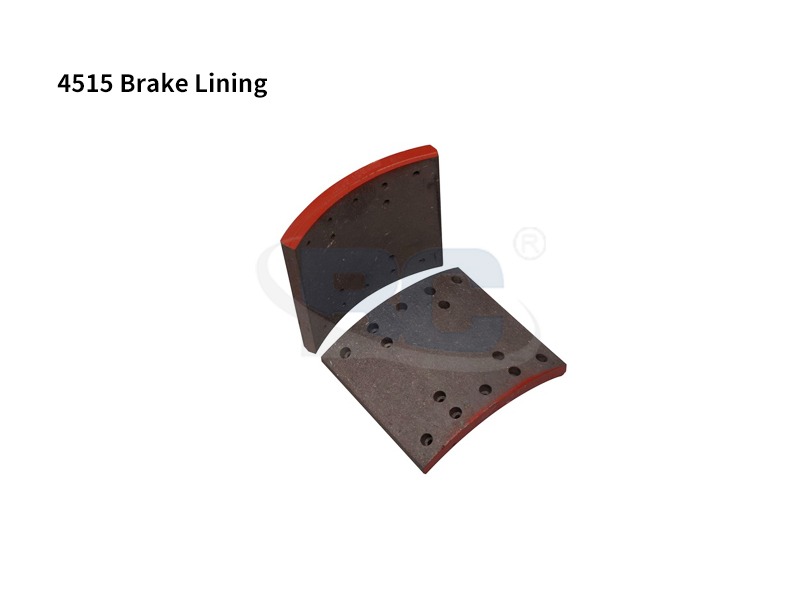
The FMSI numbering system is the backbone of this traceability. Standard references such as 1308E, 4515Q, and 4707Q map directly to OE platforms from BPW, SAF, Volvo, MAN, DAF, Hino, and Nissan, so a distributor can stock one indexed shoe and cover several axle generations. The structural difference between brake linings and brake shoes matters here: when the lining and shoe arrive as one certified assembly, the friction material is mounted to the correct radius and torque specification at the factory, not in the workshop.
- Fewer SKUs and fewer cross-reference errors at the counter
- Consistent lining burnish and contact patch from the first stop
- Lower total wheel-end cost than separately sourced shoes and linings
- Lined shoe kits and repair kits that bundle hardware for one-visit replacement
The pre-lined 4707Q brake shoe assembly is a direct example of this modular approach, pairing OE-indexed shoe geometry with factory-mounted lining. The same logic is pushing suppliers toward fully assembled wheel-end kits rather than loose components.
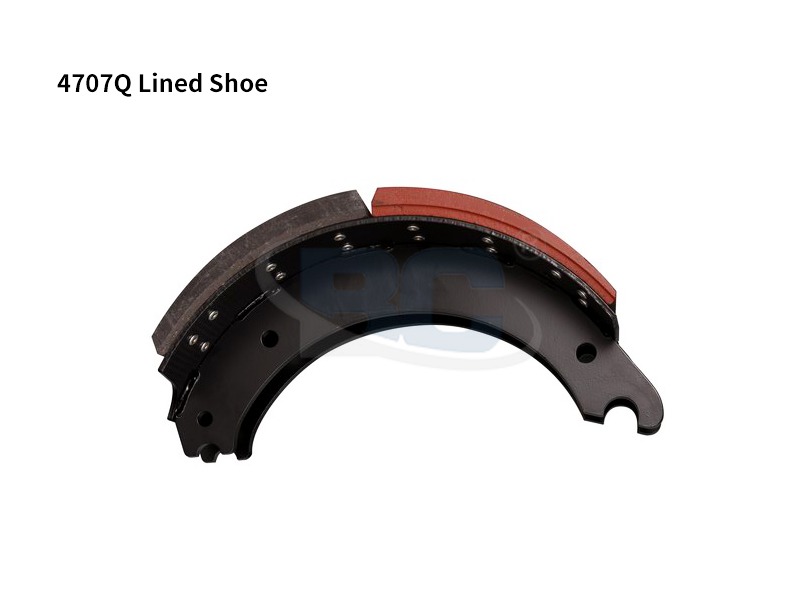 Custom 4707Q Lined Brake Shoe OEM Manufacturers, Exporter, CompanyZhejiang Bangchi Auto Parts Co., Ltd. Is China Custom 4707Q Lined Brake Shoe OEM Manufacturers, Exporter, Company, Part Number:4707Q Prod...View Product →
Precision Manufacturing and Certified Process Control
Tighter friction technology demands tighter geometry: shoe web flatness, table radius, and lining-mounting tolerance determine whether a new material reaches its designed contact patch under load.
A shoe that is flat to spec but off by half a millimeter in radius concentrates load at the heel and toe, creating hot spots and early glazing. Supplier selection therefore hinges on process control, not just material data sheets. Zhejiang Bangchi Auto Parts Co., Ltd. operates IATF 16949-certified heavy-duty brake manufacturing with a production line rated at two million brake shoes per year, a 13,000-square-meter plant, and a development team that builds custom parts from customer drawings.
Because the product range is indexed to the FMSI numbering system, a fleet or distributor can verify geometry, material, and application fit from the part number alone, then scale from prototype to high-volume delivery.
Electric Trucks Change the Duty Cycle, Not the Physics
Regenerative braking handles 60 to 80 percent of deceleration energy in an electric truck, yet a friction brake remains responsible for the final stop, the emergency stop, and the parking hold.
That split creates a new failure mode: brake shoes that sit unused are more vulnerable to corrosion and rust-jacking, while light, repeated regen-assisted applications can polish the lining into a hard glaze. The material and steel-shoe response is toward corrosion-resistant finishes, stable low-temperature friction coefficients, and burnishing schedules embedded in service software.
constant deceleration, recovers kinetic energy to the battery, and keeps average drum temperatures low.
the final stop, the emergency stop, the parking hold, and low-speed maneuvers where regen torque is limited.
Electric trucks do not remove friction technology from the supply chain; they make its qualification process stricter.
Sustainability Moves from Add-On to Purchase Criterion
Buyers now audit friction materials for asbestos, lead, chromium, and recyclability before approving a supplier, and that audit is becoming a contractual requirement rather than a checkbox.
California Proposition 65 sensitivities, EU end-of-life directives, and urban particulate limits are pushing distributors to publish the environmental profile of every lining they sell. That favors suppliers who document material composition, comply with copper phase-outs, and separate lining easily from the steel shoe for recycling.
Visualizing the Next Decade of Friction Technology
The chart below summarizes the relative priority of friction-technology investment areas for heavy-duty buyers and manufacturers through 2032, based on the regulatory and operational drivers described above.
Priority of friction technology investment areas, 2026-2032 outlook
Frequently Asked Questions
What is the biggest future trend in brake friction technology for heavy trucks?
The combination of copper-free material reformulation and wear-sensing integration is the dominant trend. Regulations set the material baseline, while telematics and predictive maintenance reward suppliers whose shoes can signal their own replacement point.
Will electric trucks eliminate friction brakes?
No. Electric trucks still require a mechanical friction brake for final stops, emergency braking, and parking. Regenerative braking reduces the heat load, but the remaining duty cycle places new demands on corrosion resistance and low-temperature friction stability.
Are copper-free brake linings as durable as copper-containing ones?
Modern copper-free and ceramic hybrid formulations match copper-era linings across most heavy-duty duty cycles, including sustained high-temperature stops. The main requirement is supplier documentation of test data against FMVSS 121 and ECE R90 criteria for the specific vehicle application.
How does FMSI numbering help with future brake friction technology?
FMSI indexing creates a universal language for shoe geometry and lining fit. As linings and sensors evolve, a standard FMSI reference keeps the replacement part, whether a bare steel shoe, a pre-lined assembly, or a complete kit, traceable and interchangeable across OE platforms.