 English
 简体中文
A loaded heavy truck on a 6% mountain grade asks the same question on every descent: will the brake lining still hold at 400°C? The answer comes from testing, not from guessing. A lining that loses friction when hot can extend stopping distance by a dangerous margin, which is why every serious brake lining program evaluates friction, wear, thermal stability, structural bond and environmental resistance before the part is approved for service.
Brake linings are wear items, but they are safety-critical friction components. They convert kinetic energy into heat at a controlled rate, survive repeated high-energy stops, stay attached to the brake shoe, and keep providing predictable friction while they wear. The tests described below are the ones that determine whether a lining actually meets those demands, and they are the same tests a buyer should look for in a manufacturer's documentation.
What a Heavy-Duty Brake Lining Must Survive
A 40-tonne combination vehicle travelling at 80 km/h carries roughly 10 megajoules of kinetic energy. When the driver applies the brakes, the lining and the drum convert that energy into heat. In a single hard stop from highway speed, component temperatures can climb by hundreds of degrees. On a mountain descent, the heat is continuous. A lining must maintain its friction level, control wear on itself and the drum, remain firmly mounted on the shoe, and do all of this for tens of thousands of kilometres without unexpected degradation.
This is why testing is based on recognized standards. In Europe, ECE R90 defines the approval process for replacement brake linings. In North America, FMVSS 121 establishes performance requirements for air-braked commercial vehicles. Around those standards sit additional engineering references for friction measurement, wear evaluation and material behavior. The reasons why brake linings are important go beyond simple stopping power: they determine brake balance, service intervals and total operating cost.
The FMSI numbering system completes the picture. FMSI numbers identify the physical shape, mounting configuration and dimensional envelope of a lining. When a lining has been tested and produced to match an FMSI reference, the buyer can verify both the fit and the basic performance category before installation.
Core Test Categories for Brake Linings
No single test can describe a brake lining. A complete evaluation program covers friction behavior, wear rate, thermal resistance, structural strength and environmental durability. The table below summarizes the main categories used in commercial-vehicle lining development and quality control.
| Test category | Typical method | What it verifies | Typical failure mode |
|---|---|---|---|
| Friction performance | Inertia dynamometer stop-and-hold cycles | Friction coefficient stability across pressure, speed and temperature | Friction drop in hot stops |
| Wear resistance | Thickness and mass measurement after repeated stops | Lining wear rate and drum wear behavior | Rapid wear, drum scoring |
| Thermal fade | Repeated high-energy stops with limited cooling | Resistance to fade and recovery after cooling | Fade beyond acceptable limits |
| Shear strength | Push-out or shear test of the lining-to-shoe bond | Adhesion of molded or riveted lining | Delamination, lining separation |
| Compressibility | Load-deflection measurement under pressure | Even contact with the drum, consistent pedal feel | Excessive deflection, vibration |
| Environmental aging | Salt spray, humidity and heat cycling | Dimensional stability and material cohesion over time | Crazing, swelling, cracks |
Friction and Wear Testing
Friction testing measures how the coefficient of friction changes under controlled pressure, initial speed and drum temperature. A typical sequence starts with a burnish procedure that seats the lining against the drum, followed by a series of stops from different speeds and pressures. The result is a friction curve, not a single number. A good heavy-duty lining keeps its coefficient inside a stated band across the whole test matrix. A coefficient that is too high causes grabbing, chatter and unnecessarily hot drums. A coefficient that is too low means long brake pedal travel and weak deceleration.
Wear testing records how much lining thickness is lost per stop or per distance, and it also tracks drum wear. A lining that lasts a long time but scores the drum is not a good choice. Similarly, a lining with a low wear rate but high friction may generate more heat than the brake system can manage. That is why wear data is always read together with friction data.
Thermal Stability and Fade Resistance
Brake fade is the temporary loss of friction that occurs when the resin system in the lining overheats and can no longer support the load. Fade tests replicate what a loaded truck encounters on a long grade: repeated high-energy stops with little time to cool. The test records the friction drop during the sequence and the speed of recovery once the lining cools. Heavy-duty linings use high-temperature resins and reinforcing materials to limit the drop, but the margin varies from one formulation to another. The test report shows that margin, and it should be matched to the vehicle's real duty cycle.
Mechanical and Structural Integrity
Excellent friction behavior means nothing if the lining separates from the shoe. Shear testing pushes the lining off the shoe web at a controlled rate and records the force required. Bonded linings must withstand the shear loads generated at maximum brake torque, while riveted linings must be evaluated at the rivet and counterbore. Dimensional tolerances belong in the same conversation. Thickness, width and arc length all have to match the drawing. A lining pressed slightly too thick can distort the drum; one slightly too thin can reduce contact pressure and cause fade. FMSI dimensions and original equipment drawings define these checks, and they should be repeated on incoming parts, not just on prototypes.
Environmental Durability
Commercial vehicles operate in snow, salt spray, dust and high ambient heat. Environmental tests compress those conditions in accelerated form. Salt spray testing checks corrosion of the steel shoe and rivets. Humidity and temperature cycling checks the resin for crazing or swelling that could change the lining dimensions. Oil and grease contamination tests show how the friction surface behaves when a wheel seal leaks. For fleets running in northern winters or coastal regions, these results are just as important as the friction curve.
What Fleet Buyers and Technicians Should Look For
The most important conclusion is simple: never evaluate a brake lining by a single friction number. A catalog value of 0.40 means little if the lining drops to 0.28 during a hot stop, wears out at 20,000 kilometres, or damages the drum in the process. What matters is the stability of friction across the operating window, the wear balance between lining and drum, and the part's behavior after months of service.
When reviewing a test report, check four things:
- Certification evidence: request the approval documents relevant to your region, including ECE R90 certificates or evidence of FMVSS 121 compliance for air-braked vehicles.
- Test conditions: confirm that the friction and wear cycles reflect your operation, including axle loads, average speeds, brake application frequency and terrain.
- Wear balance: examine lining wear and drum wear together, because a lining that destroys drums is an expensive replacement even if it lasts a long time.
- Production consistency: a certified prototype is only useful if every production batch is built to the same standard, which is why the manufacturer's quality management system matters.
The practical side is equally important. Verify the FMSI number, check the OE cross-reference for the specific axle, and measure the lining before installation rather than trusting the label. A practical guide to replacing brake linings can help technicians spot the most common fitment errors during installation.
From Test Bench to Production Line: Turning Results into Consistent Products
Testing only delivers value when the production process can reproduce the tested properties. A manufacturer that documents its quality system, controls incoming raw materials, monitors curing and grinding, and performs dimensional checks on finished parts is much more likely to deliver linings that match the test data than one that relies on occasional spot checks.
Zhejiang Bangchi Auto Parts Co., Ltd. has applied this principle since its founding. The company produces heavy-duty brake shoes, linings and lined shoe assemblies under the IATF 16949 quality management system and has stated from the beginning that product quality is its core competitiveness. In practical terms, that means verification of friction material batches, dimensional checks against FMSI references, and batch traceability on finished products. For teams that want to understand the production background behind tested friction parts, the company profile and quality system overview provides a more detailed look.
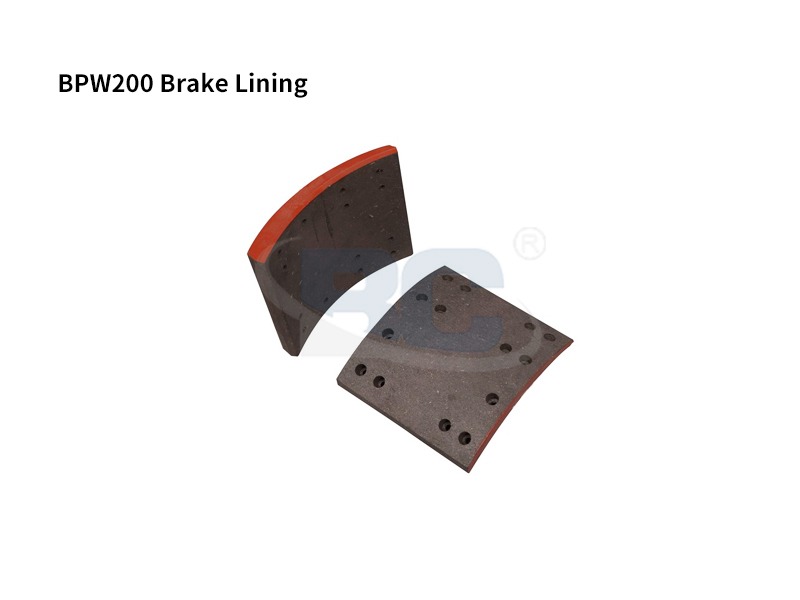
For brake linings on common heavy-duty platforms, the manufacturer offers tested options such as the 4515 brake lining and the 4707 brake lining. For operators running BPW-based axles, the BPW200 brake lining in the 420 x 200 mm FMSI reference gives a direct fitment check for that axle system.
 19094 OEM Manufacturers, Brake Lining 19094 Exporter, CompanyWe Are China 19094 OEM Manufacturers, Exporter, Company, Zhejiang Bangchi Auto Parts Co., Ltd. Offer Custom 19094 Brake Lining For Sale.View Product →
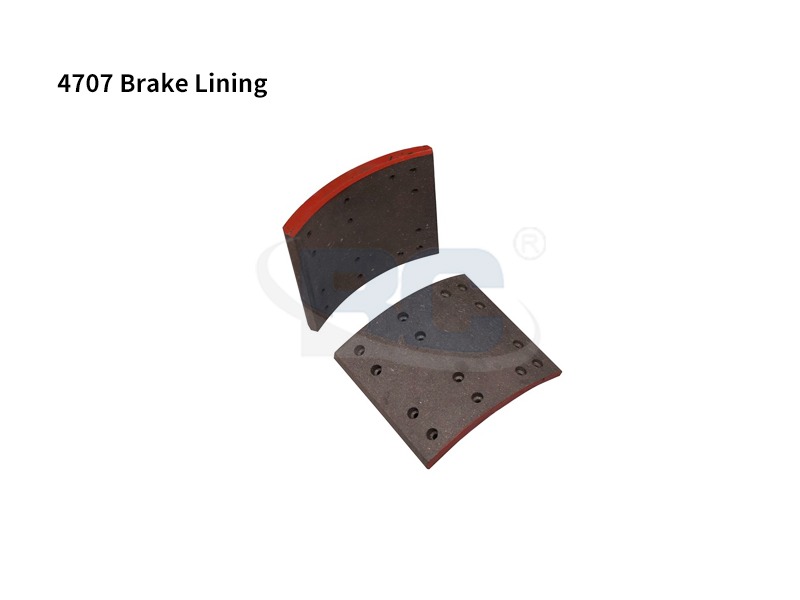 Custom 4707 Brake Lining OEM Manufacturers, Exporter, CompanyZhejiang Bangchi Auto Parts Co., Ltd. Is China Custom 4707 Brake Lining OEM Manufacturers, Exporter, Company, Part Number:4707 Brake Lini...View Product →
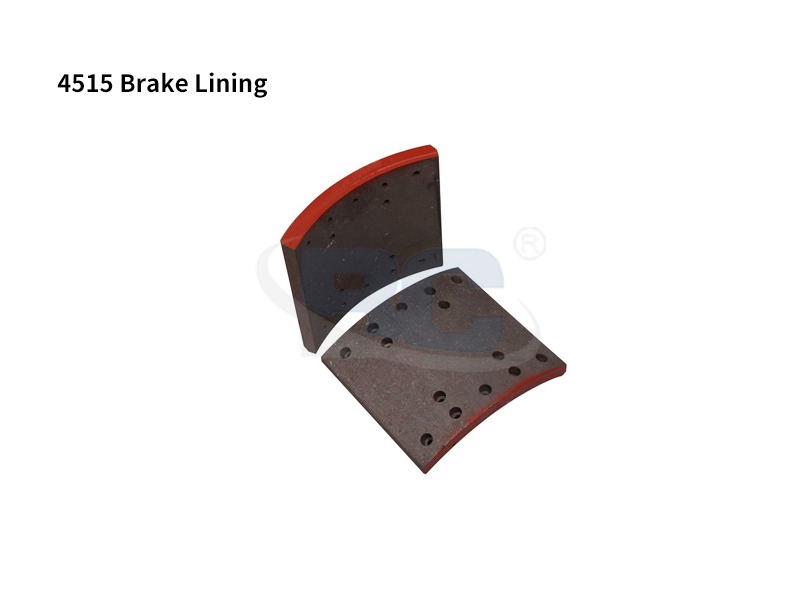 Custom 4515 Brake Lining OEM Manufacturers, Exporter, CompanyZhejiang Bangchi Auto Parts Co., Ltd. Is China Custom 4515 Brake Lining OEM Manufacturers, Exporter, Company, Part Number:4515 Brake Lini...View Product →
Knowing how a lining is tested is the first step. The second step is choosing a manufacturer whose production system can deliver the same performance part after part, batch after batch. Ask for the test data, confirm the FMSI reference, verify the dimensions before installation, and keep the test report as part of your preventive maintenance file. That is how the safety and performance promised on paper ends up working on the road.