 English
 简体中文
简体中文A fleet workshop recently ordered replacement linings for a BPW axle. The new lining looked correct at a glance: same width, same mounting holes. But it was 2 mm thicker than the brake drum's design clearance. The brake chambers could not be adjusted to their working stroke, the drums had to come off again, and the wrong parts went back to the supplier. The job cost a full afternoon and an extra freight bill.
The short conclusion is this: brake lining thickness and size are precision specifications, not close-enough options. They determine whether the S-cam stroke stays within adjustment range, whether the drum runs cool, and whether the vehicle delivers its rated braking capacity. This guide explains the measurements that matter, the axle references that lock in the correct fit, and the checks that should happen before you place an order.
Start with the three dimensions that define a brake lining
Every heavy-duty brake lining is defined by three dimensions: thickness, width, and arc length. If any one of them is wrong, the lining will not seat correctly against the brake shoe or work inside the drum. Confirm these three values first, and most fitment problems disappear.
Lining thickness
Thickness is measured from the friction surface down to the steel table of the brake shoe. It is the nominal dimension the brake assembly was designed around, not a wear allowance. Heavy-duty truck and trailer linings typically range from about 8 mm to 25 mm, depending on the axle platform and brake chamber rating. A Volvo VL200 application, for example, is commonly specified as 410 x 225 x 8 mm, with 8 mm being the new-part thickness. Installing a thicker lining than the brake was designed for can prevent the drum from clearing the friction surface, or force the slack adjuster to keep advancing the S-cam until the brake overstrokes. A thinner lining reduces braking torque and reaches its minimum wear state much sooner. Always confirm the OE-specified new thickness before ordering.
Lining width
Width runs along the axis of the brake drum, typically 180 mm, 200 mm, 220 mm, or 225 mm on heavy commercial axles. The lining must match the working width of the brake shoe table and leave the correct margin inside the drum. A lining that is too wide can contact the drum casting or backing plate; one that is too narrow raises contact pressure, which accelerates wear and can lead to heat cracking. Measure the existing lining or the shoe table with a caliper, and record the result to one decimal place.
Arc length and drum radius
Arc length is the curved dimension of the lining, commonly stated as a nominal value such as 410 mm or 420 mm. The friction surface radius should be ground to suit the brake drum's internal radius. If the radius is wrong, the lining contacts only part of the drum, producing a spotted wear pattern and reduced braking power. When ordering, compare the arc length and the radius, not just the flat width and thickness.
How to confirm the correct thickness for your brake assembly
Thickness selection starts with the axle manufacturer's specification, not with whatever happens to be in stock. The axle defines the drum inner diameter, the brake chamber size, and the S-cam geometry; the lining fills the gap between the shoe table and the drum with the correct amount of friction material. On a rebuild, the replacement must reproduce the nominal thickness of the original, including any chamfer or slot the OE part carried.
Also separate new thickness from minimum wear thickness. Minimum wear thickness is the point at which the lining must be replaced because rivet heads are close to contacting the drum, or because the friction layer can no longer manage the heat of braking. For riveted linings, replace the lining when the surface wears down near the rivet heads. For bonded linings, follow the manufacturer's stated minimum. New thickness, minimum wear thickness, and installed clearance are three different numbers; know which one you are looking at.
Common heavy-duty references show how the dimensions are expressed:
| Axle / platform | Lining dimensions | Notes |
|---|---|---|
| BPW 200 | 420 x 200 mm | Common on trailer axles; verify old vs new generation |
| Mercedes-Benz 220 | 410 x 200 mm | Used on 220-series axle housings |
| Volvo VL200 | 410 x 225 x 8 mm | New lining thickness is 8 mm |
| SAF SK9 | 420 x 180 mm | Trailer and semi-trailer applications |
These dimensions come from the reference codes used across the industry. Verify the exact cross-reference for your brake assembly, because the same platform name can cover different drum widths or shoe generations.
Match the lining size to the axle platform and brake type
The axle platform is the fastest shortcut to the correct dimensions. BPW, SAF, Volvo, Mercedes-Benz, MAN, DAF, Hino, and Nissan each use defined brake shoe and lining references. Within one brand, the specific series still matters: a BPW 200 lining is not automatically interchangeable with the newer BPW brake shoe generations even when the widths look similar. The same applies to Volvo VL200 and VL225, where old and new generation shoes use different profiles.
Brake actuation also changes the picture. Hino and Nissan applications are available in both air and oil versions, and the lining dimensions are tied to the brake system design. Air versions use S-cam and slack adjuster layouts; oil versions use hydraulic actuation with different drum geometry. If you cannot confirm the brake type, check the axle data plate or the existing shoe before ordering.
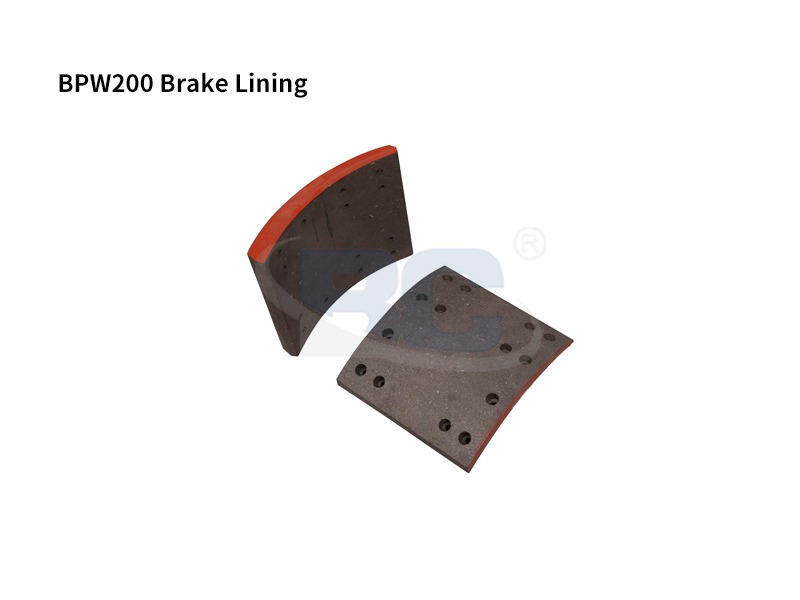
For a BPW 200 axle, the typical reference is the BPW200 420x200 mm brake lining, which is manufactured with the FMSI-compatible shape and hole pattern for this platform. If in doubt, compare it against the actual shoe on the bench.
 19094 OEM Manufacturers, Brake Lining 19094 Exporter, CompanyWe Are China 19094 OEM Manufacturers, Exporter, Company, Zhejiang Bangchi Auto Parts Co., Ltd. Offer Custom 19094 Brake Lining For Sale.View Product →
Use FMSI and OE numbers to lock in the reference
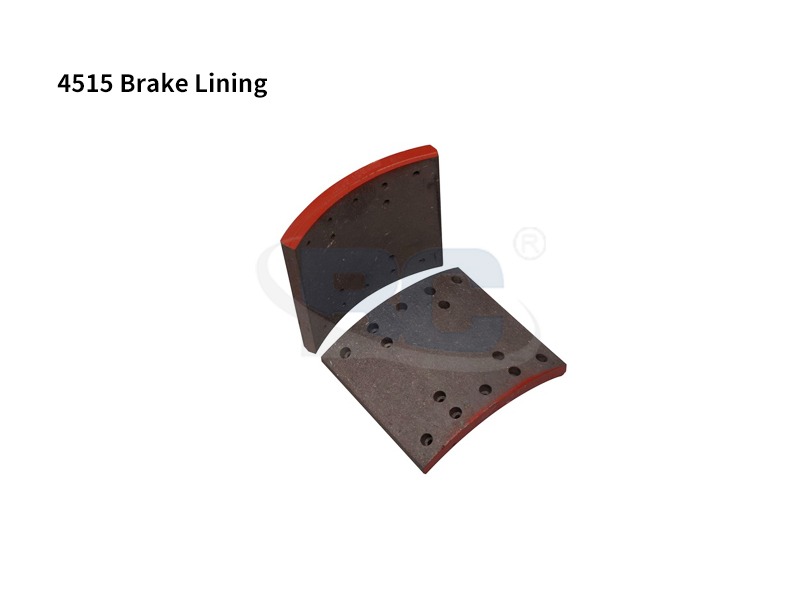
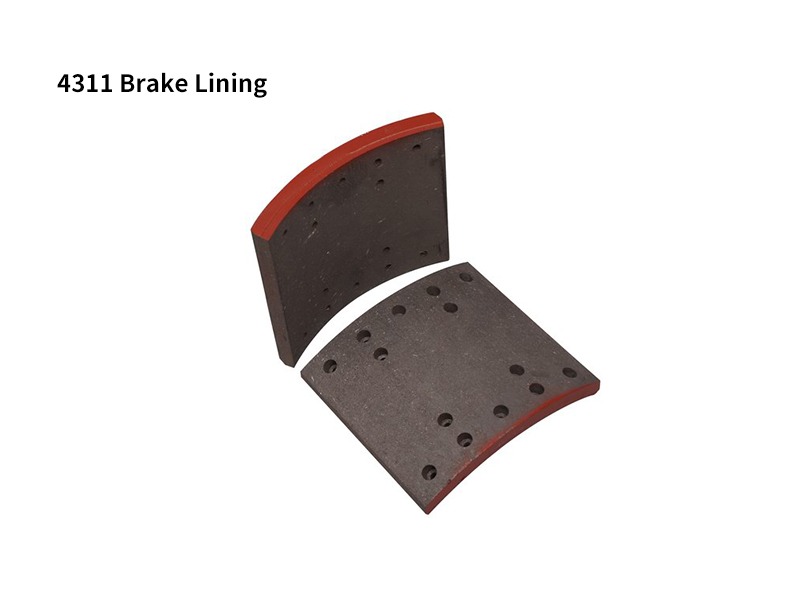
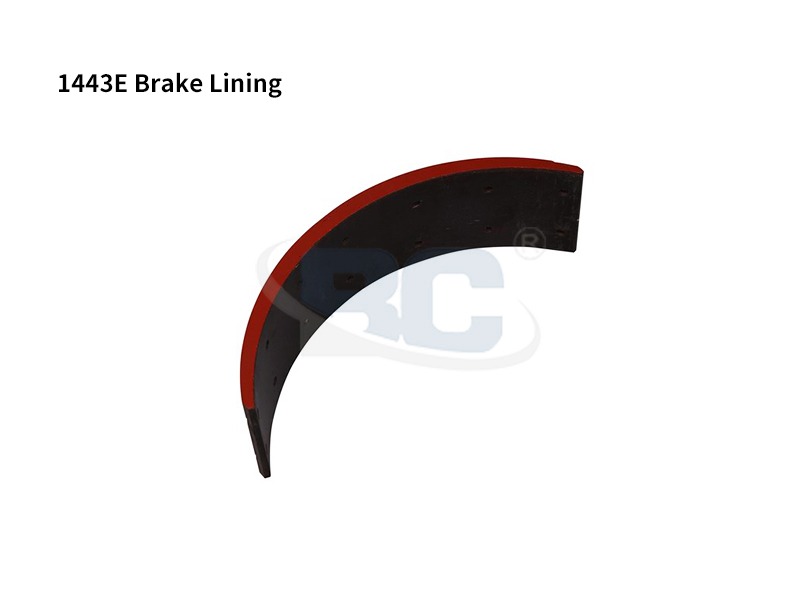
A physical measurement tells you what the old part is; the FMSI number tells you what the industry standard says it should be. FMSI assigns a numeric code to the shape of a brake lining, such as 4709, 4707, 4515, or 1443. The same FMSI number is used across manufacturers, which makes it the most reliable common language when comparing suppliers. The OE number ties the lining to a specific original application and can disambiguate versions that share a shape but differ in thickness or chamfer.
Provide both numbers when you request a quote. A 4709 brake lining, for example, is a standard heavy-duty reference, but the exact thickness and edge treatment must still match the axle specification. Letter suffixes such as Q, PQ, or ES2 often indicate a variant in material or geometry, and they can change the fit or the friction performance.
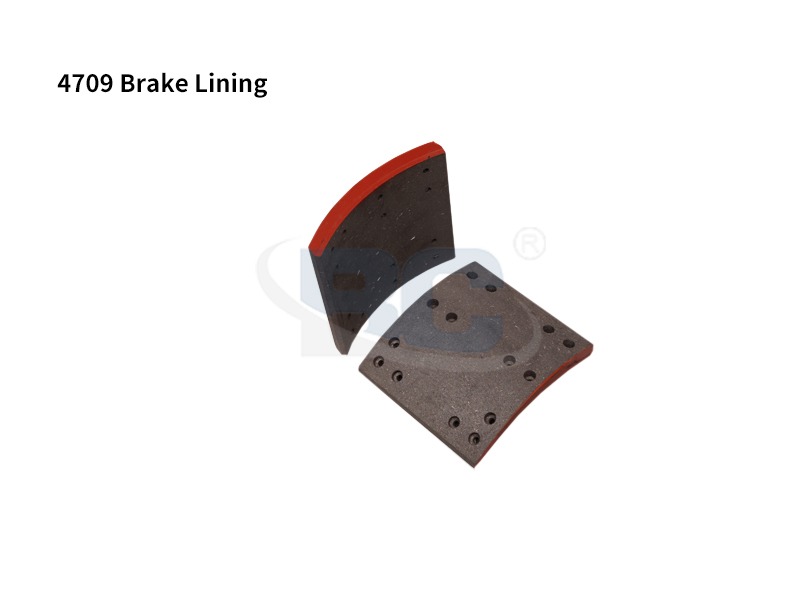 Custom 4709 Brake Lining OEM Manufacturers, Exporter, CompanyZhejiang Bangchi Auto Parts Co., Ltd. Is China Custom 4709 Brake Lining OEM Manufacturers, Exporter, Company, Part Number:4707 Brake Lini...View Product →
If the stamp on the old lining is gone, list the measured dimensions plus the axle platform and brake type, and let the manufacturer match a reference. Our brake lining guide for drivers also covers how the lining relates to the rest of the brake system and what to inspect during service.
A practical pre-order checklist
Before ordering, spend three minutes with the old part on the bench. These checks catch most order errors:
- Measure thickness with a caliper at the center of the lining, not at the edge where the chamfer changes the reading.
- Measure width and arc length against the brake shoe table, and record the FMSI number and any OE number stamped on the edge.
- Confirm the brake actuation type (air or oil) and the axle generation (old or new) from the vehicle data plate.
- Check the drum: a drum worn beyond its maximum allowable diameter changes the ideal lining radius and can make a correctly sized lining run hot.
- Compare the replacement lining to the old one side by side before installation.
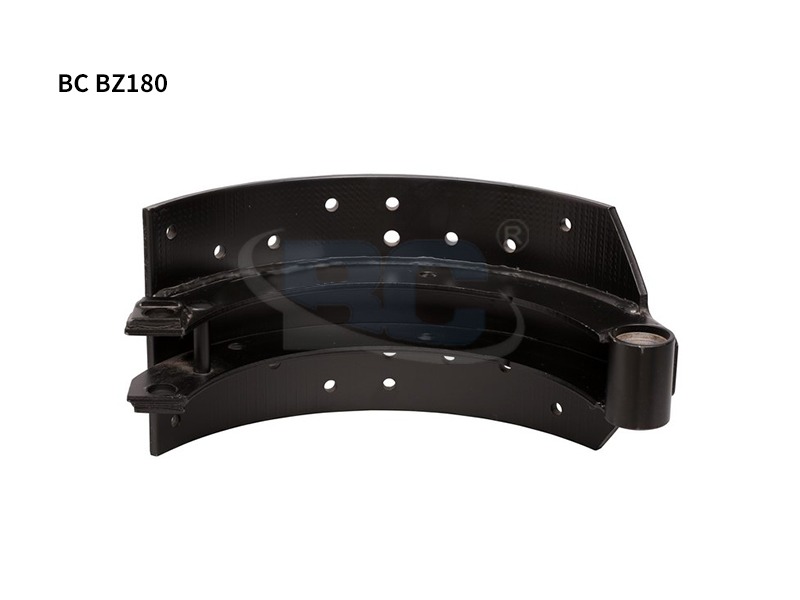
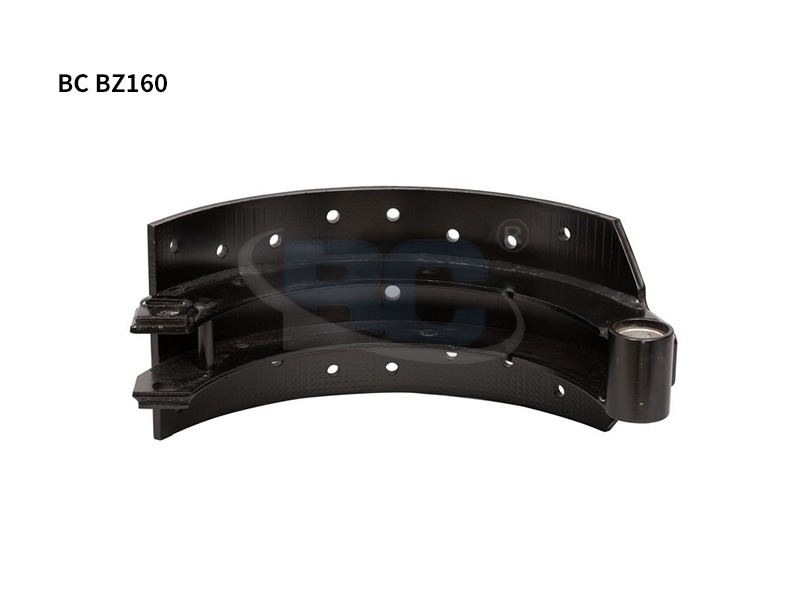
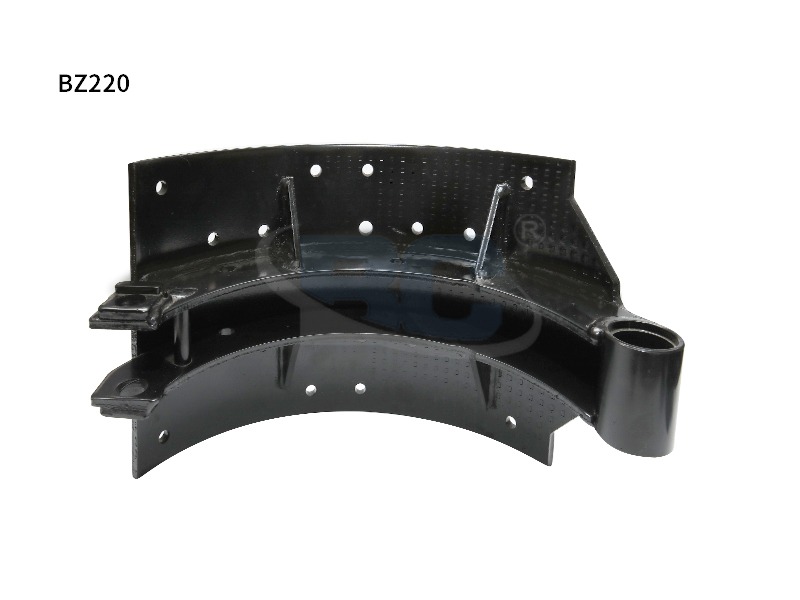
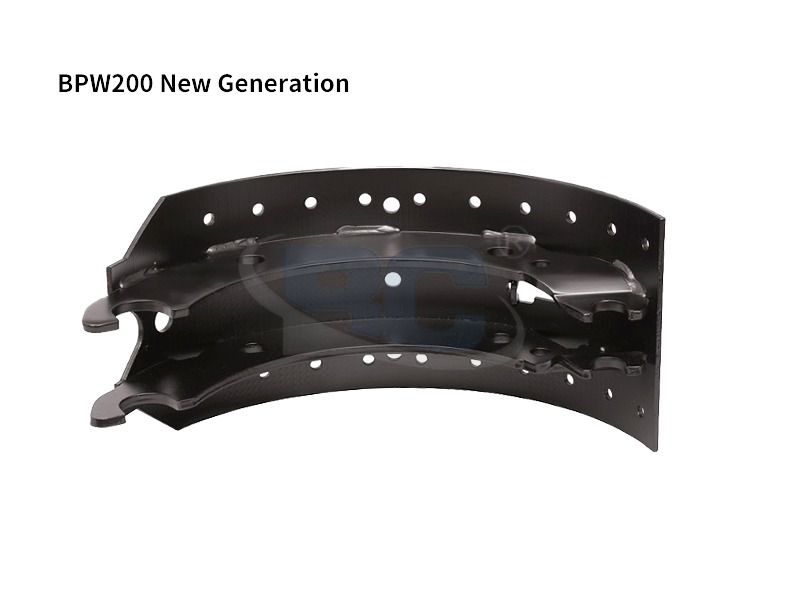
If the lining is ordered as part of a complete brake shoe, the same logic applies. A ready-to-install BPW200 420x200 mm brake shoe removes the risk of a mismatched lining and shoe because both parts are manufactured against the same reference.
 0509127830 Brake Shoe OEM Manufacturers, Exporter, CompanyWe Are China 0509127830 Brake Shoe OEM Manufacturers, Exporter, Company, Bangchi Auto Parts Offer Custom 0509127830 Brake Shoe With Steel...View Product →
Common mistakes and how to avoid them
Most returns and downtime come from four repeat errors:
- Ordering by visual similarity. A lining can share the same width and thickness yet have a different arc length or radius.
- Ignoring generation changes. BPW old and new generation shoes, Volvo VL200 and VL225, and similar refits are not interchangeable even when the axle brand is the same.
- Confusing air and oil brake versions, especially on Hino and Nissan applications where both types are common.
- Choosing the thickest available lining to extend service life without checking drum clearance and slack adjuster stroke.
The cost of these mistakes is not only the part price. It includes wheel-down time, a second freight charge, and the lost confidence of a driver who reported a brake fault. A few minutes of verification at the ordering stage is far cheaper than a repeat repair.
Work with a manufacturer that verifies before shipping
After the dimensions, FMSI code, and axle reference are confirmed, the remaining risk is quality control at the factory. Dimensional tolerance, hole alignment, edge condition, and friction material consistency all decide whether the part fits and performs. A manufacturer that controls these parameters through production is worth more than a lower price from a source that cannot document its tolerances. Zhejiang Bangchi manufactures under the IATF 16949 quality system and can develop products from customer drawings, which matters when you need a lining or shoe outside the standard catalog.
If you rebuild brakes in volume, standardize the information in every inquiry: vehicle model, axle platform, brake type, FMSI number, OE number, and the measured thickness, width, and arc length. That template lets the factory return a verified cross-reference instead of a guess. Review our fitment and ordering FAQ for the details suppliers usually request, or contact our technical team with a photo of the old part and its stamp.