 English
 简体中文
简体中文When a purchasing engineer compares two lined brake shoes with the same FMSI number, the paperwork says they are interchangeable. Real-world performance says otherwise. One lining may run cool, wear evenly, and deliver 120,000 km of service. Another may fade on a long downhill, transfer uneven material to the drum, and fail before the next scheduled brake inspection. That gap is why manufacturers choose high performance brake linings.
High-performance linings are not a premium option reserved for exotic vehicles. For OEMs, brake system integrators, and heavy-duty aftermarket brands, they are a risk-control measure. One inconsistent batch of friction material can generate noise complaints, drum scoring, warranty claims, or, worse, a safety incident. This article explains what high-performance linings actually deliver and how to evaluate them before you put them into production.
What "High Performance" Means in a Brake Lining
A brake lining converts kinetic energy into heat through controlled friction. In a heavy truck, that heat can be intense, especially on mountain descents or in stop-and-go city traffic. A high-performance lining maintains a predictable friction level across changes in temperature, pressure, and surface condition. It resists fade, recovers quickly, and wears in a way that does not damage the drum.
Friction Stability Under Load and Heat
Friction materials are made from resins, fibers, fillers, and friction modifiers. The balance between these ingredients decides how the lining behaves at operating temperature. A lining that glazes under heat loses stopping power when the driver needs it most. Manufacturers therefore look for friction stability, not just a high initial friction reading.
Wear Resistance and Drum Compatibility
Long lining life is only useful if the drum also survives. High-performance linings are engineered to manage wear on both sides of the interface. They create a smooth transfer film on the drum surface, reduce scoring, and extend maintenance intervals. For fleets, that balance directly affects operating cost per kilometer.
For a simpler explanation of how linings and shoes work together, this guide covers what you need to know about brake linings.
Why Manufacturers Choose High Performance Brake Linings
The decision is rarely about finding the cheapest friction material. It is about managing risk across the product lifecycle.
Reducing Warranty and Liability Exposure
Brake-related failures lead to some of the most expensive warranty claims in commercial vehicles. A lining with inconsistent batch quality can cause noise, vibration, premature wear, or reduced stopping power. Once a drum is scored or a wheel end overheats, the replacement cost includes more than the lining. High-performance linings with strict process control reduce the chance that a small material issue becomes a vehicle-level failure.
Lowering the Total Cost of Ownership for Fleets
Fleet buyers do not choose a lining because it has a hard surface or a dense appearance. They choose it because it lowers cost per mile. Extended lining life, fewer drum replacements, shorter downtime, and predictable brake balance across an axle all contribute to uptime. For a manufacturer, specifying a high-performance lining improves the economics of the complete brake system, not just one component.
Batch-to-Batch Consistency for Volume Production
An OEM or lined-shoe assembler may handle thousands of parts per month. If one batch of linings has a different hardness or friction level than the next, the technician sees it in fit, noise, or performance. A mature lining supplier controls raw materials, mixing, pressing, curing, and final grinding so the product behaves the same way every time.
How to Evaluate a Lining Specification
There is no single ideal friction coefficient for every application. A lining that suits a heavy line-haul truck may be too aggressive for a city bus. Instead, manufacturers evaluate how the lining behaves in the exact drum, shoe, and vehicle condition.
| Parameter | Why it matters | Red flag |
|---|---|---|
| Friction stability | Coefficient stays in a controlled band from cold to high temperature. | Strong fade or sudden recovery spikes under repeated stops. |
| Wear rate | Balances lining life and drum life over the target service interval. | Taper wear, edge wear, or heavy drum scoring in dyno tests. |
| Shear and bond strength | Lining stays attached to the shoe under high braking pressure. | Delamination, edge lifting, or shear failure after heat cycling. |
| Dimensional accuracy | Thickness, width, arc profile, and hole positions match the shoe. | Holes that do not align, visible gap, or uneven chamfer. |
| Curing and hardness | Uniform resin cure across the full lining surface. | Soft spots, surface cracks, or inconsistent burnish. |
These are the checks a manufacturer should see in a supplier's qualification data. If the supplier can provide detailed inspection reports and cross-reference the lining to the FMSI number, the decision becomes much easier. For a standard 4515 application, for example, a 4515 brake lining with a verified thickness profile is a good starting point for evaluation.
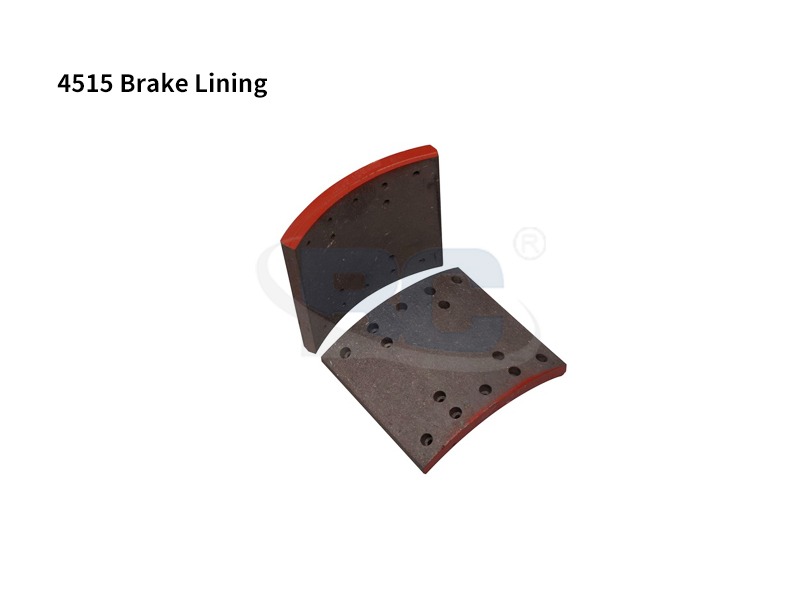 Custom 4515 Brake Lining OEM Manufacturers, Exporter, CompanyZhejiang Bangchi Auto Parts Co., Ltd. Is China Custom 4515 Brake Lining OEM Manufacturers, Exporter, Company, Part Number:4515 Brake Lini...View Product →
Matching the Lining to the Application
High performance is always application-specific. A regional distribution truck pulling heavy loads in rolling terrain needs a different lining balance than a city delivery vehicle making frequent stops. The same platform can also change over the years. Some axle generations use different shoe widths and drum diameters, so the old-generation shoe and the new-generation shoe should not be treated as identical.
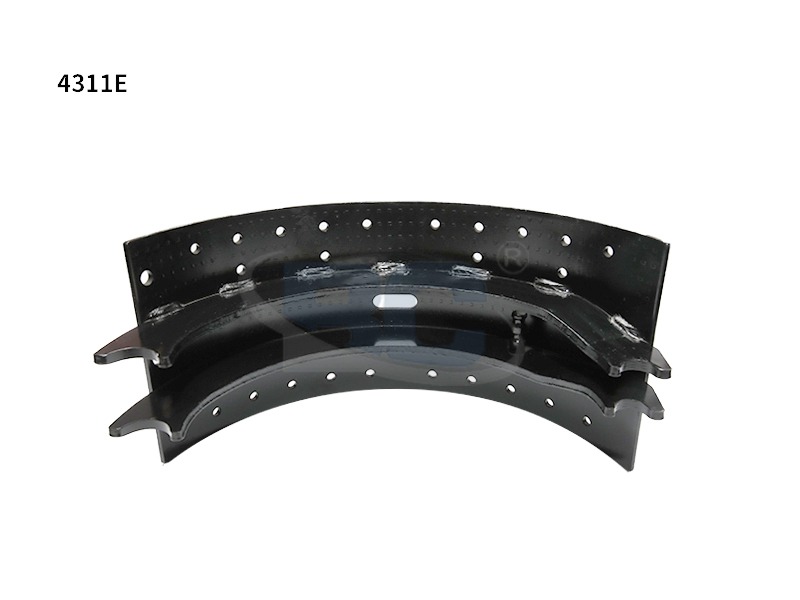
At the component level, the same brake platform may be available as loose brake lining, lined shoe, or a complete repair kit. Each form has a different inventory and assembly implication. On European-style axle applications, the 420 x 200 mm WVA brake lining is a clearly identified friction material that can be matched to the original shoe geometry. For fleets that want less labor in the distribution chain, a lined brake shoe arrives with friction material already attached, which removes one variable from the workshop.
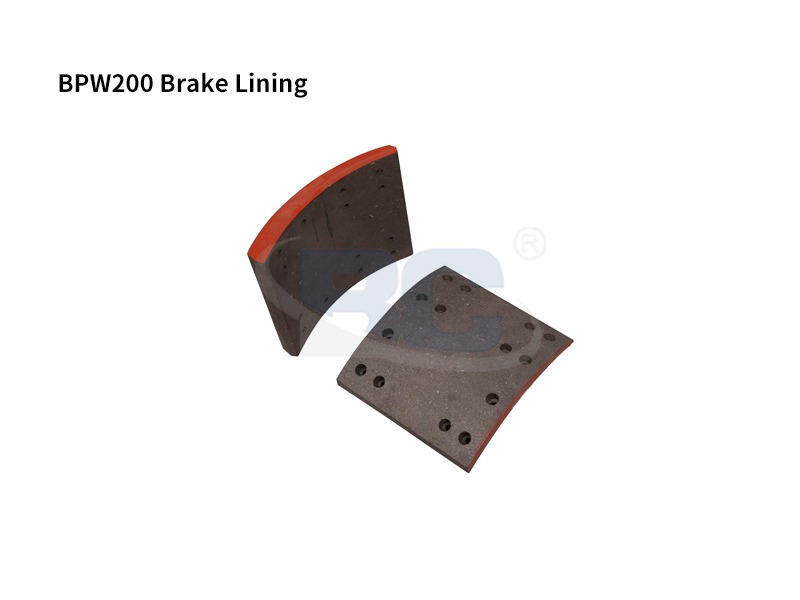 19094 OEM Manufacturers, Brake Lining 19094 Exporter, CompanyWe Are China 19094 OEM Manufacturers, Exporter, Company, Zhejiang Bangchi Auto Parts Co., Ltd. Offer Custom 19094 Brake Lining For Sale.View Product →
Before choosing a part number, compare the vehicle application, axle load, drum size, and operating environment. Our guide covering factors to consider when buying a truck brake part goes into the wider set of checks that should happen before a brake component enters your inventory.
What a Manufacturer Should Expect From a Brake Lining Supplier
The lining is only as reliable as the manufacturing process behind it. A supplier's quality system influences every batch, and in brake components, every batch is a safety decision.
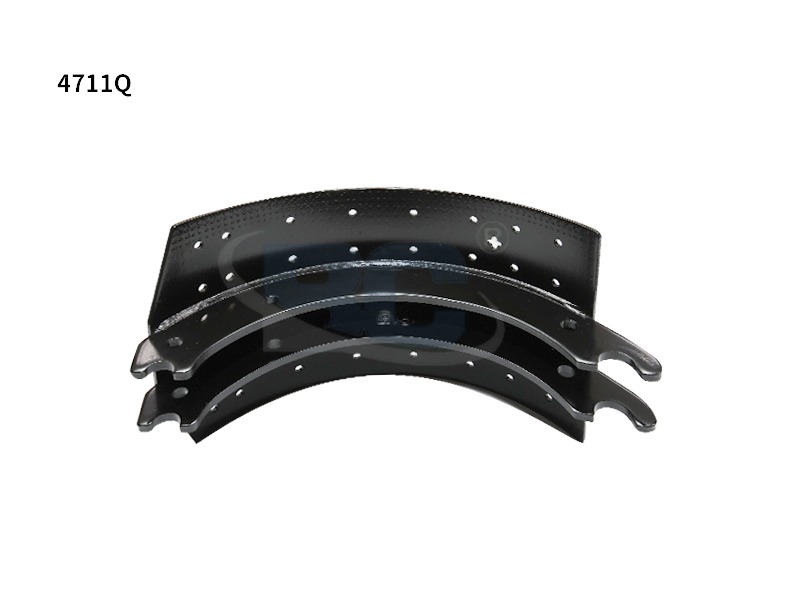
Zhejiang Bangchi Auto Parts Co., Ltd. operates as a heavy-duty brake component manufacturer with a focus on brake shoes, brake linings, and lined shoe assemblies. The product range includes FMSI-numbered loose linings and ready-to-install assemblies such as the 4707Q lined brake shoe. The company has passed the IATF 16949:2016 quality management system audit, and its product line is organized according to FMSI numbers. That means an OEM or distributor can quickly identify which lining belongs to which shoe and check the fit against a known reference. Our engineering and production teams also develop products from customer drawings, so a manufacturer is not limited to a small set of standard listings.
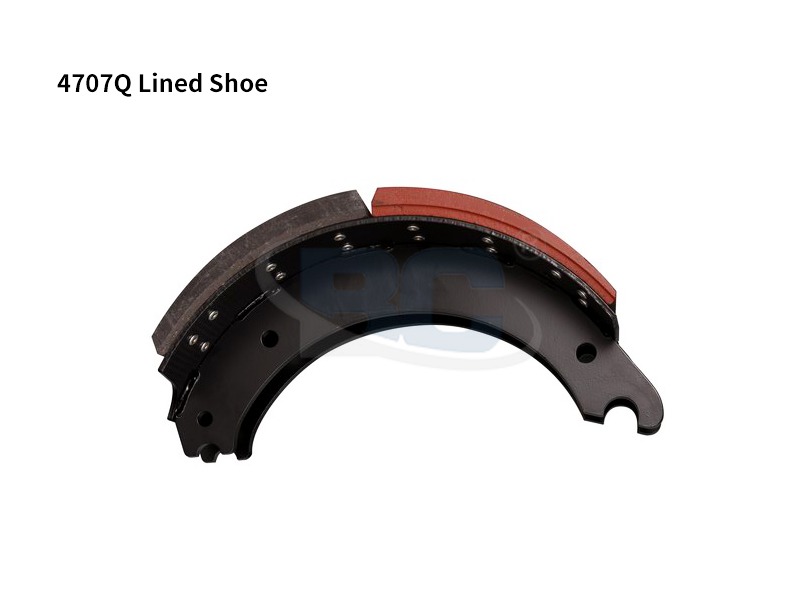 Custom 4707Q Lined Brake Shoe OEM Manufacturers, Exporter, CompanyZhejiang Bangchi Auto Parts Co., Ltd. Is China Custom 4707Q Lined Brake Shoe OEM Manufacturers, Exporter, Company, Part Number:4707Q Prod...View Product →
On the production side, the company maintains a line designed for high-volume output of brake shoes and lined assemblies, with the capacity to support both prototype projects and serial orders. For a safety-critical part, that combination of process control and delivery capability is exactly what manufacturers need. For details on the plant, quality system, and production capacity, see our company profile.
Choosing a high-performance brake lining is not about picking the most expensive material. It is about selecting a predictable friction material, made by a controlled process, matched to the application, and backed by a supplier that treats brake components as safety-critical parts. That consistency is what turns a good friction material into a reliable brake system component. It is also the reason manufacturers consistently choose high-performance brake linings.