 English
 简体中文
简体中文 +86-133 7230 7977
 +86-0573-87960600
 sfp@zjbangchi.com
1443 Brake Lining
Part Number:1443E Product Size:15"*4"mm Number of rivet holes:14 WVA NUMBER:

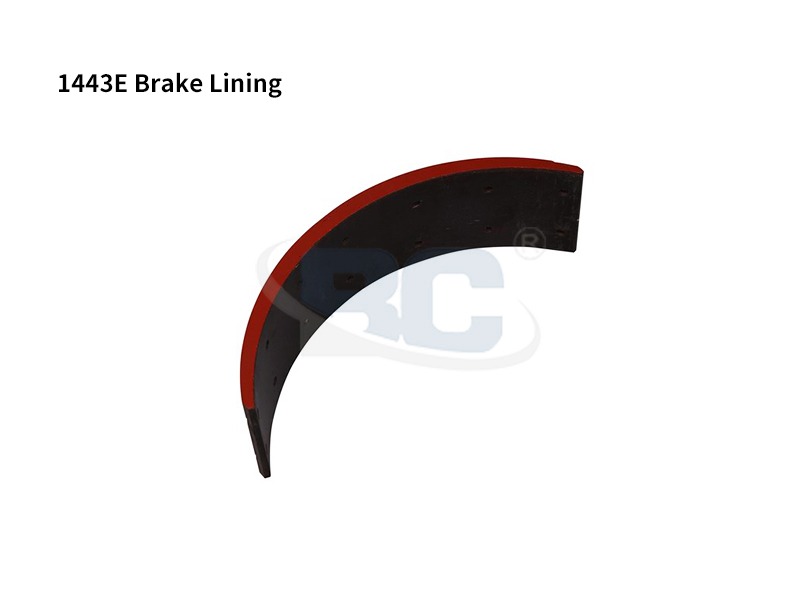
Part Number:1443E Product Size:15"*4"mm Number of rivet holes:14 WVA NUMBER:
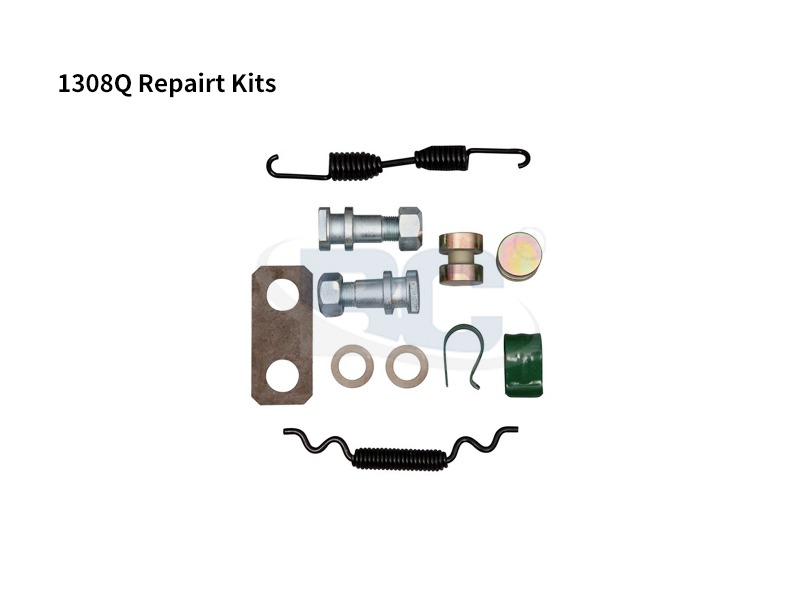
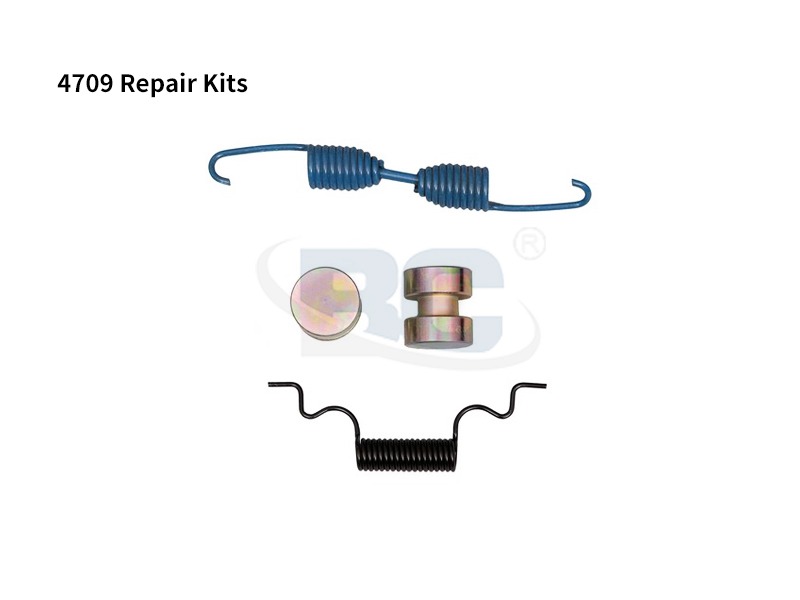
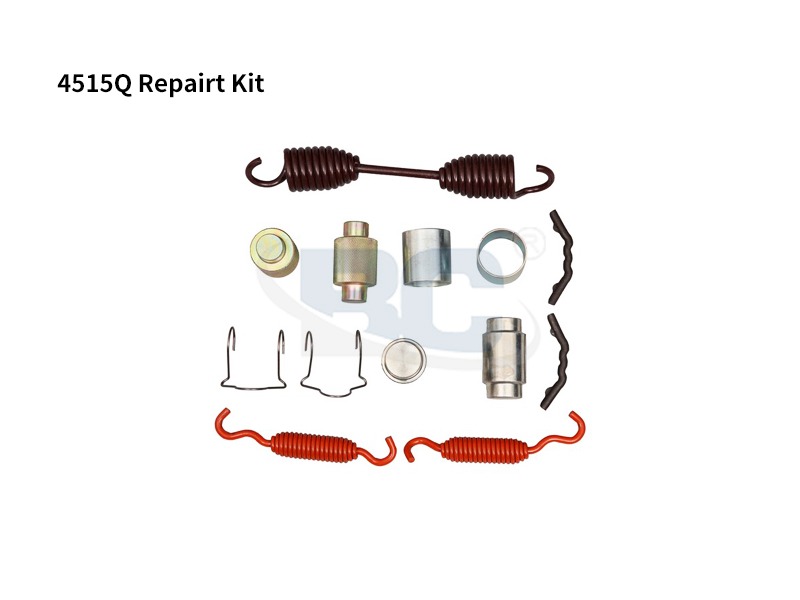
Part Number:4515Q/4707Q brake shoe Product OE number: 4515Q/4707Q E2769HD Appli...
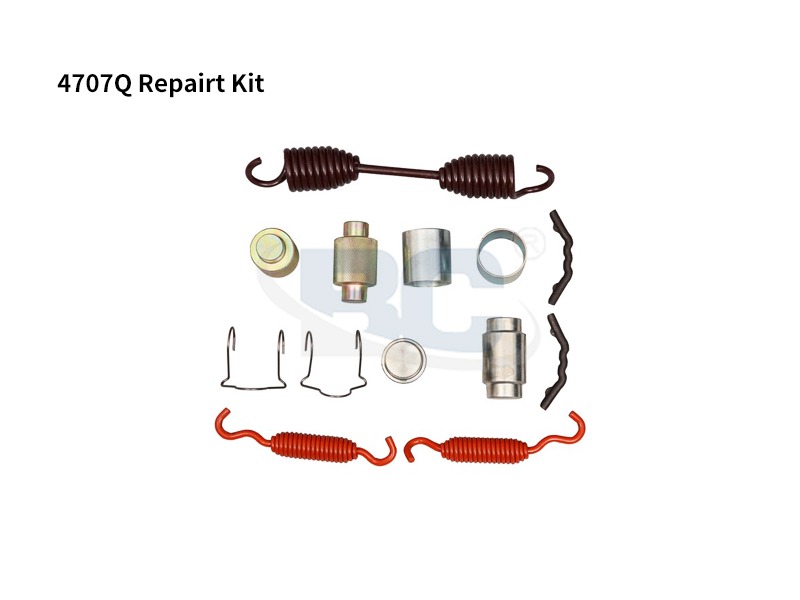
Part Number:4707Q Lined Shoe Kits Product Size:16.5"*7" Number of rivet holes:32...
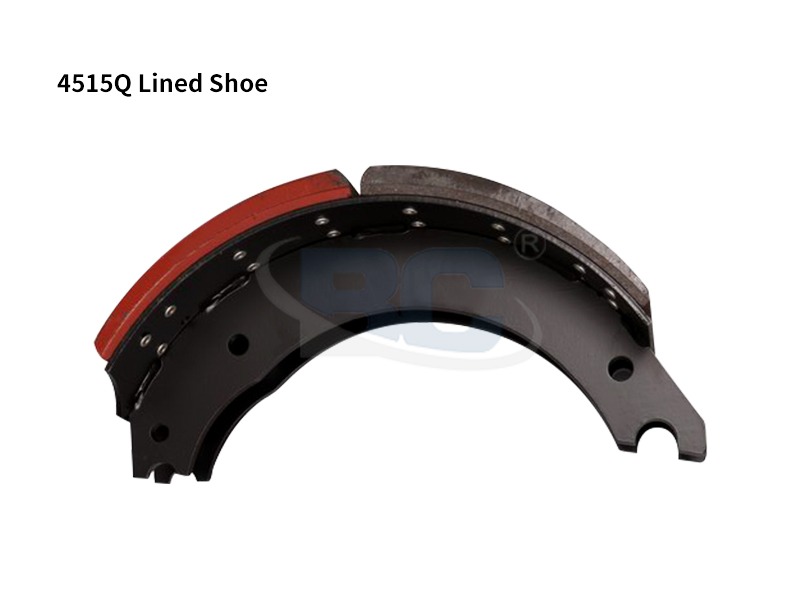
Part Number:4515Q Product Size:16.5"*7"mm Number of rivet holes:32 Product OE nu...
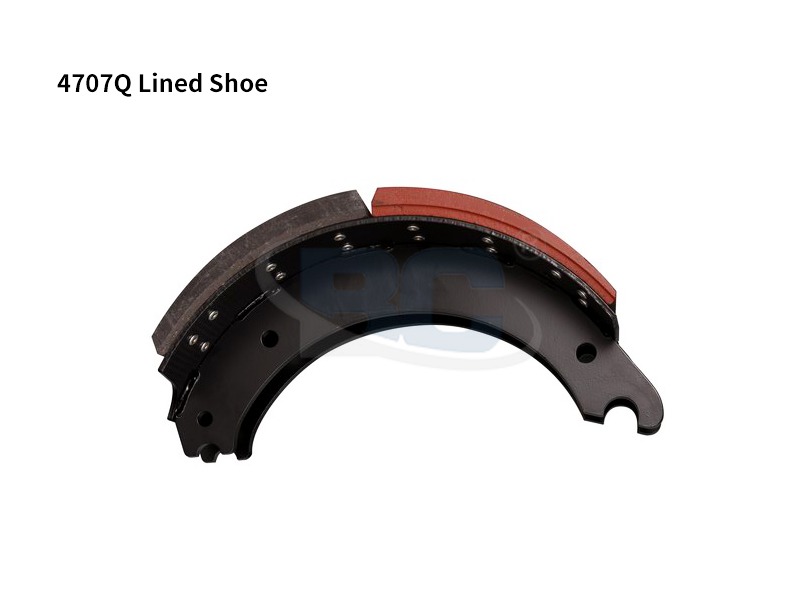
Part Number:4707Q Product Size:16.5"*7"mm Number of rivet holes:32 Product OE nu...
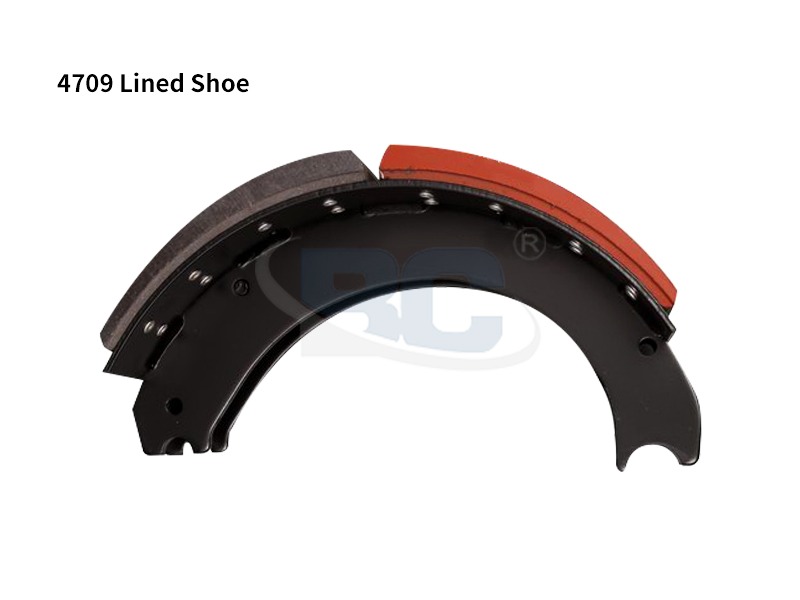
Part Number: Product Size: Number of rivet holes: Product OE number:
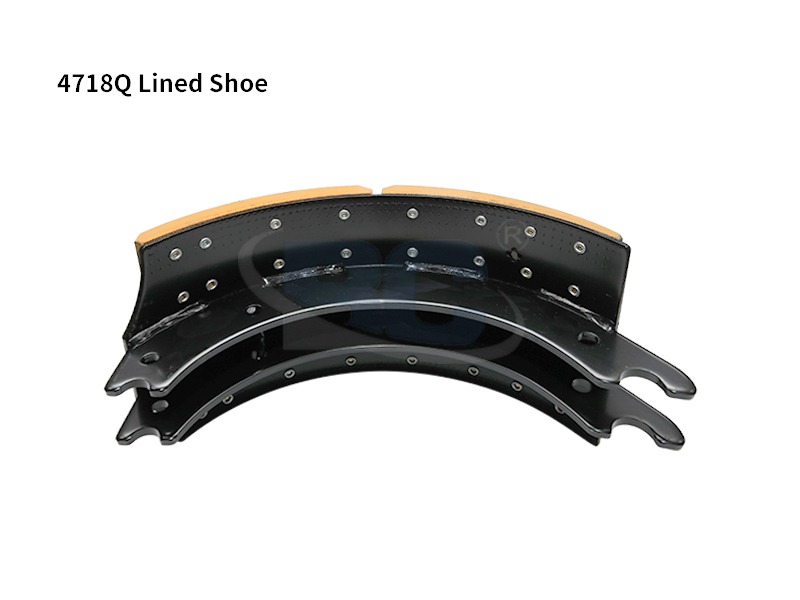
Part Number:4718Q Lined Shoe Product Size:16.5"*8" Number of rivet holes:32 Prod...
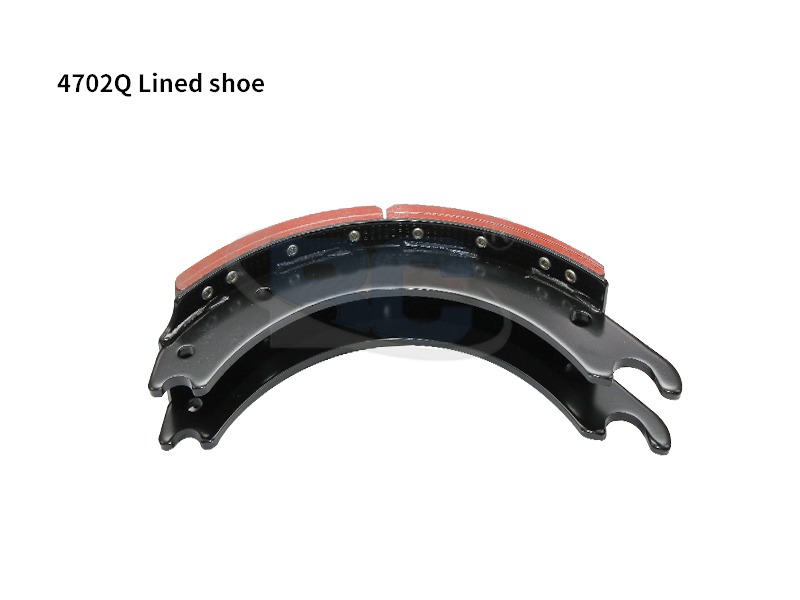
Part Number:4702Q Lined shoe Product Size:15"*4" Number of rivet holes:16 Produc...
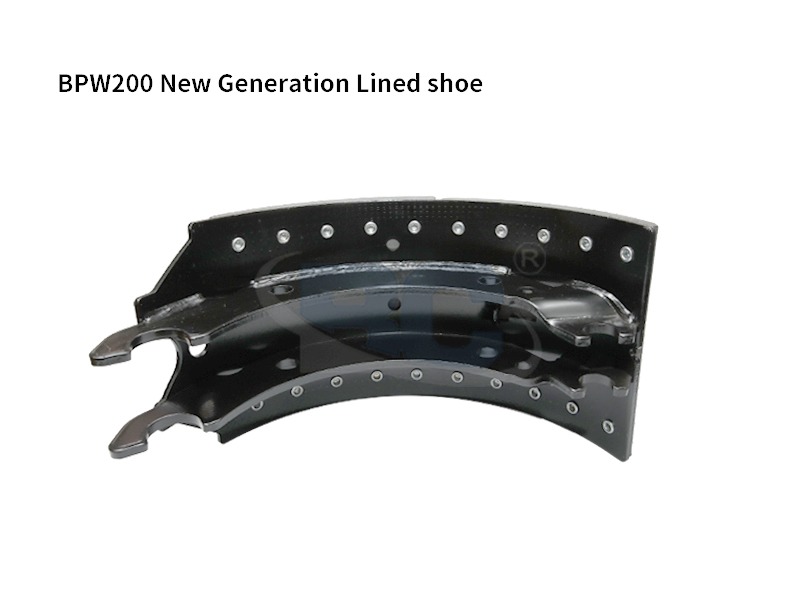
Part Number:BPW200 New Generation Lined shoe Product Size:420*200mm Number of ri...
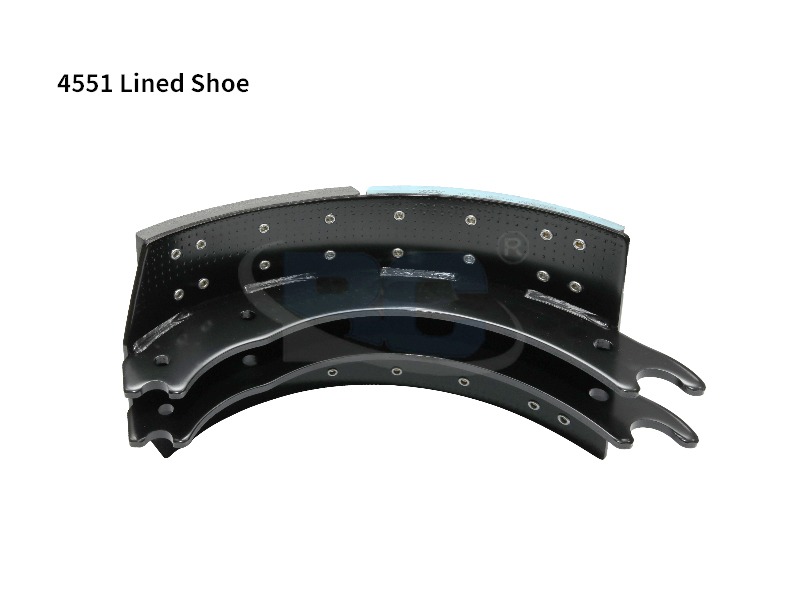
Part Number:4551 Product Size:16.5"*8.625" Number of rivet holes:32 Product OE n...
ZHEJIANG BANGCHI AUTO PARTS CO.,LTD IS AN EXPERT IN AUTO PARTS MANUFACTURING INDUSTRY
ZHEJIANG BANGCHI AUTO PARTS CO.,LTD IS AN EXPERT IN AUTO PARTS MANUFACTURING INDUSTRY
As a Brake Shoe And Brake Lining Suppliers, we match product configuration to the application, operating limits, interfaces and acceptance criteria defined for each project.
Zhejiang Bangchi Auto Parts Co., Ltd. is a professional manufacturer and supplier of heavy-duty brake shoes and lined shoes for commercial vehicles. Founded in 2016, our team brings over 20 years of experience in the brake products industry. We operate a production line with an annual capacity of 2 million brake shoes and follow the IATF 16949 quality system to ensure consistent, reliable products.
Our range includes steel brake shoes, casted brake shoes, brake linings, lined brake shoes, and repair kits, all designed to meet OEM standards and the FMSI part numbering system. Whether you need replacement parts for a fleet or components for OEM assembly, we provide engineering support and customization to match your application.
We supply a complete line of brake components for trucks, trailers, and buses. Each product type serves a specific role in the braking system:
Our products are used in drum brake systems across commercial vehicles, from light trucks to heavy tractor-trailers. We also offer custom designs based on drawings or samples.
Selecting the right brake shoe or lining depends on vehicle weight, operating conditions, and regulatory requirements. For example, casted shoes are preferred for applications with frequent heavy braking, such as mining or construction, due to their thermal capacity. Steel shoes are lighter and more cost-effective for general freight.
Brake linings must match the shoe profile and drum diameter. We offer linings in various thicknesses and widths, with friction coefficients optimized for stability across temperature ranges. Our friction materials are designed to minimize fade and provide consistent braking, meeting standards like FMVSS 121 and ECE R13.
| Product Type | Typical Application | Key Advantage |
|---|---|---|
| Steel Brake Shoe | Highway trucks, trailers | High strength, precise fit |
| Casted Brake Shoe | Off-road, heavy-load | Heat resistance, noise reduction |
| Brake Lining | Replacement friction material | Customizable friction levels |
| Lined Brake Shoe | Quick installation | Factory-assembled accuracy |
We manufacture brake shoes with precise dimensions, including web thickness, arc radius, and rivet hole patterns. Our quality system under IATF 16949 ensures traceability and consistency. Each batch undergoes dimensional inspection and, where applicable, friction performance testing.
For steel shoes, we use materials like SPHC or SPCC, with web thickness typically between 5-7 mm for heavy-duty applications. Casted shoes are made from gray cast iron grades with high compressive strength. We also offer surface treatments like painting or phosphating for corrosion resistance.
Our factory is equipped with laboratory apparatus for material analysis and product testing. We can provide certificates of conformity and test reports upon request.
We understand that every vehicle may have unique requirements. Our R&D team can develop products according to your drawings or samples. Customization options include:
We also offer private labeling and can work with you to meet OEM part numbers.
Our lined brake shoes are ready to install, reducing downtime. For repair kits, we provide all necessary components. We offer technical support to ensure correct installation and maintenance practices, helping you extend the life of your brake system.
Proper adjustment of slack adjusters and regular inspection of lining thickness are critical. We can provide guidance based on your vehicle's operating conditions.
To prepare an accurate quotation and configuration, we need the following details:
With this information, we can recommend the right product and provide samples for validation.
A: Steel shoes are lighter and more ductile, suitable for most applications. Casted shoes offer better heat dissipation and damping, making them ideal for severe-duty use where temperatures are high.
A: Yes, we can develop linings with different friction coefficients and materials to match your performance needs, such as low noise or high durability.
A: We can provide samples for qualified customers. Please contact us with your requirements to arrange sample shipment.
A: MOQ varies by product. For standard items, we can accommodate small orders for testing, but for production, larger quantities are preferred to optimize cost.
A: We follow IATF 16949 quality management and conduct inspections at each stage. Our factory has testing equipment to verify dimensions and performance.

QR
Copyright © Zhejiang Bangchi Auto Parts Co., Ltd. All Rights Reserved
Wholesale Brake Shoe And Brake Lining Suppliers
